'Like an explosion of the Sun': Citi warned of a possible surge in oil prices to $200
It is not too late to prepare for an unprecedented rise in oil prices, analysts say

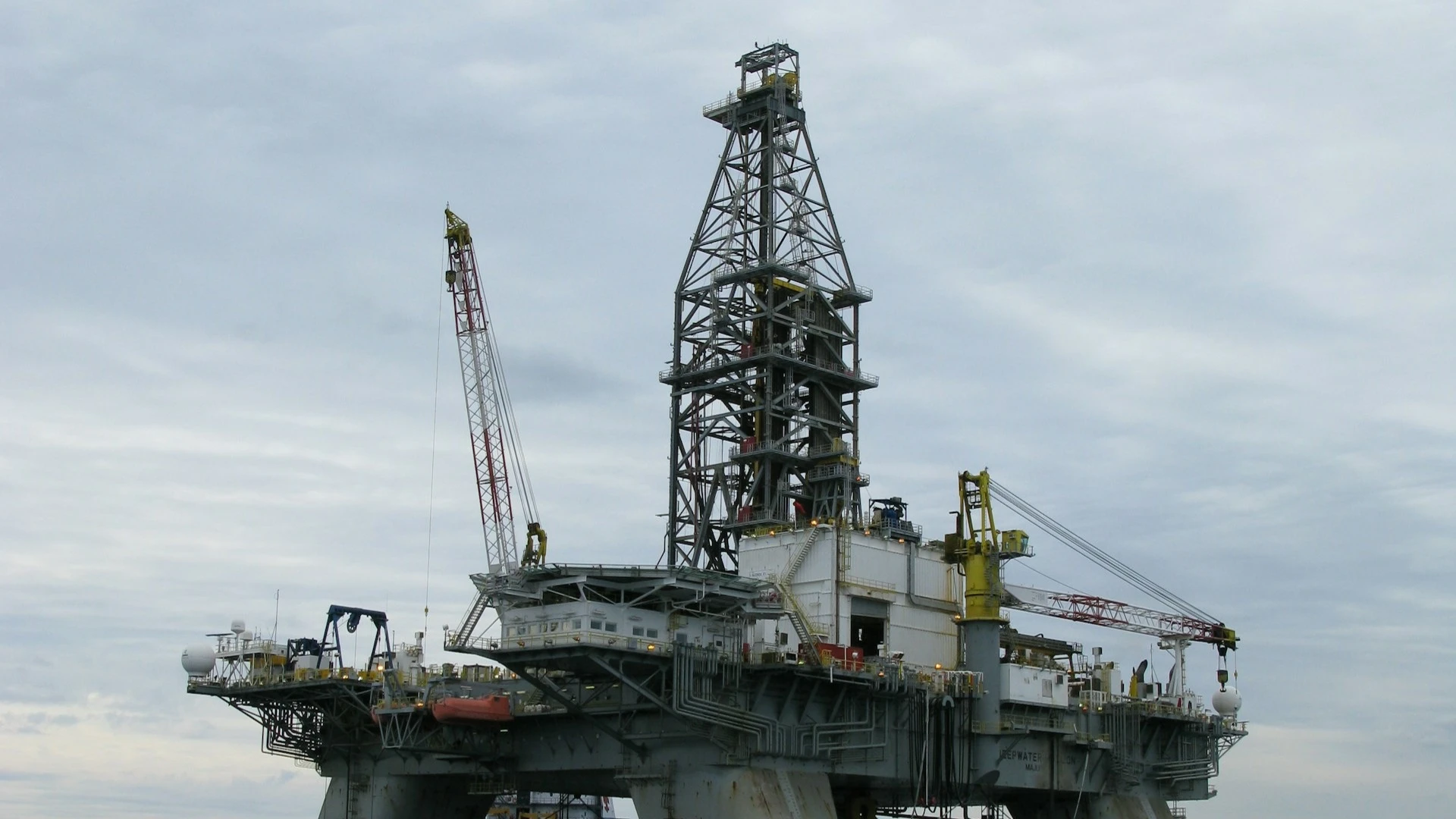
Oil may soar to $200: Citi warns of the risk of a large-scale market shock / Photo: Unsplash / NOAA
Brent oil may rise to $120 per barrel in the next month, and with further supply disruptions until June - up to $200 per barrel, according to Citigroup. The main reason is disruptions in the supply of 13.5 million barrels of oil per day due to the blockage of the Strait of Hormuz.
Details
The world market is now short about 13.5 million barrels of oil per day, which is equivalent to about 400 million barrels per month, Citi strategists led by Maximilian Leighton note. They estimate that the scale of the shock exceeds the oil crises of the 1970s as a share of supply.
"This is such a major disruption that it must inevitably be addressed - either militarily or diplomatically - by mid- to late April," MarketWatch quoted the bank's analysts as saying in a report on the outlook for the global commodities market.
Against the backdrop of the ongoing conflict in the baseline scenario, the bank's analysts expect Brent oil prices to rise to at least $120 per barrel over the next month. At the same time, the sharpest jump is possible in case of a prolonged disruption in energy supplies: if the blockage of the Strait of Hormuz continues until the end of June, oil quotations may reach about $200 per barrel "in aggregate" - taking into account the cost of crude oil, as well as premiums on petroleum products.
"We note (with dismay) that it took most risk-sensitive assets more than a month to realize that COVID-19 is bad, and even longer to realize the negative implications of the conflict between Russia and Ukraine," the strategists said. One of the bank's clients, the analysts added in the report, compared the current supply shock to an "explosion of the Sun": in such a case, there would still be apparent calm on Earth for about eight minutes - until light reaches the planet.
What else Citi predicts
At the same time, this scenario is not the only one: Citi estimates the probability of a quick peace agreement between the US and Iran at 20%. If supplies through the Strait of Hormuz are restored, Brent oil prices could fall to $65-70 per barrel by the end of the year, analysts believe.
At the same time, Citi believes that it is not too late to hedge the risks of rising global inflation through commodity assets: the Bloomberg Commodity Index (which includes contracts on energy resources, precious and industrial metals, as well as agricultural products) has grown by only about 10% since the beginning of the conflict.
In trading on March 24, Brent crude oil rose 4% to $104.3 per barrel, while April WTI futures rose almost 5% to $92.6.
The bank's analysts also pay attention to other opportunities in commodity markets. With regard to gold, strategists emphasize that the key question is not "whether to buy the metal", but "when to do so". "One would expect the prospect of the biggest inflationary shock in 50 years to drive gold prices higher," they note. If the conflict in the Middle East ends within the next 4-6 weeks, a stock market bottom could be a buy signal. If the war drags on, the benchmark could be a decline in real interest rates or a technical reversal in the dynamics of gold.
What other analysts are saying
Goldman Sachs analysts agree that in the near future oil prices may reach record highs and beat them - according to their estimates, the mark of $147 per barrel Brent will be able to beat if oil supplies through the Strait of Hormuz will remain at 5% of the pre-war volume for 10 weeks. In the toughest scenario, Brent could jump to $135 by the end of the year, Goldman Sachs warned.
It will take several quarters for oil prices to return to $70-$80 per barrel - even in the case of a diplomatic solution to the conflict in the Middle East, Seeking Alpha quotes Aditya Sarawat, head of research at Rystad Energy, as saying. In his opinion, due to operational difficulties (operators in the Persian Gulf countries will need two to four weeks to resume production at the fields), "before resumption of energy trade through the Strait of Hormuz is still several months away".
This article was AI-translated and verified by a human editor