Morning highlights: Brent rises to $112, Fed keeps rate on hold, Micron triples revenue


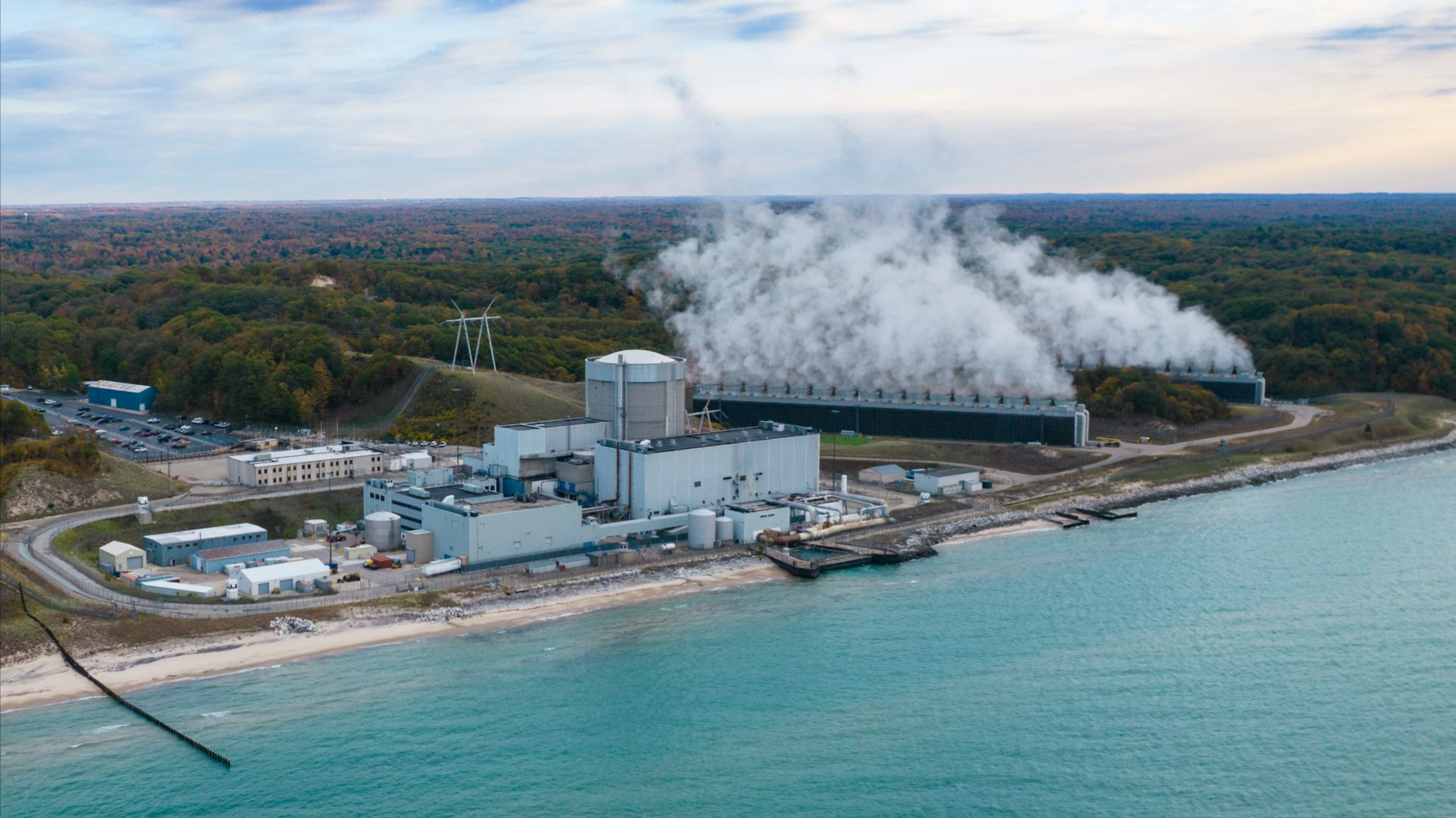
Oil prices soar after new strikes on energy infrastructure in the Middle East / Photo: maxim ibragimov / Shutterstock.com
The Fed kept rates on hold amid persistent inflation, war in the Middle East and political pressure. Escalating conflict sent Brent crude oil prices above $112 per barrel after strikes on key energy infrastructure. These and other topics are covered in our review of key events for the morning of March 19.
Brent rises to $112, Asian markets fall after escalation in the Middle East
The cost of Brent crude oil futures continued to rise in the morning of March 19 after a rally last night due to Iranian strikes on a key LNG plant in Qatar. The price has already exceeded $112 per barrel. North American WTI is trading at around $97.
Asian stock markets reacted to the escalation with a sharp fall: Japan's Nikkei 225 index collapsed by 3.6%, Hong Kong's Hang Seng lost 2%, South Korea's Kospi - almost 3%. Investors fear that the worsening conflict in the Middle East will increase energy shortages and inflationary pressure, Bloomberg writes . At the same time, the markets of Japan and South Korea have suffered the most, as they are focused on technology companies, the agency points out. Futures on U.S. indices slightly decreased, contracts on technological Nasdaq 100 fell by 0.2%.
The plant in Qatar was attacked by Tehran in response to Israeli strikes on Iran's South Pars gas field. US President Donald Trump was quick to say the US had nothing to do with it and promised that the field would not be targeted again. But warned that if Iran strikes Qatari LNG facilities again, the U.S. military will "powerfully blow" South Pars. Trump's comments did not cool oil prices, Bloomberg notes.
Following the strikes on energy infrastructure, Qatar warned of a "dangerous escalation" and Saudi Arabia said it reserved the right to take military action.
Analysts surveyed by CNBC warn that the situation could move from logistical disruptions to a full-blown energy shortage. In case of further escalation - up to attacks outside the region - the market could face a price spike and extreme volatility, as participants would build worst-case scenarios into prices, the channel points out.
Fed keeps rate unchanged amid inflation, war and political pressure
The US Federal Reserve left the key rate at 3.5-3.75%, pointing to stable inflation, uncertainty over the war in the Middle East and mixed signals from the labor market, writes CNBC. At the same time, the regulator still allows for a rate cut in the future, although due to rising oil prices and inflation risks, the market now expects a maximum of one cut this year.
The Fed has revised upward its growth forecast for the US economy for the coming year, but also expects inflation to be higher. The price index of personal consumer expenditures (PCE) will be 2.7%, the Fed believes, but in the coming years, will return closer to the target 2% as the effects of duties and war fade.
The Fed made the rate decision amid pressure from Donald Trump, who demanded a cut, the channel recalls.
Apple ramps up sales in China despite market decline
Sales of iPhones in China rose 23% in the first nine weeks of 2026, while the smartphone market in the country shrank by 4%, Reuters reports. Apple's result was due to discounts, state support for the base model iPhone 17 and the company's ability to keep prices down, while Android competitors began to raise them due to the rising cost of memory chips, the agency explains.
The makers of these processors have to balance margins and demand: players such as OPPO and vivo are already raising prices, while Huawei is gaining an advantage through cheaper local suppliers, Reuters writes.
Micron triples revenue amid AI boom
Memory chip maker Micron nearly tripled its revenue last quarter to $23.9 billion. In addition, the company reported earnings of $12.20 per share, significantly beating market expectations - analysts were expecting $9.31, CNBC reported. Net income rose from $1.58 billion to $13.8 billion, and the margin increased from 36.8% to 74.4%. The company expects about $33.5 billion in revenue and $19.15 earnings per share next quarter, which is also significantly higher than Wall Street forecasts.
The growth was fueled by a surge in demand for AI memory: key chip types (DRAM and NAND) are in short supply, especially as more of these chips are going into expensive HBM modules for Nvidia's AI chips, the channel explains. Cloud segment revenue jumped more than 160%, while client and mobile revenue jumped nearly 250%.
Against that backdrop, Micron warned that it will have to ramp up investment and capacity to meet demand. The company plans to launch new factories in the U.S. by 2027-2028. That somewhat overshadowed the strong report and dropped its shares by 5 percent in the postmarket, Bloomberg noted .
This article was AI-translated and verified by a human editor