Luxury goods retailers spared worst case scenario thanks to U.S.-EU trade deal
Big luxury companies have little room to raise prices after hiking them by 33% on average between 2019 and 2023

Luxury goods makers avoided a worst-case scenario after the U.S. reached a trade deal with the EU and set a 15% duty on imports of European goods, Reuters reported. The U.S. is increasingly becoming a key market for the sector as China loses momentum as a growth engine. However, the new duties threaten profitability: brands will either need to raise prices by 1-2% or absorb a hit to earnings, UBS estimates. Further price increases will not come easily. Luxury prices have already risen by an average of about a third over the past four years, and analysts warn that consumer fatigue could translate into a global sales decline this year.
Details
Luxury companies avoided the most severe outcome following the EU-U.S. trade agreement, but now face a delicate trade-off between offsetting higher duties through price increases and risking additional demand erosion at a time of already-subdued consumption, Reuters writes.
While the base duty came in below the 30% levy that U.S. President Trump had threatened just weeks earlier, it fell well short of the reciprocal zero-duty arrangement Brussels had sought, the news agency noted. The timing is particularly sensitive for the sector, as luxury groups are increasingly reliant on the U.S. market while China, their former growth engine, continues to slow and global sales decline, according to Reuters.
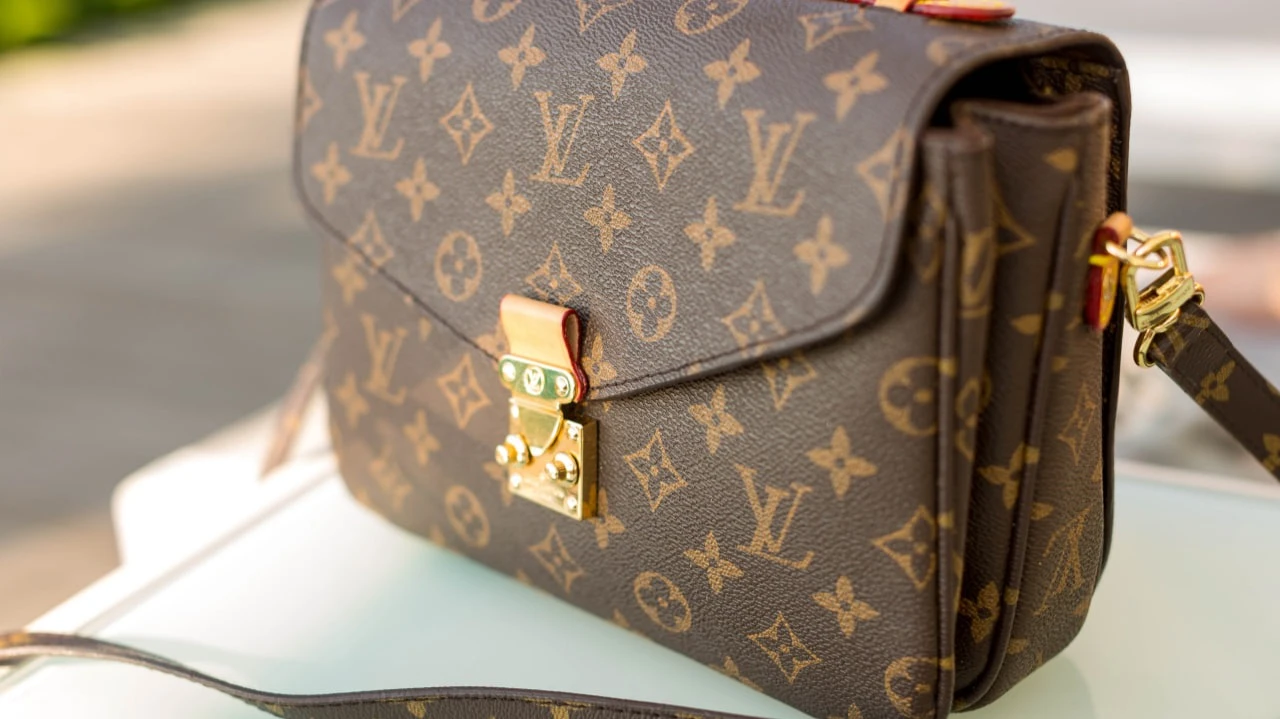
Major brands such as Chanel, as well as Louis Vuitton and Dior, both owned by LVMH, have generated a significant share of recent profit growth through aggressive price increases, Reuters noted. Some luxury goods makers say they can offset the impact of tariffs through pricing. However, analysts and industry executives caution that after a series of sharp hikes, many brands now have limited room to maneuver.
What analysts say
The deal, which imposes a 15% duty on EU exports to the U.S., brings much-needed certainty to luxury’s most important market, said Jacques Roizen, managing director for China at Digital Luxury Group, as cited by Reuters.
UBS estimates that a 15% U.S. duty would require luxury brands to raise prices by about 2% in the U.S. or roughly 1% globally to avoid widening regional price gaps. Failing that, companies would face an earnings before interest and tax impact of around 3%.
Raising prices further will be challenging given weak demand, Reuters wrote, noting that recent earnings reports from luxury groups show little sign of a rebound. According to Roizen, “brands are treading carefully with further price hikes to avoid alienating younger and occasional shoppers.”
“Overall, this is good news, as it additionally eliminates further uncertainty in the broader macro picture,” said Luca Solca of Bernstein, in comments cited by the Wall Street Journal. Analysts say luxury can absorb tariffs more easily than most industries due to high margins, but also say that brands have limited ability to shift production because provenance is a central part of their appeal, the Journal writes.
Brands that got the pricing balance wrong are the ones struggling more today, said Flavio Cereda, who manages GAM's Luxury Brands investment strategy. "The significant deceleration in momentum, uneven as it was, is a natural consequence of a period of excess," said Cereda. By contrast, Hermès, which largely refrained from outsized price increases during the post-pandemic boom, has outperformed peers. Analysts expect Hermès’ sales to rise by about 10% in the second quarter, with results due on Wednesday, July 30, Reuters added.
Context
Luxury groups benefited from a post-pandemic rebound in demand, with analysts at RBC estimating that prices rose an average of 33% between 2019 and 2023. UBS calculates that the price of Chanel’s classic quilted flap bag more than tripled between 2015 and 2024, while the Lady Dior bag and Louis Vuitton Keepall travel bag more than doubled.
Over the past four years, a gap has emerged between the prices of certain luxury goods and their perceived quality and creativity, said Caroline Reyl, head of premium brands at Pictet Asset Management.
According to consultancy Bain, the luxury industry lost 50 million customers last year as economic pressure and price fatigue weighed on demand for designer apparel and accessories. Bain forecasts global luxury sales will fall 2-5% in 2025, following a 1% decline in 2024, marking the sector’s largest contraction in 15 years outside of the pandemic period, Reuters noted.