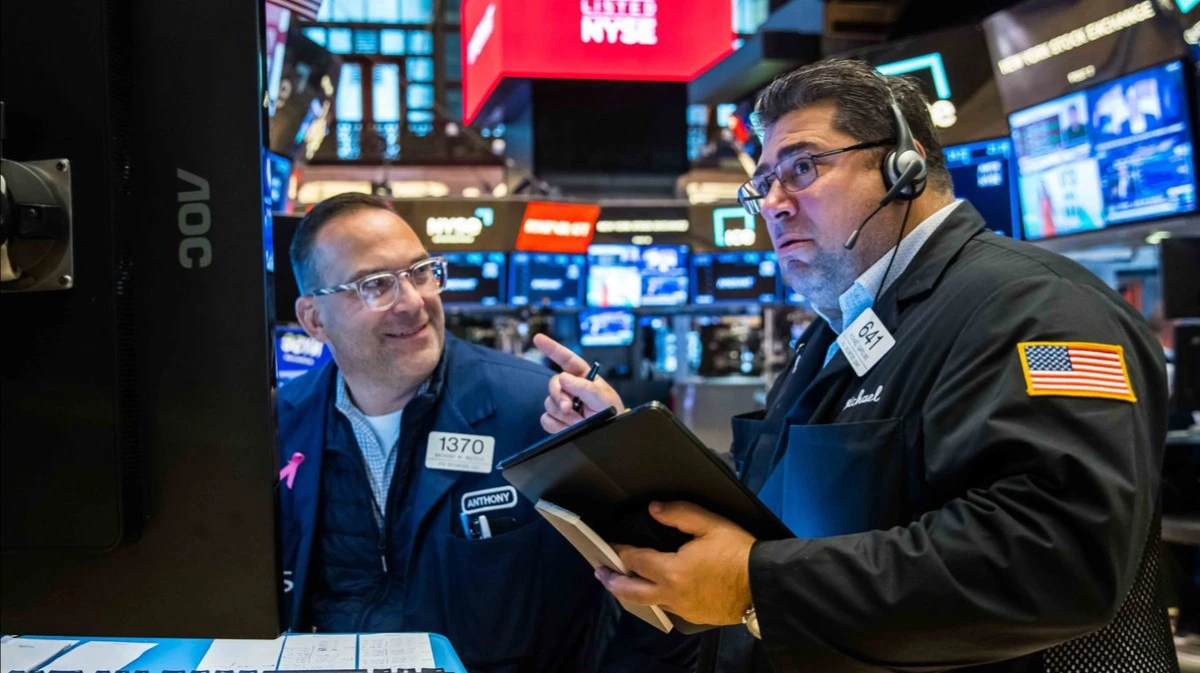
Morning in New York: "bears" remain in the majority

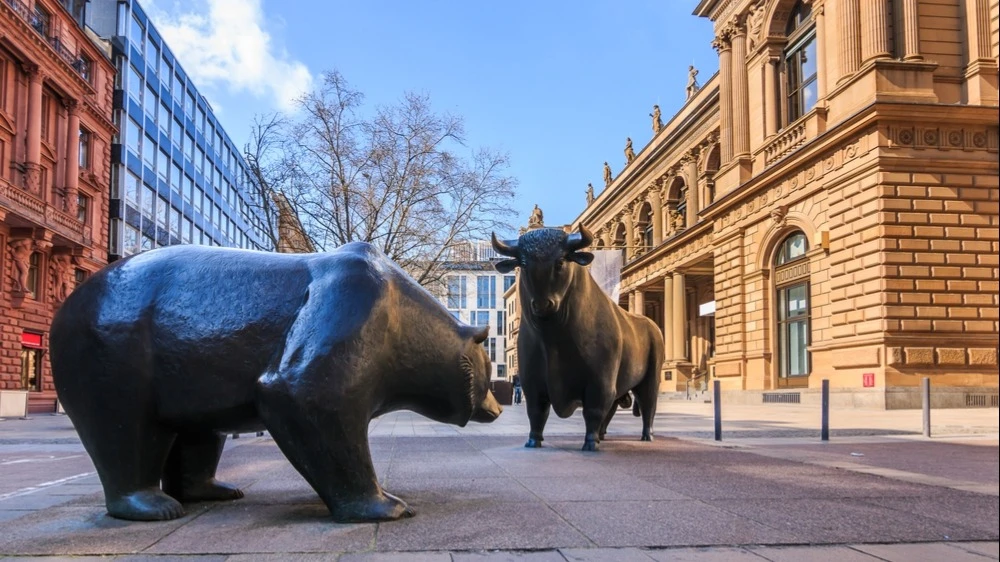
The situation in the Middle East, which deteriorated significantly over the weekend, will continue to determine movements on US stock markets / Photo: Marco Ritzki / Shutterstock
Daily review and forecast of events on the U.S. stock market from Mikhail Denislamov, Deputy Director of Freedom Capital Markets Research.
We expect
The situation in the Middle East, which deteriorated significantly over the weekend, will continue to determine the movements on the US stock markets at the beginning of the new week. U.S. President Donald Trump gave Iran an ultimatum, demanding to fully open the Strait of Hormuz for shipping by the evening of Monday, March 23, threatening to strike Iranian power plants in case of refusal. Tehran, in turn, said that if these threats are realized, it will completely close the strait and attack energy facilities, IT infrastructure and water supply systems of the countries where U.S. troops are stationed. The speaker of the Iranian parliament separately warned that holders of U.S. Treasury bonds could also be targeted.
Israeli Defense Minister Yisrael Katz announced a plan to intensify strikes against Iran in the coming week, and Israeli Chief of General Staff Eyal Zamir suggested that the conflict has reached its midpoint in terms of duration. In parallel, the White House has begun preliminary discussions on the next phase of military action and the possible contours of peace talks. At the same time, bets on Polymarket estimate the likelihood of a truce by the end of April at only 39%.
Saudi Arabia is allowing oil prices to rise above $180 a barrel if supply disruptions persist over the next month. Qatar, which provides a fifth of the world's LNG exports, stopped shipments after the blockade of the Strait of Hormuz, and an Iranian missile strike on the Ras Laffan plant caused significant damage to the LNG terminal, triggering a surge in gas prices in Asia and Europe. Over the next ten days, tankers carrying LNG from the Persian Gulf that left before the Hormuz shutdown will reach their destinations. Importers will then be faced with having to find alternative sources at multiplied prices. Kuwait has already shut down the Mina al-Ahmadi refinery after the Iranian strikes. UAE and Saudi air defense systems had intercepted missiles during the previous night.
On the macroeconomic calendar, the CFNAI Business Activity Index for February (January: 0.18 points) and construction spending data for January (consensus: +0.1%, December: +0.3%) will be released today. Both publications are of a secondary nature and are unlikely to have a noticeable impact on investor sentiment.
Futures on American stock indices demonstrate negative dynamics. Trading is likely to open with a gap down. We assess the balance of risks for the upcoming session as negative with increased volatility. Reference points regarding the Fed rate adjustment are becoming more and more restrained, which puts additional pressure on the valuations of risky assets.
In sight
- According to Reuters, the Maven artificial intelligence system from Palantir Technologies (PLTR) will become an official Pentagon program with guaranteed long-term funding. Deputy Defense Secretary Steve Feinberg noted that the platform is already being used for strikes against Iran during the current conflict, and will be integrated into all branches of the military in the future. The decision solidifies Palantir's position as a key supplier of AI technology to the U.S. military and ensures a steady stream of contracts for years to come.
- United Airlines (UAL) shares are losing about 1.7% before the opening of main trading. The carrier's CEO Scott Kirby announced a 5 p.p. reduction in the number of scheduled flights this year amid preparations for a prolonged period of high jet fuel prices. The management forecasts oil prices to rise to $175 per barrel and remain above $100 until the end of 2027. In this case, annual fuel costs will increase by $11 billion. At the same time, Kirby emphasized that the airline will continue to implement its long-term development strategy and expand its fleet this year by about 120 aircraft.
- Activist fund Elliott Investment Management has built a multi-billion dollar position in Synopsys (SNPS), driving its stock price up more than 2%. The fund's managing partner Jesse Cohn called Synopsys an indispensable link in the global semiconductor industry, pointing to the company's unique position as a beneficiary of increasing chip complexity amid the rise of AI.
- Strategic changes at OpenAI continue to attract investors' attention ahead of a possible IPO. According to the Financial Times, by the end of the year the company plans to almost double its staff to about 8,000, expanding its product development, sales and implementation teams.
- Tencent (0700.HK) has unveiled ClawBot, a tool that integrates messenger WeChat with the OpenClaw platform, an open source AI agent rapidly gaining popularity. The tool will appear as a contact within WeChat, allowing the app's more than one billion users to interact with the AI agent directly through the messenger. The launch comes amid growing competition among Chinese tech giants for dominance in the segment.
The market on the eve of
March 20 trading on the U.S. stock exchanges was held in the mode of large-scale sell-off. As a result, S&P 500 lost 1.51%, NASDAQ 100 fell by 1.88%, Dow Jones fell by 0.96%, Russell 2000 fell by 2.26%.
The shares of the "Magnificent Seven" ended the session in the negative. The most actively corrected securities were NVIDIA (NVDA: -3.28%) and Tesla (TSLA: -3.25%).
Utility providers (XLU: -4.06%) and representatives of the real estate industry (XLRE: -3.77%), which suffered from a sharp rise in Treasury yields, were the leaders of the decline in the broad market. The only sector that ended the day in the plus was financials (XLF: +0.18%).
The correction was caused by the mass return to the exit from risky assets on the background of aggravation of geopolitical situation. The rebound attempt made in the previous trading days did not develop.
Reports that the White House was considering occupying Iran's Kharq Island and sending more troops to the region reversed hints of de-escalation from the previous day.
Treasury yields at the long end of the curve soared by 12-16 bps amid market concerns about central bank tightening and increased inflationary pressure from energy.
Gold ended the week with the maximum collapse by 9.6% since 2011, silver collapsed by 14.4%. WTI oil rose by 2.8% during the session after Iraq announced force majeure at all foreign oil fields, but the price corrected downward at the end of the week.
Fed Vice Chair Michelle Bowman said she still forecast three rate cuts this year, adding that Kevin Warsh, if confirmed as head of the regulator, would have a significant impact on its policy. Board of Governors member Christopher Waller said he was prepared to support a rate hike before the jump in energy prices, but emphasized that a cautious stance did not mean keeping the rate unchanged until the end of the year. The positioning data captures the decline in risk appetite.
Company News
- The co-founder of Super Micro Computer (SMCI: -33.3% at the close of trading on March 20) and two other individuals have been accused by U.S. authorities of illegally diverting billions of dollars worth of NVIDIA chip-based servers to China. The company emphasized that the defendants' actions were contrary to internal policy and noted that it was not named as a defendant. Nevertheless, the scale of the accusations provoked a collapse of SMCI quotations.
- Nexstar Media Group (NXST: +1.7%) has completed its $6.2 billion acquisition of Tegna after receiving approval from the Federal Communications Commission (FCC). The merger will significantly expand the company's audience reach and advertising potential.
- Investment fund Trian Partners released an investor presentation detailing its criticism of Victory Capital' s takeover offer for Janus Henderson (JHG: -1.8%), confirming its own offer of $49 per share all-cash. Earlier, Morgan Stanley and Citi's asset management units warned that the Victory deal could lead to a mass exodus of portfolio managers.
- Box (BOX: +3.3%) announced an additional $500 million share repurchase program. Management's decision signals confidence in cash flow generation and underscores its commitment to its strategy of returning capital to shareholders.
- Scholastic's (SCHL: +8.8%) quarterly earnings beat expectations with revenues in line with consensus. Management noted the strong performance of the book fairs segment and the progress in the transformation of the education business. The company's own full-year revenue guidance was above average market forecasts.
This article was AI-translated and verified by a human editor