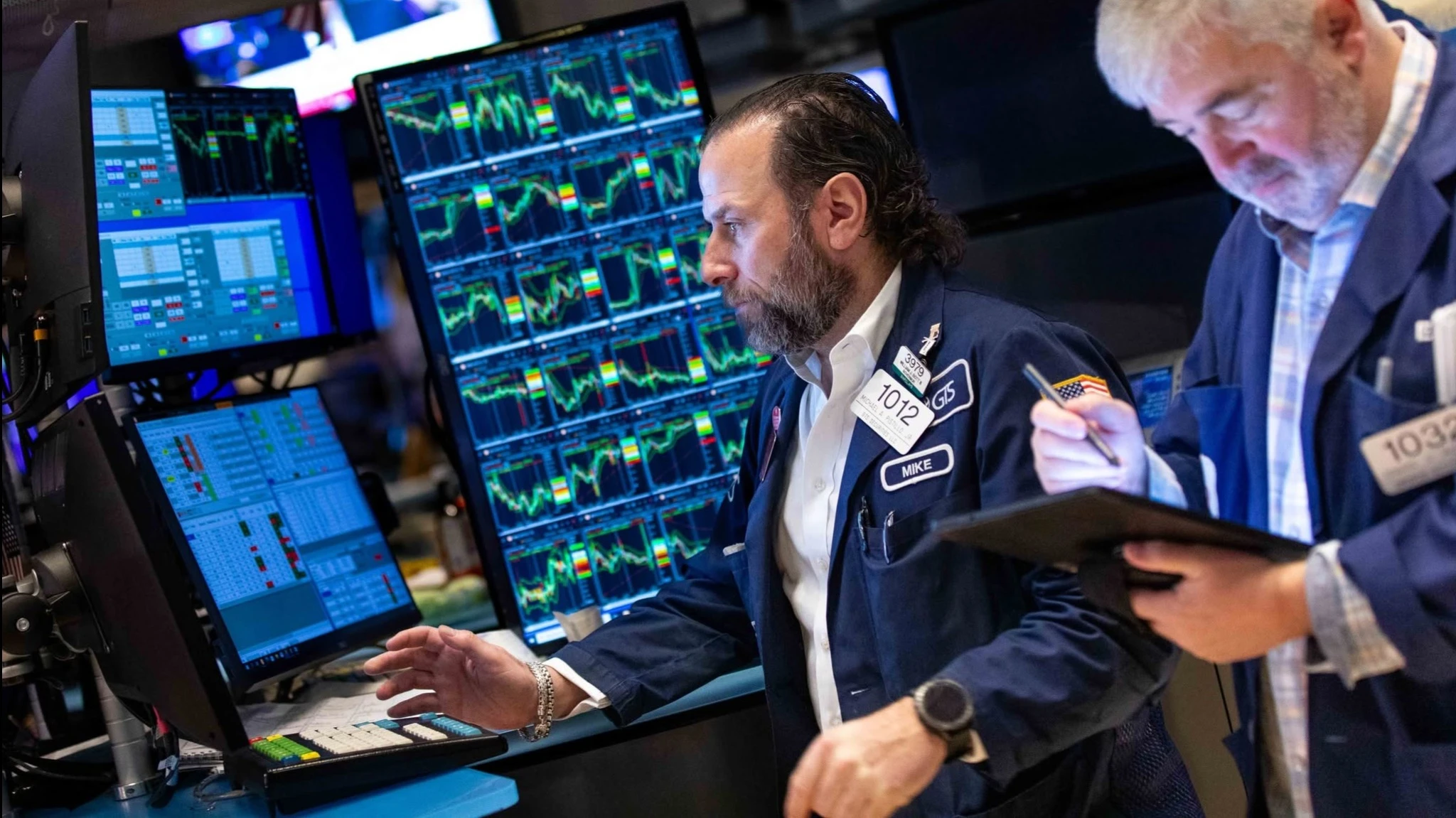
Nasdaq up more than 2%: Nvidia and labor market stats set off rally


All three major U.S. stock indices rose sharply in early trading on Nov. 20 after a successful report from global AI market leader Nvidia and unexpectedly better-than-expected U.S. jobs data for September.
Details
- The Nasdaq Composite index, heavily weighted toward technology companies, jumped 2% just after the New York stock exchanges opened.
- The main U.S. index S&P 500 added about 1.6%. If this pace continues until the close, the index will show the strongest jump in almost six months, Bloomberg writes.
- The Dow Jones blue-chip index was up 1%.
- Nvidia shares were up 4.5% in early trading.
- Yields on two-year U.S. Treasury bonds were down to 3.58% and 10-year bonds were down to 4.12%, Barron's reports.
- The CBOE Volatility Index (VIX), known as Wall Street's "fear index," fell below a key 20-point level, indicating that volatility in the market has declined.
What the analysts are saying
Optimism around the prospects for artificial intelligence technology, which has fueled bullish sentiment, outweighed worries about waning hopes for a Fed rate cut at its December meeting, Bloomberg notes.
"The double whammy of excellent Nvidia reporting and better-than-expected jobs data should give the market a boost, given that it directly responds to the bears' two main causes for concern: the AI bubble and a moribund economy," Northlight Asset Management investment director Chris Zaccarelli wrote in a Bloomberg statement.
"It's been many decades since a single stock could move the market like Nvidia does. But it's a nearly $5 trillion giant that represents 8% of the S&P 500, and the company actually beat expectations yesterday on revenue, earnings and guidance. The results put an end to the growth concerns of the past few weeks," wrote Rosenberg Research analyst David Rosenberg, as quoted by Barron's.
Now is not the time to bet against the biggest U.S. tech companies, even as warnings grow about a possible bubble around artificial intelligence, says renowned short-seller and head of Muddy Waters Capital Carson Block. He told Bloomberg Television. "In this market, I would be much more willing to take long positions than short," Block said, "If you're trying to short Nvidia or any other major tech companies, you're not going to last long in this business.
"Thursday's jobs report suggests the labor market is not as weak as feared. The AI story remains valid. The stock market experienced a small correction in early November, which only increases the likelihood of a rally in December," said Alexander Giuliano of Resonate Wealth Partners as quoted by Bloomberg.
Context
Nvidia on November 19 reported revenue and profit last quarter, which exceeded Wall Street forecasts, and also shared a stronger forecast for the current quarter than analysts expected. Thus, sales of the chipmaker added 65% and reached a record $57.01 billion. In the current quarter, Nvidia expects its revenue to reach $65 billion plus or minus 2%. Even the lower end of the range was better than analysts had hoped, CNBC wrote.
Before the market opened on November 20, the U.S. Bureau of Labor Statistics (BLS) reported a gain of 119,000 jobs outside of agriculture. This beat all 67 forecasts that Bloomberg had compiled before the statistics were released. Traders have since slightly increased their estimates of the likelihood of a rate cut in December, the CME FedWatch tool shows, although they are now only 35.6%.
According to Ken Hague of Goldman Sachs Asset Management, a rate cut in December is still possible, given the continued weakness in the labor market, as evidenced by the unemployment rate. His opinion is reported by Bloomberg. David Russell from TradeStation, on the other hand, believes that the data on jobless claims for November reflects the good state of the labor market, which means that the Fed will have little reason to cut rates next month.
This article was AI-translated and verified by a human editor