'Neoclouds are all in big trouble': Steve Eisman shares thoughts on Nvidia turmoil

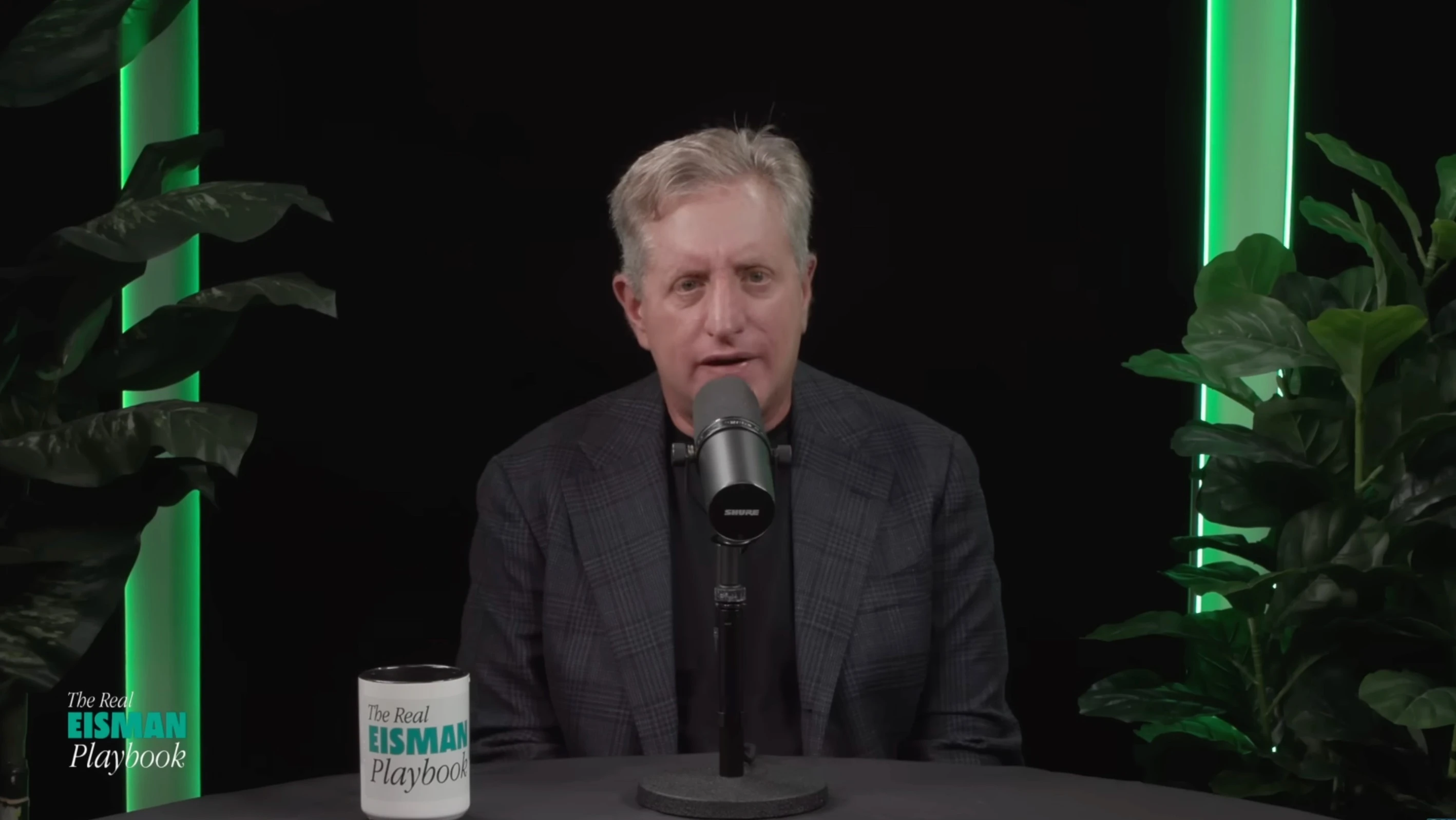
Screenshot: Steve Eisman / YouTube
Neoclouds, companies that rent out computing power for AI, stand to be the biggest losers from the Nvidia scandal as it continues to roil markets, investor Steve Eisman told CNBC. Eisman is known for correctly predicting the 2008 housing crisis.
Nvidia was essentially a “virtual vertical holding company and it’s unwinding,” Eisman argues. “I think neoclouds are all in big trouble though because they are part of that vertical holding company and I think they’re about to get ejected.”
Neoclouds use debt to build data centers that handle AI workloads. Shares of CoreWeave and Nebius have each fallen more than 50% over the last three months. CNBC also reported that investors are worried Nvidia could scale back its financing of the AI industry as scrutiny of its revenue in China intensifies.
Worries beyond Nvidia
Another source of uncertainty is AI model developer Anthropic’s expected market debut on Thursday, as doubts linger over its ability to turn a profit. Eisman said the IPO matters less to the AI sector now that market expectations have come down. “I don’t think anybody really cares,” he said. His focus has shifted to how much Democrats will restrict data center construction when they take control of the U.S. Congress in January. “I think the biggest issues by far are how much are, how much are local and state governments going to slow AI data center construction? Is it going to be 100% moratorium? That would obviously be, that would put the country into recession overnight. Or is it something like 10% to 30%?” Eisman asked.
If data center construction slows by 10-30%, Eisman expects hyperscalers to fare best among AI-related companies. “The group that makes out the best are the hyperscalers because they go cash flow positive again,” he said.
Context
Pressure on neoclouds has been building for weeks. Quarterly earnings reports from CoreWeave and Nebius triggered sharp double-digit swings in their stocks, and analysts are debating whether the companies can turn demand for computing power into sustainable profits in time. CoreWeave’s order book grew to $132.5 billion by the end of September, but the company still needs substantial additional capital to build data centers. Some of the revenue Nebius expected in December will come in only in 2027, and the management now expects full-year revenue to come in at the low end of its guidance.