Nintendo's memory chip problems are a wake-up call for Apple. What's the risk to the stock
Most Wall Street analysts advise buying Apple shares despite modest upside potential

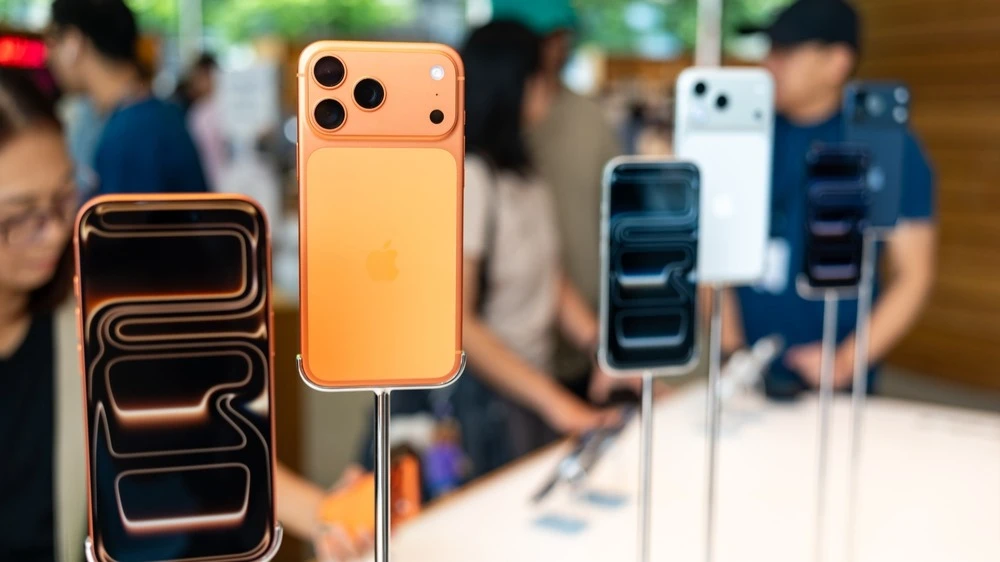
The iPhone's price restraint helped Apple beat Wall Street forecasts for sales in the key Chinese market / Photo: Wongsakorn 2468/Shutterstock.com
The sharp rise in the price of memory chips due to the boom in artificial intelligence has put Apple in a difficult strategic choice. In the fall , new CEO John Ternus will have to decide whether to raise prices for the future iPhone 18 line, scaring off buyers, or sacrifice margins, risking disappointing investors. The rehearsal of the negative scenario on the stock exchange was the situation with Nintendo: the Japanese brand of game consoles was forced to raise prices precisely because of the cost of components, but this led to a revision of sales forecasts and collapsed its quotations.
What's the risk to Apple
Already in the second half of this year, Apple's margins may be under severe pressure, as memory accounts for 10% to 15% of the cost of each smartphone, writes Barron's. If components continue to rise in price, the iPhone maker risks finding itself in a desperate situation and will be forced to take unpopular measures - like Nintendo, the publication points out.
Any of these steps is fraught with financial losses, as so far the containment of iPhone prices has ensured Apple's success in the market. According to Counterpoint Research, keeping the cost of smartphones unchanged has allowed the corporation to maintain strong demand in China. Apple's sales in the Greater China region, which includes China, reached $20.5 billion last fiscal quarter, exceeding Wall Street's expectations. Expanding market share is critical for the U.S. company: new users enter its ecosystem and start spending money on high-margin services like the App Store and Apple Music, Barron's states.
Colossal demand for components for artificial intelligence servers is pushing up prices across the hardware industry. In the first quarter of 2026, the cost of memory chips nearly doubled, Barron's notes. Apple's still-former CEO Tim Cook explicitly warned of this threat in a conference call with investors in April. "I can tell you that after the quarter that ends in June, memory costs we believe will have an increasing impact on our business," he stated.
What happened to Nintendo
At the end of last week, Nintendo became a victim of this trend. On Friday, Ma. 8, the market leader in handheld game consoles announced a price increase for its new Switch 2. Nintendo also announced that it expects to sell 16.5 million consoles in the current fiscal year, compared to 19.9 million units in the last reporting period, which ended in March.
Benchmark Research analyst Mike Hickey attributed the company's decision to its desire to offset rising costs, including higher duties and component prices, primarily for memory chips. Investors reacted with a sell-off, with Nintendo shares plummeting 8% in Tokyo on Monday, May 11. On Tuesday, Ma. 12, they were up about 1.7%.
What Wall Street thinks of Apple stock
Over the last three months, the consensus rating of analysts on Apple has not changed: the majority of them maintain an optimistic view on the company's securities. According to FactSet, 36 experts now recommend buying Apple shares (Buy and Overweight ratings), 14 recommend holding (Hold), and only two recommend selling (Sell). The average target price of $310 per share calculated by the service suggests a potential upside of 6% from the current level.
This article was AI-translated and verified by a human editor