Nvidia CEO Jensen Huang was a last-minute addition to Trump's delegation to China
Quotes of the AI chip market leader jumped more than 2%

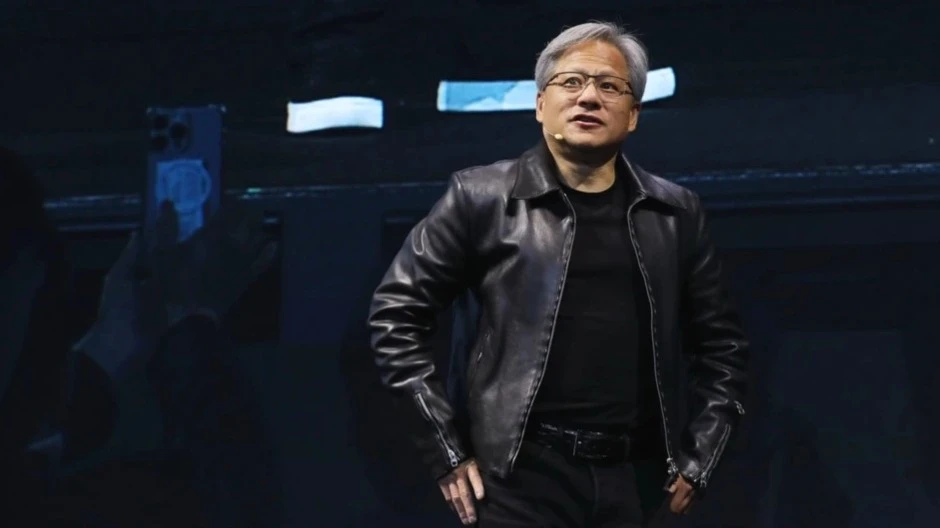
Nvidia CEO Jensen Huang has flown to China multiple times over the past year and a half in an attempt to get its chips resumed / Photo: glen photo/Shutterstock.com
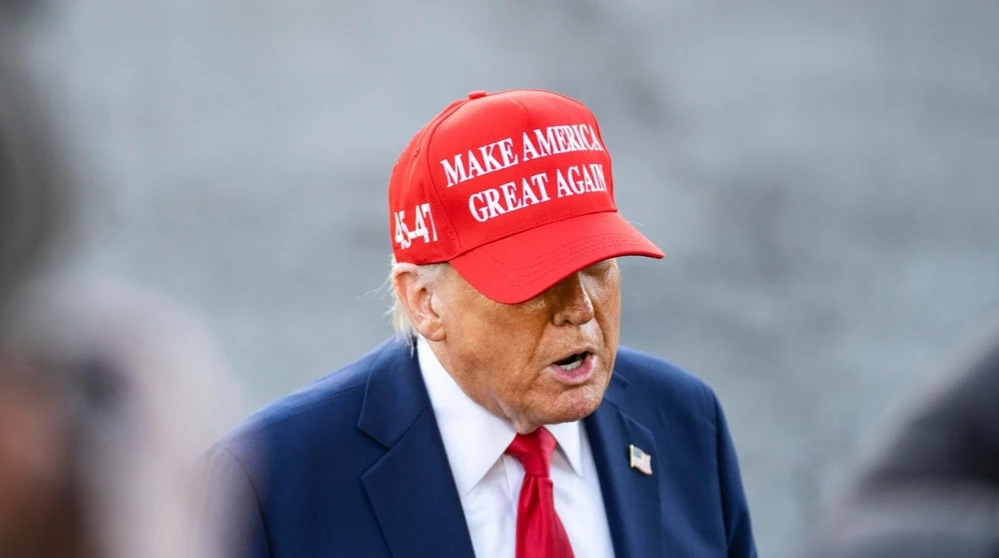
Nvidia CEO Jensen Huang has joined US President Donald Trump's delegation traveling to China for last-minute talks with Chinese President Xi Jinping. Nvidia confirmed this in response to an inquiry from Nikkei Asia.
The top executive was spotted on the runway as he boarded the presidential plane, the publication said, and Trump later confirmed his participation in the delegation on Truth Social. The president called it an honor to have Huang and other businessmen as part of the U.S. delegation. Investors reacted positively to the turnaround: Nvidia shares were up more than 3% in over-the-counter trading on Ma 13, Bloomberg reported, citing data from the Blue Ocean site.
As Nvidia itself specified, the head of the company went to the summit at Trump's personal invitation to support "the goals of the U.S. administration". According to Bloomberg's source, the US president himself called Huang, after which the Nvidia CEO flew to Alaska to board the number one flight during a scheduled layover.
Initially, the creator of the most sought-after AI gas pedals was not on the list of invited businessmen, which includes, for example, Elon Musk from Tesla, Tim Cook from Apple and Qualcomm CEO Cristiano Amon. It was widely discussed in the press. Experts attributed Huang's absence from the delegation to domestic political disputes in the U.S. about whether Beijing should be allowed to buy advanced American chips, Bloomberg notes.
Last week, Huang himself explicitly stated his desire to participate in this visit: "If I am invited, it would be a privilege - it would be a great honor to represent the United States and go to China with President Trump".
Huang's trip comes amid uncertainty surrounding the supply of AI chips to the Chinese market, states Nikkei Asia. In December 2025, Nvidia achieved a major lobbying victory: Trump eased export restrictions and gave the go-ahead to sell its solutions to Chinese companies on condition that they pay a 25 percent duty to the U.S. budget.
However, now the supplies are being blocked by the Chinese government, which seeks to protect its own hardware developers, such as Huawei and Cambricon Technologies. According to Nikkei Asia, Beijing requires local technology giants like Alibaba, Tencent and ByteDance to justify in detail the need to purchase foreign processors instead of domestic solutions.
This article was AI-translated and verified by a human editor