Oil at $150 and the collapse of old rules: BlackRock warned of underestimating military risks
Right now, market participants are ignoring the risks of prolonged logistical disruption due to the war in Iran and are "just hoping" for a favorable scenario, according to BlackRock President Rob Capito

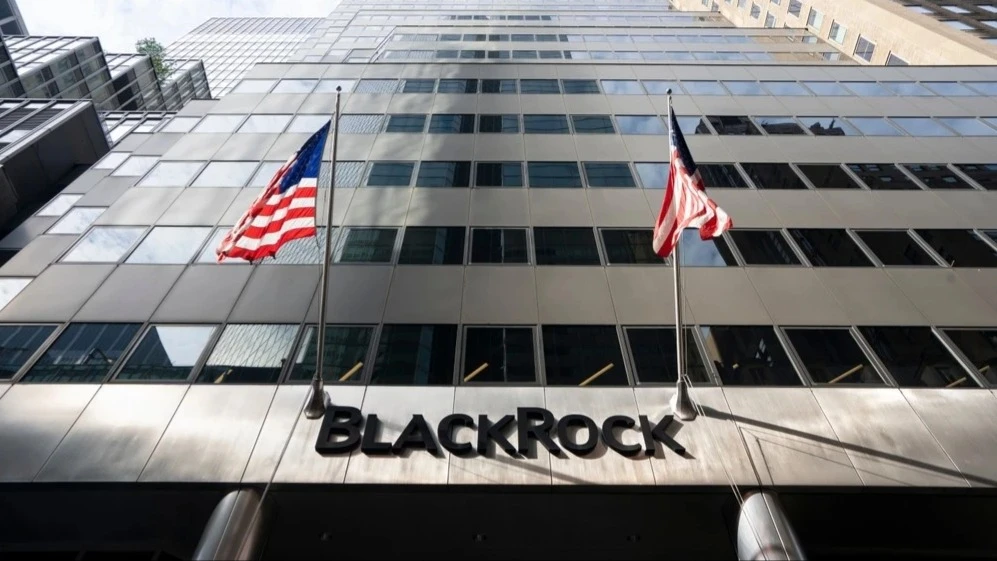
Blackrock executives concede that oil prices could rise to the $150 a barrel neighborhood even with an immediate end to the Iranian war / Photo: Tada Images/Shutterstock.com
The stock market is too optimistic about the risks from the war in Iran, BlackRock President Rob Capito warned. The second man in the hierarchy of the world's largest investment company emphasized that energy prices could remain high even in the event of an immediate ceasefire in the Middle East.
Details
Oil prices retain the potential to rise to $150 a barrel, and economic growth could slow by 2 percentage points with a comparable jump in inflation even "if we announced tomorrow that the war [in the Middle East] was over," Capito said March 26 at a finance and innovation symposium in Ma, Bloomberg writes. BlackRock's top executive reminded that supply chain recovery takes time and urged thinking about the business implications if logistics disruptions last "a week, six months, a year." "My main concern is that people don't pay attention to it - they just make an assumption" about a favorable outcome, the financier admitted.
He emphasized that the current market reaction is atypical for geopolitical crises. In the past, "when there was a conflict like this, you bought short-term Treasuries, you bought gold and you shorted the stock market," Capito recalled. However, in the Iranian crisis, classic hedging instruments failed: gold and treasuries fell in price amid inflationary concerns, while the U.S. stock market (S&P 500) has not yet shown the deep correction that should have been expected, Bloomberg states.
What's up with oil prices
Futures for benchmark Brent crude rose above $106 per barrel on March 26, recovering losses from the previous trading session amid contradictory statements by the U.S. and Iran on attempts to resolve the conflict that has shaken the energy market, Trading Economics reported. Tehran said it had no intention of reaching a deal with Washington and would reject a proposed ceasefire, instead outlining its own terms, including sovereign control over the Strait of Hormuz.
Meanwhile, the White House says peace efforts are continuing. According to U.S. and Israeli media, the United States, through Pakistan, has handed Iran a 15-point plan involving dismantling Iran's nuclear program, ending support for militants and resuming navigation in the Strait of Hormuz.
Context
A day earlier, Larry Fink, head of BlackRock , outlined two polar scenarios: in a year, oil could cost $40 per barrel or exceed $150. According to him, prices could fall sharply if Iran mends relations with the international community. However, if the conflict is not resolved, the world is waiting for years of oil at $100-150, which will lead to a "severe and sharp recession," Fink warned.
"If the war stops but Iran remains a threat to trade, to the Strait of Hormuz, to the peaceful coexistence of the Gulf states, then I would say we could be in for years of oil prices above $100, closer to $150," the head of BlackRock said in a BBC Big Boss Interview podcast published March 25.
This article was AI-translated and verified by a human editor