'This movie has been done before': oil falls below $100 on news of US peace plan for Iran
Washington's proposal calls for Iran to end its nuclear program and support for militants, as well as opening the Strait of Hormuz, Israeli media say

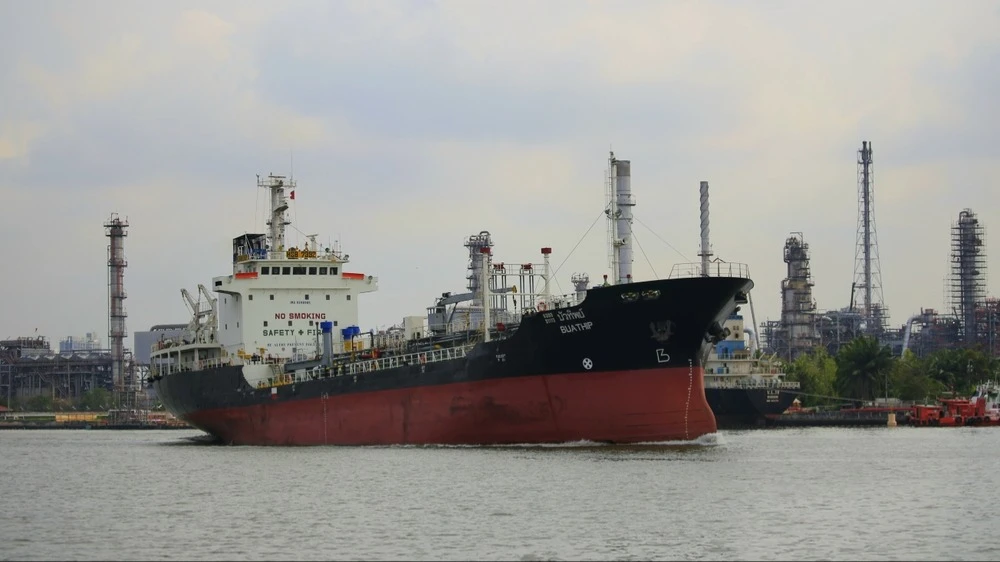
Only ships not affiliated with "Iran's enemies" can export oil and gas from the Persian Gulf, the Islamic republic's authorities have said / Photo: somkanae sawatdinak/Shutterstock.com
World oil prices fell sharply, while US stock futures moved to the upside. The growth of positive sentiment in the markets was helped by leaks that the U.S. had sent Iran a 15-point plan to end the protracted war in the Middle East.
Details
The cost of the nearest May futures for the global benchmark Brent oil in the morning of March 25 fell by 4.5% to $99.8 per barrel, although a day earlier the contracts rose by 4.6% and closed above $104. Quotes of futures for the U.S. Mark West Texas Intermediate (WTI) crude oil with delivery in May fell by 3.7% to $88.9 per barrel. During trading, the drawdown on Brent reached 7% ($97.15), on WTI - 6.1% ($86.72). In the stock market, futures on key U.S. indices - Dow Jones Industrial Average, Nasdaq-100 and S&P 500 - added 0.7%, MarketWatch reports.
The New York Times reported that Washington has sent Tehran a 15-point proposal designed to end the Middle East war, which is in its fourth week. The US is seeking a one-month truce to discuss the initiative, and the plan itself involves dismantling Iran's nuclear program, ending support for proxy groups and resuming shipping in the Strait of Hormuz, Reuters reported, citing Israeli media. This news outweighed fears of a new round of escalation in the Middle East, which emerged after U.S. President Donald Trump ordered in addition to the Marines to deploy to the region paratroopers specializing in the seizure of strategic facilities and airfields on foreign territory, according to Trading Economics.
What the analysts are saying
The markets' reaction "feels familiar, almost scripted, like we've seen this movie before - it's trading on short-term reactions in its purest form," Stephen Innes, managing partner at SPI Asset Management, told MarketWatch. "The market is provoking you to sell oil and dial up risk assets, waving the carrot of de-escalation like a free exit right in front of your nose. But the fundamental structure of the market still suggests anything but an easy ride for equity investors," the expert said.
"It still feels like I'm being asked to put two different wars into prices at the same time. One is a war of newspaper headlines, where Israeli TV throws in the idea of a ceasefire mechanism for a month, Washington launches behind-the-scenes diplomacy, and traders immediately sell off oil while simultaneously driving up stock futures quotes. The other is a war that has gone nowhere," Innes added.
"For now, there is a sense that the market is reacting post facto rather than being proactive, and until we see clearer agreements from both sides, I expect price momentum to remain fragile," emphasized Mark Whelan, head of investment banking at Singapore-based Lucerne Asset Management. According to him, market participants are now "reluctant to follow price movements that are entirely driven by news headlines and can reverse rapidly".
This article was AI-translated and verified by a human editor