Oil at $200: why ex-IMF economist expects oil rally even if war ends

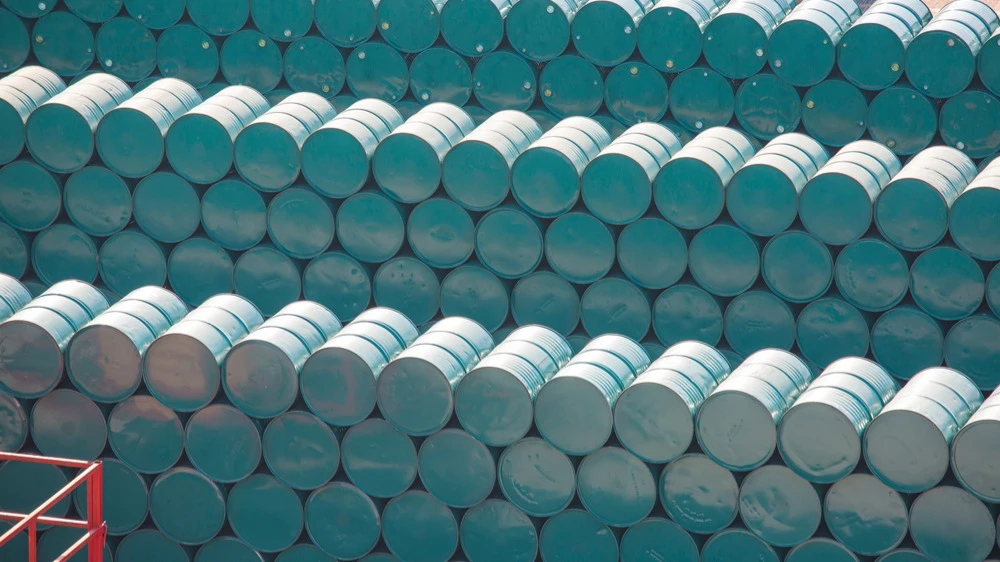
The US war with Iran may keep oil at extremely high levels, but there is no guarantee that the risks will wear off even if the conflict is concluded / Photo: noomcpk / Shutterstock
Oil prices may remain well above current levels and in the long term approach $150-$200 per barrel amid the ongoing conflict over Iran, says former chief economist of the International Monetary Fund (IMF) Olivier Blanchard, writes BusinessInsider.
Details
According to Blanchard, the shortage of oil supply combined with very low elasticity of demand for oil indicate that oil prices should now be closer to the record $150-$200 per barrel, rather than being at around $100, as they are now. These forecasts are close to the historical oil highs that Brent was approaching in 2008 (at that time it peaked at almost $144 per barrel).
The economist cited two main reasons for this forecast. First, in his opinion, it is virtually impossible to fully ensure the safety of navigation in the Strait of Hormuz, a narrow water passage off the coast of Iran through which about 25% of the world's oil shipments pass. Second, there is "no reason" to expect Iran to stop threatening ships passing through the strait, even if the conflict de-escalates.
"There is no reason to think Iran will stop threatening to destroy ships trying to pass through the strait anytime soon - even if [U.S. President] Donald Trump declares that the war is over," Blanchard noted.
These factors, he added, also mean that the market can no longer rely on the so-called TACO trade (Trump Always Chickens Out) strategy - in which investors bet on the US president eventually softening his stance. With the war on, Trump cannot single-handedly decide how the conflict will end, Blanchard said.
What other analysts are saying
Marko Kolanovic, former head of quantitative analysis at JPMorgan, agrees that the markets cannot rely on TACO trade in the context of the war in the Middle East, BusinessInsider writes. According to him, the rise in oil prices due to the war deprives Wall Street of a "quick decision" on the TACO model.
Analysts at JPMorgan estimate the oil supply deficit at about 16 million barrels per day due to continued disruptions in shipping through the Strait of Hormuz. Governments have tools to mitigate the price spike - for example, the use of strategic reserves, the introduction of export restrictions or the temporary repeal of the Jones Act, regulating maritime transportation between U.S. ports, but the main problem remains ensuring safe passage of ships through the strait, BusinessInsider notes.
Context
The International Energy Agency (IEA), which announced the release of 400 million barrels of oil from reserves on March 11, said the next day that the ongoing conflict in the Middle East had caused "the largest supply disruption in the history of the global oil market."
On March 12, investment bank Goldman Sachs raised its oil price forecast for 2026 for the second time since the beginning of March. Due to a possible prolonged blockage of shipping through the Strait of Hormuz, the cost of a barrel may jump to the level of 2008 - almost to $150, analysts warned.
Futures for international benchmark Brent on March 13 are down against the closing level of the previous day - traded at $99.7 per barrel. Futures for U.S. oil Mark WTI with delivery in April are also down 0.5% at $94.26.
This article was AI-translated and verified by a human editor