Oil has fallen below $100 a barrel. G7 ministers' meeting calmed the markets?
The Nasdaq Composite Technology Index, which plunged more than 1 percent in early trading on March 9 - eventually came out in the plus side

Photo: Hamara / Shutterstock
The growth in the cost of Brent crude oil after a jump of more than 20% at the beginning of trading on March 9 eventually slowed down - prices fell below $100 per barrel; at the time of publication Brent is trading in the plus by 7% - at $99.5. At the intraday high, Brent reached $119.5 per barrel. WTI futures for delivery in April also slowed down - at $96.47 per barrel (up a little more than 6% from the previous close - at the daily maximum their cost also exceeded $119 per barrel).
What's going on
This is how markets reacted to the online meeting of the G7 finance ministers, as a result of which, as French Minister of Economy, Finance, and Industrial, Energy and Digital Sovereignty Roland Lescure told journalists, the G7 countries "agreed to use any necessary tools, if necessary, to stabilize the market, including the possible release of necessary reserves" (quoted by Reuters). So far, Lescure assured, there are no problems with energy supplies in either Europe or the United States.
"We will continue to closely monitor the situation and developments in energy markets and will meet as necessary to exchange information and coordinate actions within the G7 and with international partners," a statement from the meeting quoted by Bloomberg said.
What's in the markets
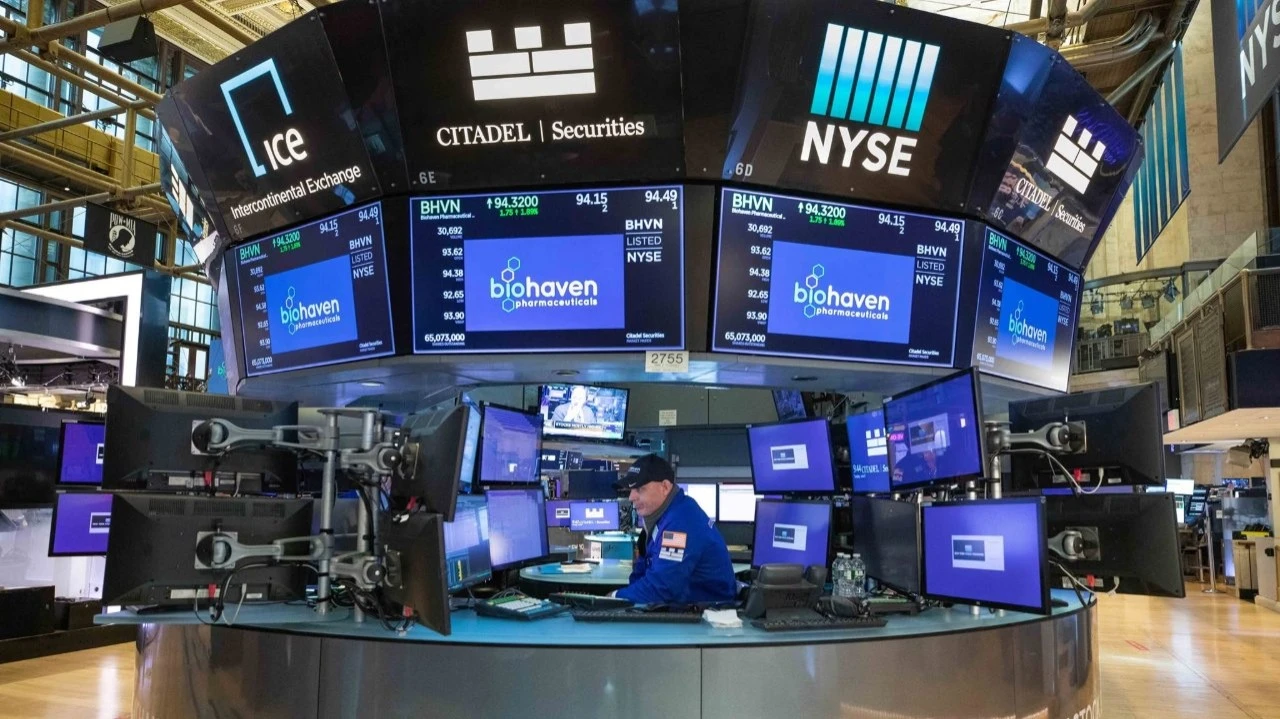
Against this backdrop, the major U.S. stock indices, which at the beginning of trading on March 9 - each - were losing more than 1%, began to recover their losses: the technology index Nasdaq Composite went into the green zone (adding 0.08% at the time of publication); the S&P 500 is losing only 0.3%, the Dow Jones is down 0.7%. Meanwhile, the VIX Volatility Index, also known as the "Wall Street Fear Index," has fallen to 27.56 from 35 points at the start of the day on March 9 - any index value above 20 indicates heightened market volatility.
The material is supplemented
This article was AI-translated and verified by a human editor