Oppenheimer names three promising small caps making counter-drone technology

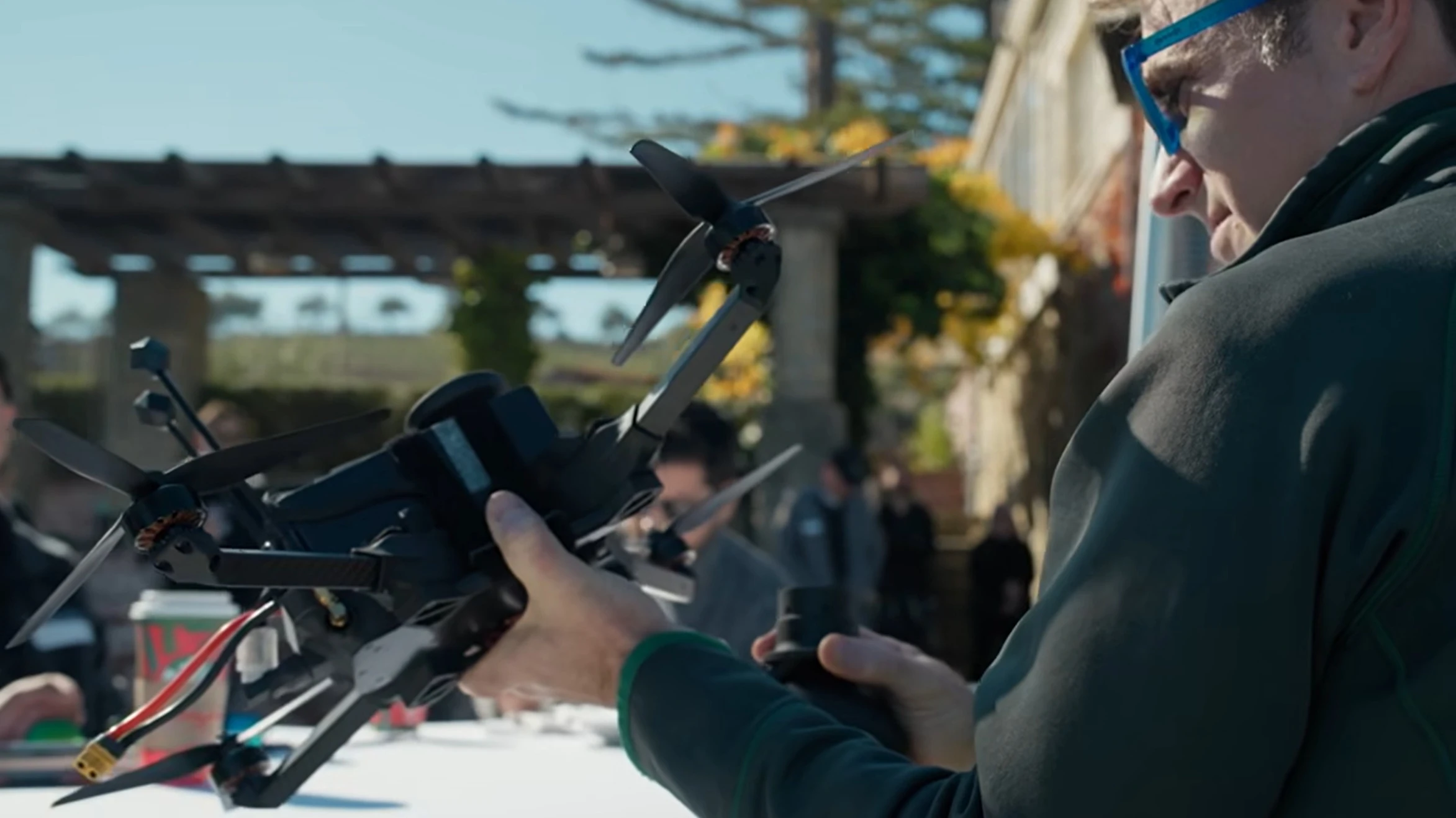
Oppenheimer says the companies may help the U.S. and its allies fend off drone strikes and conduct their own / Photo: LinkedIn / Ondas
Oppenheimer analysts have identified three small companies whose technology could help the U.S. and its allies defend against drone attacks in the Middle East. “It appears the US and Israel have significantly underestimated Iran’s drone capabilities,” Oppenheimer analyst Timothy Horan wrote in a research note cited by Barron’s.
Details
Investors should first consider shares of Ondas, Horan says. The mid cap is one of the few pure-play providers of infrastructure for autonomous drones, and its Iron Drone interceptor is capable of disabling several categories of small unmanned aircraft, he explains.
Oppenheimer also highlighted BlackSky and Iridium Communications, which provide satellite and communications technologies used to support drone operations and counter-drone systems.
Horan expects demand across the drone sector – particularly for counter-drone equipment – to rise as the conflict in the Middle East intensifies. “The importance of coordination and communications has never been clearer,” the analyst wrote.
Eight Wall Street analysts rate Ondas shares a “buy” versus one “hold.” The average target price stands at $18.22 per share, implying upside of more than 73% from the stock’s closing price on Wednesday.
BlackSky shares similarly have seven “buys” versus a single “hold.” The average target price of $26.87 per share is 10.6% above the last close.
Wall Street is more divided on Iridium’s prospects: seven analysts rate the stock a “buy,” two assign it a “hold,” and one a “sell.” The average target price is $28.50 per share, for upside of 16.3%.
Context
During the conflict, Iran has launched more than 500 ballistic missiles and more than 2,000 drones, Barron’s writes, citing General Dan Caine, chair of the U.S. Joint Chiefs of Staff. Among other incidents, strikes have hit the U.S. embassy in Saudi Arabia and damaged Qatar’s main LNG plant. According to U.S. officials, most of the Iranian missiles and drones have been intercepted, though a few have got through the defenses.
Barron’s also notes that traditional defense contractors are investing heavily in drone and counter-drone technologies. It fingers several companies, including electronic-warfare provider CACI International, whose shares ticked down 0.8% on Wednesday. Other examples include AeroVironment (down 0.8% on the day), whose BlueHalo subsidiary develops the LOCUST laser-based counter-unmanned system, and Kratos Defense & Security Solutions (up 0.2% on the day), which produces technology capable of disabling drones using microwaves.