Prada, following Hermès, reported an increase in sales. Is the crisis in the luxury market over?
The Miu Miu luxury group's rave, aimed at the buzzer generation, was particularly popular

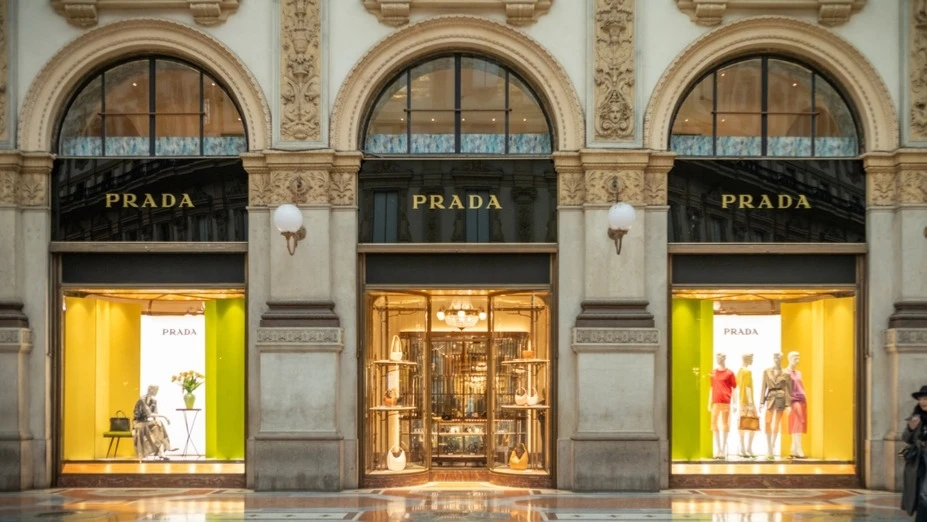
Italian fashion house Prada reported retail revenue growth of 9% for the first nine months of 2025, supporting a wave of optimism in the sector after strong results from Hermès. Against this backdrop, Wall Street has been talking about signs of recovery in the luxury market, which has been under pressure lately due to China's slowing economy and higher inflation. However, analysts are still cautious and say it will take quite some time before consumer habits recover.
Details
Revenue from Prada's retail sales in the first nine months increased by 9% year-on-year, the fashion house said. Net revenue reached €4.07 billion - 6.3% more compared to the same period last year. The luxury goods manufacturer was able to achieve such results thanks to the sustained demand for the Miu Miu brand, which is particularly popular among the zoomer generation. Its revenue for the nine months increased by 41%, offsetting the decline in sales of its flagship brand Prada.
In the third quarter, the Prada brand brought in 0.8% less at constant currency rates, with analysts expecting a stronger decline of 1.7%, Bloomberg noted. Quarterly revenue from the Miu Miu brand rose 29% year over year thanks to "broad acceptance across all categories and regions," the company said. Miu Miu has posted steady growth for four consecutive years - even now, when compared to a period of explosive 105% growth in the same quarter last year, said Andrea Guerra, the holding company's chief executive officer. He said this is a testament to the "health of the brand and the entire Prada group."
Overall, the company has posted growth for 19 consecutive quarters.
What about the stock
At the close of trading in Hong Kong, Prada shares sagged by about 1%. In total, since the beginning of the year, its market value has decreased by almost 26%.
Analysts are still optimistic about the company: 17 of the 19 ratings assigned to it correspond to the recommendation to buy its securities (Buy and Overweight ratings), WSJ shows. The remaining four analysts have a neutral stance.
Context
The market has increased expectations of a recovery in demand for luxury goods after several European fashion houses reported signs of stabilizing sales, recalls Bloomberg. For example, earlier this week, Citi analyst Tom Chauvet noted that Hermès became the third luxury company to show a consistent year-over-year improvement in revenue, which could indicate the beginning of a turnaround for the entire industry, according to The Wall Street Journal.
However, some experts remain cautious about the sector's recovery prospects. "The luxury industry is at a breaking point," Berenberg analysts warned. Pressure on the market continues to be exerted by the slowdown in China's economy, as well as lower incomes among middle-class consumers and the changing preferences of the younger generation - factors that radically reshaped the industry after the "exceptional" 2010s, emphasizes Bloomberg.
The same pessimistic opinion is held by Morgan Stanley analysts. The research division of the bank expects growth rates of luxury revenue below the market average up to 2026. Among the main challenges for the sector, they also named unfavorable currency fluctuations - especially the strengthening of the euro against the U.S. dollar, the Chinese yuan and the South Korean won.
Historically, the fashion industry has reflected economic cycles: in periods of upswing, consumers seek showy luxury, and in times of recession, on the contrary, to greater austerity and restraint. With sluggish prospects for economic recovery in China and Europe, changes in consumer behavior are likely to be gradual, Morgan Stanley notes. "Nevertheless, we believe investor interest in the luxury sector will start to gradually pick up as the positive scenario intensifies," added an analyst at the investment firm. - "On the supply side, the industry could benefit from a surge in creativity, while demand could be helped by the 'wealth effect' in the US and possibly China if the rise in the stock market continues."
This article was AI-translated and verified by a human editor