Red flag for Revolut: why neobank blocks transfers of Russians from Kazakhstan

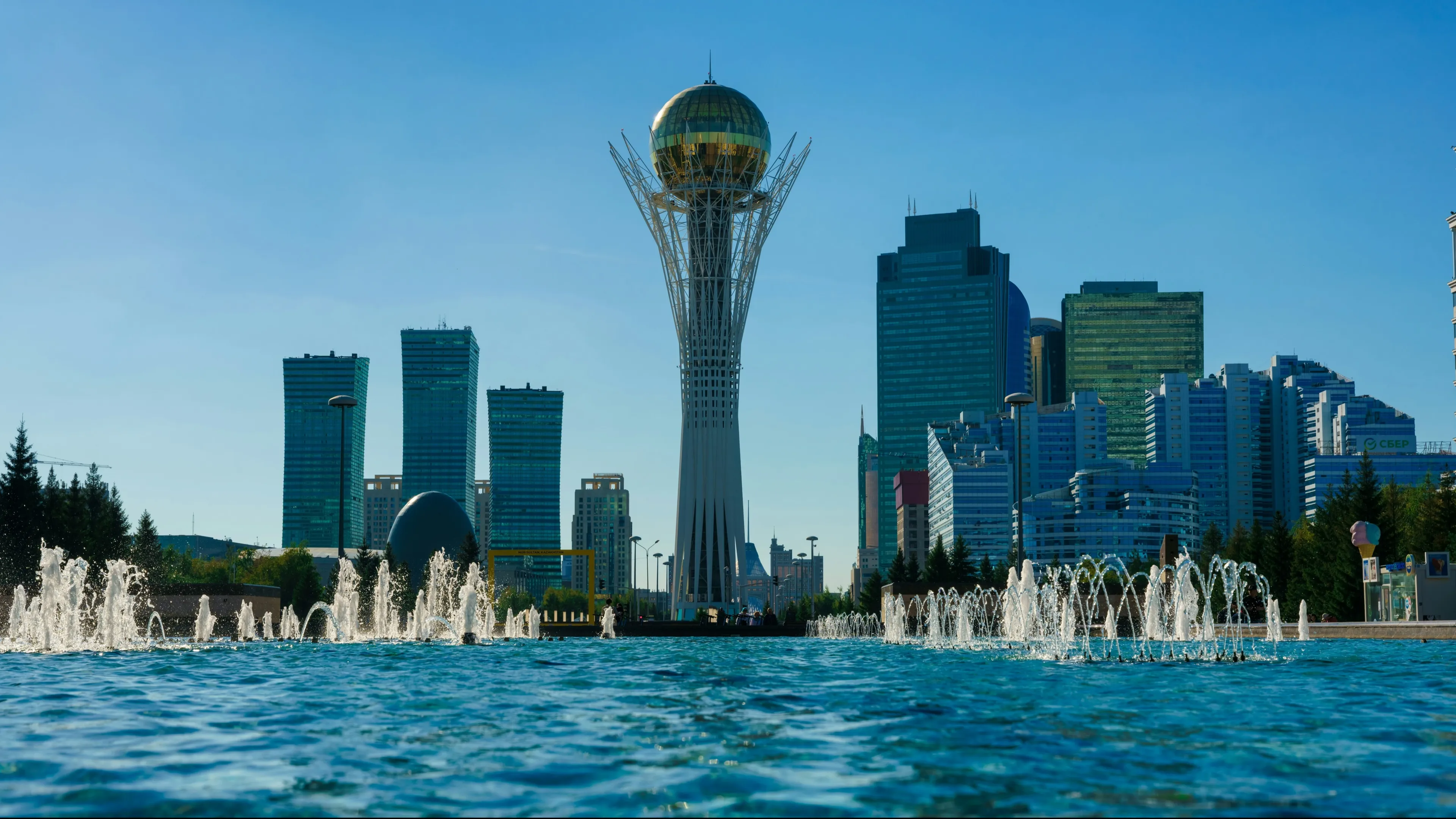
Kazakhstan's banks see no systemic problem in blocking the accounts of Russians living in the EU for transfers from this country / Photo: Viktor Hesse / Unsplash.com
A Russian passport and the transfer of money through a bank in Kazakhstan is a red flag for Revolut, the Telegram channel Finance & Banking EU has found out. At the same time, compliance officers of neobanks can both let money from the Russian Federation through and close a Russian's account for the transferred salary from a source in Kazakhstan. Kazakhstani banks do not see this as a systemic problem: the country's citizens do not face any blockages, while Russians' money from any jurisdiction is now treated with caution.
In what cases has Revolut blocked accounts?
Russian citizenship and transferring money from a Kazakh bank are a set of red flags for Revolut, the Finance & Banking EU Telegram channel found out, having studied 30 stories of blocked neobank accounts shared by the channel's subscribers.
As a representative of Finance & Banking EU told Oninvest, all the cases studied had the same pattern - Russians living in the EU who transferred money from banks in Kazakhstan to Revolut cards faced additional checks. But citizens of other countries who were born in the USSR on the territory of modern Russia and now also live in Europe also faced similar checks.
Such inspections were reported, in particular, by clients of Halyk, Kaspi, Freedom Bank and Bank CenterCredit. All of them are among the top ten banks in terms of attracted funds of individuals.
According to Ranking.kz, Halyk has accumulated deposits of KZT13.27 trln out of KZT47.2 trln held by private customers in February 2026. Kaspi holds KZT7.82 trln, Bank CenterCredit KZT6.21 trln and Freedom Bank KZT1.49 trln.
The amount of the transfer did not matter: Revolut was interested in both large transactions - for several thousand euros - and small card top-ups.
There are two reasons for this. The first is the 19th package of EU anti-Russian sanctions adopted in the fall of 2025, which banned banks and their customers in Europe from interacting with the Mir national payment system and fast payment system, as well as from using cryptocurrencies to circumvent anti-Russian sanctions. In addition, the European Commission's decision toblacklistRussia for money laundering and terrorist financing came into effect in early 2026. All financial organizations that make payments in euros are required to conduct enhanced checks on clients when opening accounts and their transactions from EU blacklisted countries.
The presence of the same triggers in the cases studied gives some insight into the logic of Revolut's automated scoring: first it checks the passport and place of birth, and then the jurisdiction of the sending bank, says a Finance & Banking EU representative.
However, the outcome of the checks in the stories sent by the channel's readers varied. For example, there is a case where a client passed the check by providing a personal income and tax certificate (2-NDFL) from a source in the Russian Federation not under sanctions as proof of clean funds and kept the account.
But there are also cases where Revolut closed an account even though the funds were received from a source outside Russia.
In other words, a "manual" check conducted by a compliance officer can have unpredictable results, concludes the Finance & Banking EU representative.
The positive outcome was most often in cases where it was a salary from an employer with a legal entity registered in Kazakhstan, or the statement showed that the funds came from a source outside of Russia (from a non-Russian employer, sale of real estate not in Russia, etc.). At the same time, the client himself provided the bank with a logical and consistent explanation of the origin of the funds and the economic sense of the transaction.
Account closures or freezes were more common when:
- the Russian origin of the money, even if the source was not under sanctions;
- p2p transactions with cryptocurrency, where users buy and sell it to each other with payment to a card;
- Another point is money transfers through third parties. For example, Sberbank used such a scheme to transfer money to the EU through individuals or legal entities in Central Asian countries;
- the closure may have resulted from the submission of an incomplete or illegible set of documents.
Revolut, as a regulated financial institution, reviews customer accounts and transactions in accordance with applicable legal and regulatory obligations, internal controls and overall risk tolerance, a spokesperson for the neobank said in response to Oninvest's inquiry.
Revolut continuously monitors both historical and current customer activity, he said. This is a standard compliance practice that is consistent with changing regulatory requirements and updated risk indicators. In cases where account activity ceases to comply with the bank's terms and conditions and/or regulatory obligations, accounts may be subject to review, restriction or closure, the neobank spokesperson elaborates.
Earlier in an interview with Elizaveta Osetinskaya, Revolut CEO Nikolay Storonsky confirmed that the bank's employees always "manually look at accounts" during inspections, and also said that financial regulators expect banks to be more strict in compliance than sanctions restrictions dictate.
How are blockades treated in Kazakhstan?
Oninvest has sent inquiries to all mentioned banks in Kazakhstan. There are no mass blockings, there are only individual cases, which are worked out individually, a representative of Halyk told Oninvest. According to him, the bank sends transfers to the EU in the normal mode.
Freedom Bank does not observe any systemic problems with transfers and payments to European banks, its press service said.
Bank CenterCredit and Kaspi had not responded to the request by the time of publication.
The blockings are not specifically related to Kazakhstan and therefore do not carry reputational risks for the local banking system and its players, a source in the country's banking market told Oninvest. According to him, ordinary Kazakhstanis do not face such problems: the blockings only concern Russian capital and occur because of the sanctions imposed against it.
"Money sent by Russian beneficiaries from any country faces restrictions of this nature," he concludes.
Financial institutions that are not ready to deal with the Russian risk and are looking for any justification for closing accounts will inevitably find them, says Igor Kuznets, partner at FTL Advisors. According to him, the inclusion of the Russian Federation in the EU blacklist gives banks an additional tool - they can refuse to serve such clients on the grounds of non-compliance with internal criteria of acceptable risks.
Practice proves it. In December 2025, Revolut sent letters to customers in France, in which it banned topping up their cards from 52 jurisdictions, including a number of CIS countries, including Armenia, Kazakhstan and Azerbaijan. In the same month, Revolut customers with Russian passports began to report that they were unable to replenish their accounts with cards from banks in the CIS countries of Kazakhstan, Uzbekistan and Tajikistan. And two months later, the bank began to check old transfers of its clients with Russian passports who legally live in Europe. The transactions in question were made 1-2 years ago. Revolut tried to find out the source of origin of the funds, and if it found a connection with Russia, it blocked the account.
This article was AI-translated and verified by a human editor