Spot oil has fallen in price to pre-war levels. Why could that change quickly?
Market reacts weakly to shortages as oil buyers hope to wait for a truce in the Middle East

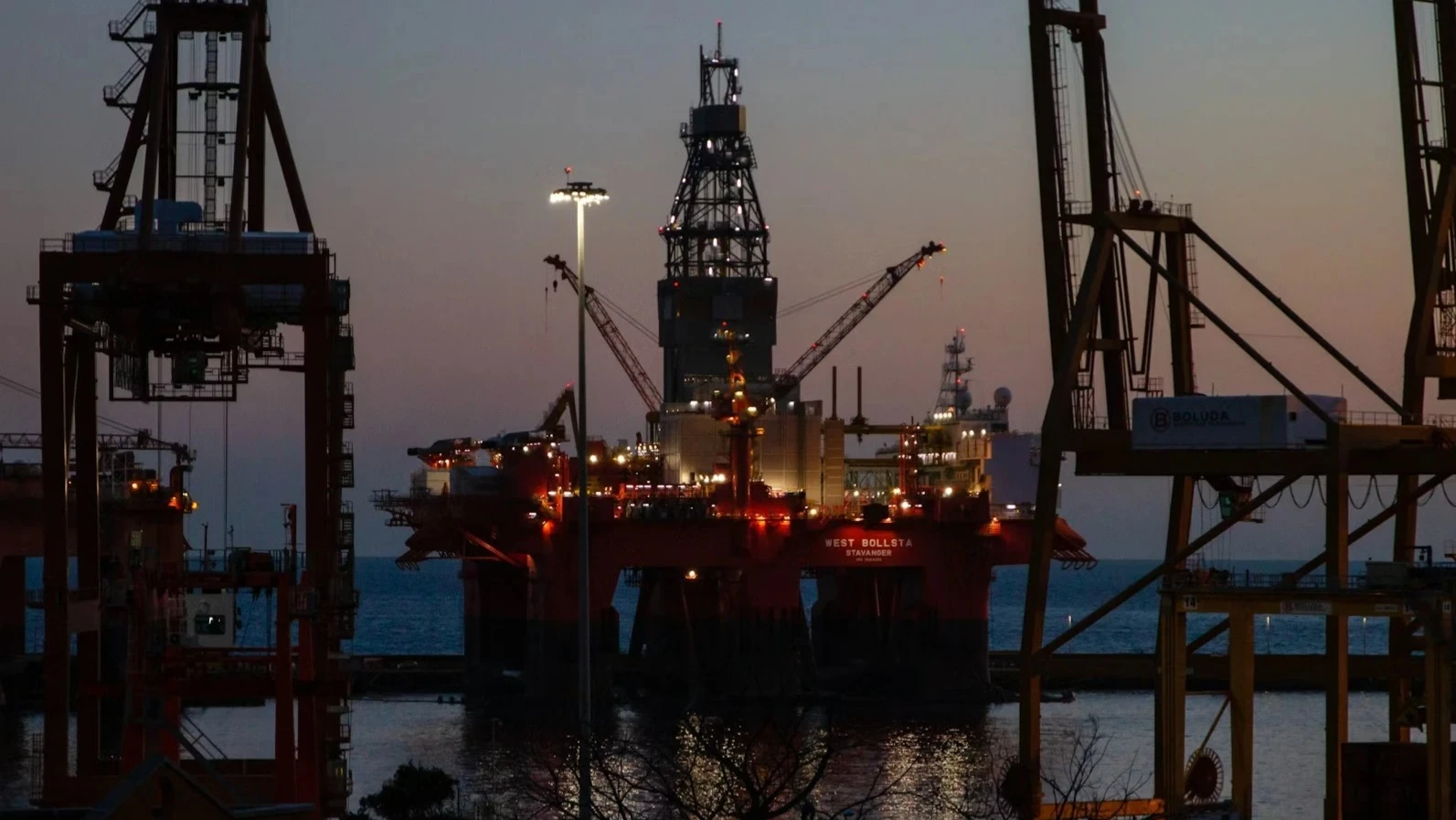
Premiums for the major North Sea crude grades have fallen by as much as 90% over the past month / Photo: Unsplash/Maria Lupan
Premiums for North Sea crude, the basis for calculating Dated Brent, the global price benchmark for quick-delivery oil, have fallen 90% in a month and are back to pre-war levels, Bloomberg has pointed out. This comes even though the Strait of Hormuz remains closed and the global market has lost more than 10% of supply. Buyers are delaying deals, counting on a possible U.S.-Iran agreement that would bring volumes back to market and drive prices down. So far, refineries are living on stocks, but traders warn: if the blockade drags on, the shortage of raw materials could again sharply raise the cost of physical batches.
What's going on with prices
The decline in prices for physical oil from the North Sea began in the second half of April and noticeably accelerated last week, Bloomberg writes. According to the agency, premiums for the main grades of North Sea oil for the month collapsed by 90%, falling almost to pre-war values. The fall affected other Marks: some batches of West African crude with immediate delivery were traded even with a slight discount to the price benchmark. The price differential between immediate delivery and six-week delivery (six-week spread) for Brent contracts narrowed to $2.15 on Ma. 7, although a month ago, at the height of shortage fears, the urgency premium was as high as $28. Texas WTI Midland on May 8 was sold at a markup of only $1.5 per barrel, and Omani oil, the route of which does not pass through Hormuz, was sold at a premium of just over $7, the agency points out.
Why prices aren't going up
The market is reacting weakly to the deficit, as buyers have taken a wait-and-see attitude. Plants, primarily in Asia, have changed their approach: they are using up their own reserves and reducing processing volumes instead of looking for fresh batches of raw materials. According to Neil Crosby, head of research at Sparta Commodities, current spot market prices do not reflect a "catastrophic shortage" of supply.
Strategic reserves and shipments bypassing the Strait of Hormuz also put pressure on prices. Governments announced record reserve drawdowns, and Saudi Arabia and the UAE diverted some exports through pipelines. U.S. oil exports surged, and China began selling off crude on world markets while reducing imports. An additional factor was a noticeable drop in global consumption, Bloomberg states.
What is the risk to the market
Traders surveyed by Bloomberg emphasize that the current lull may be short-lived. In their opinion, the refineries' decision to live on old stocks is only a temporary measure that will not solve the shortage problem in the long term. Due to the cyclical nature of refining, demand for oil will inevitably return in the coming months. By that time, storage reserves will be depleted, and companies will have to buy raw materials on a massive scale again from the market, which is already short of 1 billion barrels.
That risk was also pointed out by Shell CEO Wael Sawan on May 7. "The question is, how long will this last and how big a problem are we creating?" - he stated during a conference call. "We have dug a billion-barrel hole, and we are sinking deeper and deeper," Sawan emphasized.
Context
Brent futures for July delivery on Ma. 11 jumped above $105 per barrel, although they fell below $100 last week amid continued hopes of a peace deal between the U.S. and Iran. US President Donald Trump has called Tehran's proposals to end the war "totally unacceptable". Contracts for U.S. WTI with delivery next month against this background also rose to $100.37 per barrel, at the time of publication they cost $98.27.
This article was AI-translated and verified by a human editor