The 24-year-old AI-Nostradamus fund is up 270% since the beginning of the year. What do we know about him?
Leopold Aschenbrenner has been compared to the Cathie Wood phenomenon during the COVID-19 pandemic in terms of market impact
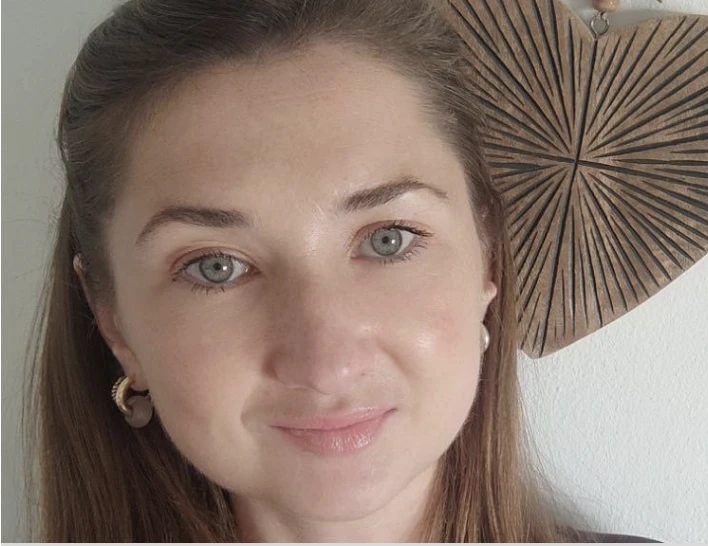
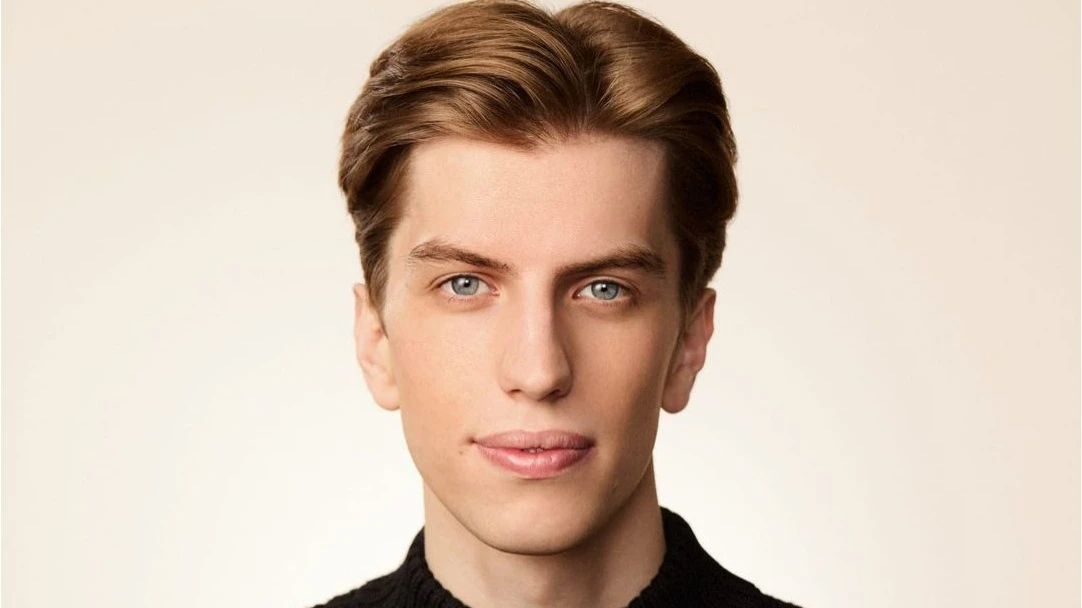
"AI-Nostradamus" Aschenbrenner began to be called after he published a study on AI in 2024. The title of this essay then gave the name to the investor's fund - Situation Awareness / Photo: leopoldasch / X.com
Leopold Aschenbrenner, 24, who manages the AI-focused hedge fund Situational Awareness, has caught the attention of the Wall Street investment community for his analytical forecasts on the development of the artificial intelligence industry. The current financial performance of the fund fully confirms the validity of this interest.
The net yield of Situational Awareness for the first five months of 2026 amounted to 270%, The Wall Street Journal (WSJ) writes, citing sources. Since the launch of the structure less than two years ago, its total return has exceeded 1000%, and the volume of assets under management has reached $20 bln.
The financial community is amazed at the rapid growth of Situational Awareness, especially since Aschenbrenner had no professional investment experience at the time of its launch, the WSJ notes.
What is the young money manager, already being dubbed "AI-Nostradamus" on Wall Street, known for and what assets is he betting on?
What is known about Aschenbrenner and his foundation
German-born Leopold Aschenbrenner graduated from Columbia University in 2021 as valedictorian and briefly worked as a researcher at OpenAI (developer of ChatGPT), WSJ reports. After that, he left the AI startup and went into stock market investing, focusing on players that could benefit from the development of AI technology, Barron's tells us.
Aschenbrenner earned the nickname "AI-Nostradamus" after the publication in 2024 of his 165-page research manifesto, Situational Awareness: The Decade Ahead, which later gave the name of the Aschenbrenner Foundation - Situational Awareness. In this essay, he predicted the rate of growth of computing power and algorithmic efficiency of artificial intelligence for the coming years. The work was widely disseminated in technological and business circles, and also attracted the attention of celebrities: the essay was publicly shared on social networks by Michael Dell, founder of Dell Corporation, and Ivanka Trump.
Later that year, together with colleague Carl Schulman - another AI intellectual who had previously worked at Peter Thiel's hedge fund - Aschenbrenner launched his own hedge fund, which he described as an "AI think tank" - Situational Awareness. Early investors in that fund included the co-founders of the Stripe payment system, the Collison brothers, as well as investors Nat Friedman and Daniel Gross, who now help lead AI projects at Meta.
Over time, the structure's investment strategy attracted the attention of major financial market players, WSJ notes. Situational Awareness investors included Jane Street, one of Wall Street's most profitable and closed quant companies. Experts call this move exceptional, as Jane Street has historically avoided transferring capital to third-party managers.
What assets the fund is betting on
Situational Awareness is now close to industry giants such as Bill Ackman's Pershing Square and Dan Loeb's Third Point in terms of scale of assets under management, WSJ sources suggest. One of the fund's most successful investments, they estimate, is Aschenbrenner's bet on artificial intelligence developer Anthropic. The fund entered the startup's capital in early 2025 - at that time Anthropic's valuation was $61.5 billion. Today, the value of the AI company is closer to $965 billion. The stake in it provides Situational Awareness with about one-fifth of its total assets, one of WSJ's interlocutors says.
Another successful bet was investment in South Korean memory chip maker SK Hynix in November 2024: the fund benefited from the company's capitalization growth: since the beginning of the year, its shares have risen by more than 200%. Against this background, at the end of May, the South Korean chipmaker became one of the companies with a market value of more than $1 trillion.
In addition, Jane Street not only invests in Aschenbrenner's hedge fund, but also co-invests with it in venture capital deals. Both firms were lead investors in a February round for AI chip startup MatX and are now participating in a new round of funding for cloud computing provider Fluidstack, the WSJ points out.
That said, Situational Awareness' story hasn't always been so successful. In early 2025, the hedge fund suffered temporary losses when the release of a low-cost AI model from Chinese startup DeepSeek triggered a massive selloff in shares of Nvidia and other sector-related companies. However, the fund quickly recovered amid a new acceleration in demand for AI tools, which sparked a rally among chip makers, energy equipment manufacturers and infrastructure providers.
What impact does the fund have on the market
Aschenbrenner's impact on the market is now being compared to the phenomenon of ARK Invest founder Cathie Wood during the COVID-19 pandemic, WSJ notes. The Situational Awareness fund's regulatory reports are being scrutinized by retail and institutional investors, and trading platforms are implementing features to automatically copy its trades.
The market reacts to the fund's actions instantly. For example, after the disclosure of information about the purchase by Aschenbrenner's fund of a stake in solar energy producer T1 Energy, the company's shares jumped 23% in one day amid record trading volumes, recalls WSJ. In addition, the fund's most recent disclosure, as of March 31, 2026, revealed that Situational Awareness bought 12.41 million Class A shares of Arkady Volozh's Neoblack provider Nebius Group. This corresponded to a 5.6% stake in the IT company. The news of Aschenbrenner's appearance among the shareholders provoked a jump in Nebius shares: at the pre-market on Ma. 28, they soared by more than 11%, at the end of the main trading session that day Nebius shares rose by 8.6%.
This article was AI-translated and verified by a human editor