Bank of America announced the temporary closure of its positions in Kazakh government bonds

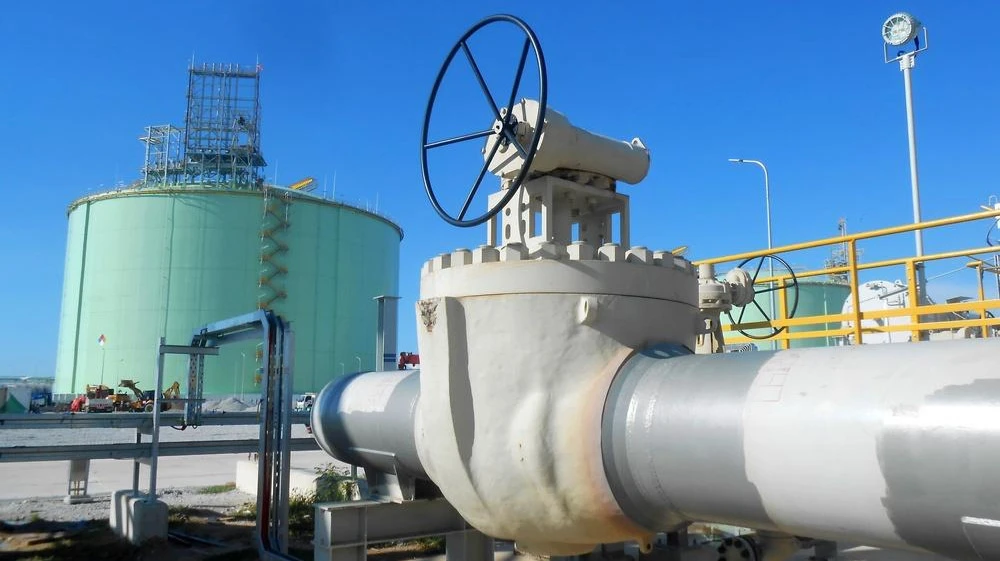
Without oil exports, Kazakhstan is no longer as attractive to investors. Photo: Shutterstock.com
"We are tactically closing our long positions in tenge-denominated bonds due to risks associated with disruptions in the operation of the CPC pipeline. We still like this investment idea from a strategic perspective; however, the disruptions at the CPC and the overvaluation of the tenge justify exiting the position,” – wrote experts at Bank of America (BofA) in a report titled “Kazakhstan in Focus: Very Energetic Issues,”
In a report dated July 22, BofA analysts predicted that, given the potential scale of the consequences, the pipeline shutdown would be short-lived; however, if disruptions persist for an extended period, this could undermine Kazakhstan’s investment appeal. Experts note that the CPC accounts for more than 80% of the country’s oil exports, and only a small portion of those volumes can be rerouted to other export routes; they also point out that, in this context, the tenge should be considered overvalued.
Analysts note that export restrictions could further undermine economic growth in Kazakhstan. “In the first quarter of 2026, real GDP growth slowed to 3% year-over-year from 6.5% in 2025, mainly as a result of disruptions in oil production. Repeated disruptions are likely to further slow the recovery of economic growth, which should support the expected trend toward disinflation,” experts argue.
According to KASE data, yields on tenge-denominated government bonds (the broad KZGB_Ym1m index) fluctuated only slightly during the most recent CPC shutdown: as of July 20, it stood at 14.8% and fell to 14.6% over the course of the week—then rose again to 14.82%. However, BofA experts believe that the disruptions to oil exports are quite significant, and the global market has not yet noticed them simply because CPC shutdowns have occurred before—and, as a rule, operations were quickly restored.
According to official data, the Novorossiysk CPC terminal has been shut down twice since the start of the war due to Ukrainian attacks. The first time, in late November 2025, the terminal was out of service for two days, after which it resumed operations at half capacity. The second time, it was shut down for seven days—from December 29, 2025, to January 6, 2026. The remaining shutdowns during the Russian-Ukrainian war were attributed to storms.
Context
The current shutdown lasted eight days: it began on July 19, and on the 27th, several publications, citing Kazakhstan’s Ministry of Energy, reported that “the tankers SEAMAJESTY and MILOS are being loaded at two offshore mooring facilities of the CPC.” Both vessels are receiving oil from Tengizchevroil LLP. Further operations at the offshore terminal are being conducted taking into account an assessment of the current situation and necessary safety requirements, the Ministry of Energy noted.”
Despite the terminal’s resumption of operations, the issue of risks to tankers remains. At this time, according to information from open sources, aside from the SEAMAJESTY and the MILOS, only one other tanker, the SUEZ ICE SUPREME, is heading toward Novorossiysk. The combined deadweight of the three vessels is approximately 400,000 metric tons, which corresponds to roughly two days of the terminal operating at full capacity.
As of 6:00 p.m. Almaty time, 10 warnings of UAV attacks had been issued in the Krasnodar Krai of the Russian Federation on July 27.
This article was AI-translated and verified by a human editor