The "bond king" does not believe in the strengthening of the dollar. What does he advise investing in?
Gundlach moves capital into tangible resources amid loss of confidence in fiat currencies
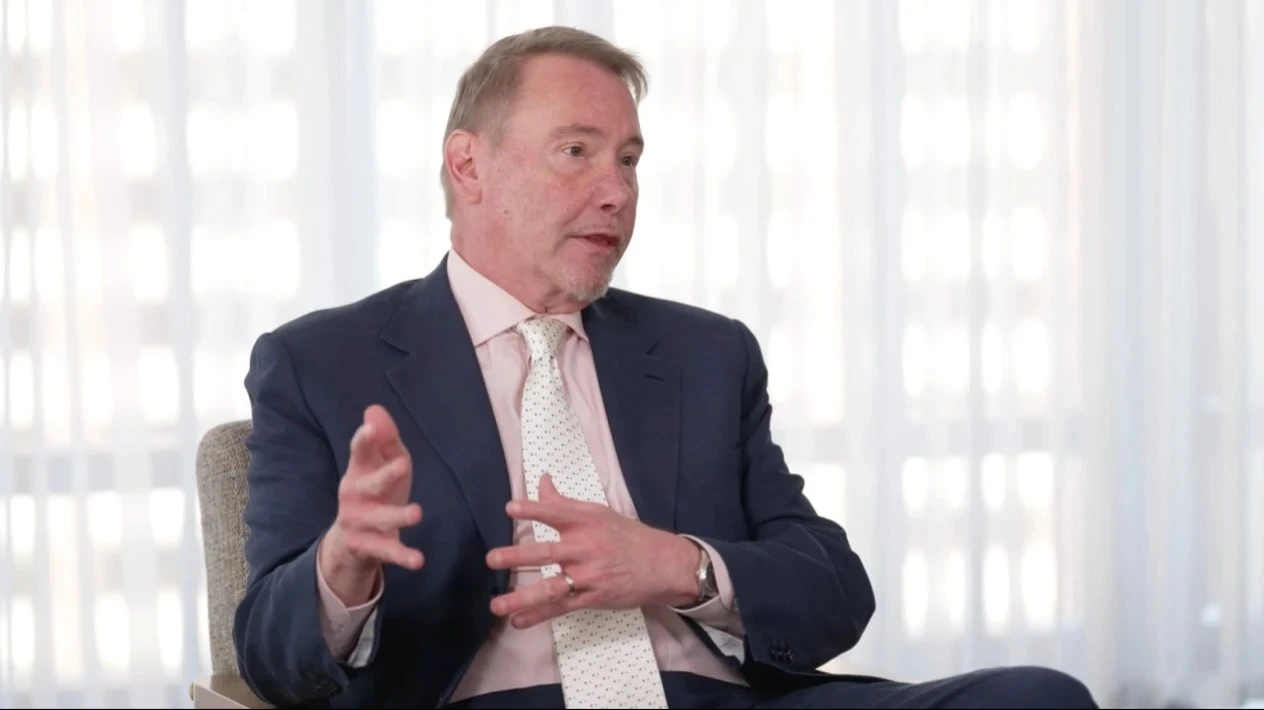
Gundlach is building a portfolio around the idea that the dollar will be long-term weak / Photo: YouTube/ DoubleLine Capital
The Bloomberg Dollar Index lost about 2% in January, falling to a four-year low. DoubleLine Capital founder Jeffrey Gundlach, known as the "king of bonds," recommends investors move into "tangible" assets and emerging markets, expecting further weakening of the U.S. currency amid rising costs of servicing U.S. government debt.
Details
Gundlach believes the Fed will keep the current rate through the end of current Chairman Jerome Powell's term. "I would bet with a lot of confidence that there will be no more rate cuts under Jay Powell," Gundlach told CNBC after the Fed's latest meeting. In his opinion, the head of the regulator makes it clear that inflation has stabilized and the labor market has stopped deteriorating, which removes the need for further policy easing.
The prospect of continued high rates with a significant budget deficit only reinforces Gundlach's belief in further dollar weakness. "My central investment theme for the past two years has been to build a portfolio around the idea that the dollar will be long-term weak. Even if the economy slows - because that will lead to concerns about long-term debt. We will continue to see dollar weakness as debt servicing comes into play," he said. Against this backdrop, the investor recommends allocating 30-40% of the portfolio to emerging market equities without hedging currency risks to gain additional exposure to the strengthening of local currencies against the dollar.
Amid a loss of confidence in fiat currencies, Gundlach is moving capital into tangible resources. In June 2025, he deployed personal funds to buy land and shares in gold mining companies. "I'm still close to the idea of owning real assets - something that protects you from currency fluctuations. Investors are showing more interest in tangible assets and are starting to take a more sober look at what is hype. I believe this trend will only accelerate, and it is already in full swing," added the head of DoubleLine.
This "sober view" of the market is confirmed by a 90% year-over-year surge in precious metals, which Gundlach contrasts with the fading hype around cryptocurrencies and problems in opaque private markets. The investor believes that today the price of gold is "the inverse of investor confidence in central banks" and its growth is directly proportional to market skepticism about the actions of regulators.
Context
At the meeting on January 28, the Fed kept the rate in the range of 3.5-3.75%. As Gundlach noted, this decision was expected: the market entered into synchronization with the Fed - the yield of two-year Treasury bonds (3.58%) is almost equal to the current rate of the regulator. The pause in rate changes comes ahead of a change in the central bank's leadership: Powell's term of office expires in May, and only two meetings are scheduled until then - in March and April.
Against this backdrop, the trend for weakening of the US currency intensified: the dollar index DXY fell to a four-year low, having lost more than 10% over the past 12 months. At the same time, the price of gold exceeded $5500 per ounce for the first time, while silver approached $120 per ounce, confirming Gundlach's thesis about investors fleeing to protective assets.
This article was AI-translated and verified by a human editor