The bottleneck: how the Iran crisis is reshaping the energy risk map
Investors now it is more important to follow not political statements, but the structural weaknesses of importing countries, for which this conflict may become critical, JPMorgan strategist believes

The high share of green energy in the power grid creates only an illusion of energy independence of countries, writes JPMorgan strategist / Photo: Shutterstock.com
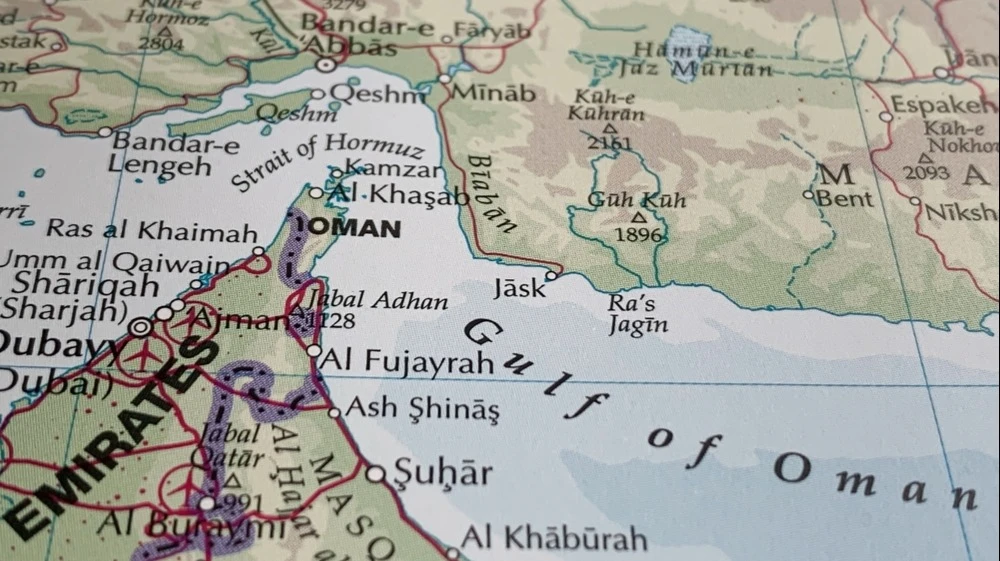
Blocking the Strait of Hormuz could paralyze the energy supply system, putting 20% of the world's oil consumption at risk. However, JPMorgan strategist Michael Sembalest believes that the damage would be selective: its scale depends on where on the vulnerability map a particular economy is located.
Hormuz dead end
Military action in the Middle East has made the Strait of Hormuz a key risk to markets. Sembalest draws attention to the gap in how different sectors would react to a blockade of this route. In his assessment, the resilience of the gas market is much higher than that of the oil market. This is due to oil's dependence on tanker fleets, while gas remains largely an "onshore" resource:
"About 20% of global oil consumption passes through the Strait, which is significantly higher than the Strait's 3% share of global natural gas consumption. Natural gas is still either consumed primarily where it is produced or sold abroad through pipelines"

But things change once it comes to liquefied natural gas (LNG) importers - especially those without pipelines. For Japan, South Korea, Taiwan, France, Portugal and the Benelux countries, for example, the share of imported LNG reaches 90-100%, making them particularly vulnerable, Sembalist notes.
Vulnerability map: who's in the red zone?
For a JPMorgan strategist, the threat in the Strait of Hormuz is above all a stress test, exposing the gap between reports and reality. The high proportion of green energy in the power grid often creates only the illusion of security, he says. In his risk map, Sembalest ranks countries by "energy sensitivity" - the real share of hydrocarbons in final consumption.
Sembalest cites Spain as an example: with a high share of renewable energy sources, the country's energy consumption is 70% dependent on fossil fuels, which are fully imported. Italy and Germany are in a similar situation of "illusory security.
Sembalest describes the situation of Taiwan and South Korea as even more serious. The difference with European countries lies in the industrial structure: Asian countries do not just import resources, their economies are more energy intensive. On Sembalest's map, they occupy the extreme point of the "red zone," where dependence on external supplies is superimposed on the industrial need for energy.
The U.S., according to Sembalest, is also unprepared for a crisis: the U.S. strategic oil reserve is at a much lower level than usual because of the Joe Biden administration's decisions to combat the inflationary effects of fiscal and monetary policy. Sembalest believes that Washington has squandered its main leverage in the market for short-term goals - and this has deprived the country of a defense mechanism capable of cushioning a price blow in a real conflict.
Chinese factor
Against the backdrop of global importer vulnerability, China is in a unique position: its economy is protected from an energy crisis because Beijing relies on domestic coal production, making it less sensitive to a naval blockade.
China's role in this conflict lies on the plane of big geopolitics, Sembalest said. The strategist believes that the official U.S. rhetoric about "regime change" in Iran hides Washington's attempt to destroy the bond between Tehran and Beijing. China has turned Iran into its energy and military bridgehead, receiving resources on exclusive terms in exchange for technology and investment:
"China buys 80 percent of Iran's oil at huge discounts, it has committed to invest $400 billion in Iran as part of a 25-year strategic partnership, it has built much of Iran's surveillance network, it recently planned to replenish Iran's ballistic missile stockpile and sell Iran supersonic anti-ship cruise missiles"

In Sembalest's view, Iran serves as an ideal tool for Beijing to "disperse" U.S. influence. The strategist is convinced that by tying up U.S. forces and resources in the Middle East, China is systematically depriving Washington of the ability to effectively respond to any challenge in the Pacific, where its main target - Taiwan - is located.
This article was AI-translated and verified by a human editor