Oil at $140 a barrel: what analysts say about the escalation in the Middle East
Iran's possible restrictions on shipping in the Strait of Hormuz could potentially cause oil prices to spike to $84 or even $140 a barrel, analysts have warned

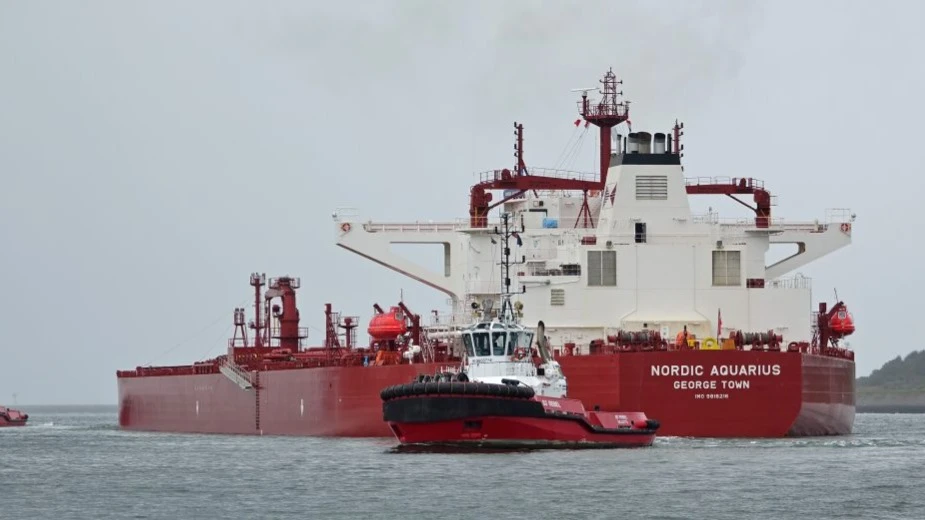
Markets will be very concerned about any disruption to oil supplies, analysts warn / Photo: tuan12 / Shutterstock
Analysts, macro strategists and traders are following the news amid the escalating conflict between the U.S., Israel and Iran in the Middle East and trying to understand how the hostilities will affect the markets at the opening of trading on Monday, March 2. We have collected the main opinions and events that may affect the situation.
Foreign exchange and stock market
- The obvious reaction of investors to the escalation of the conflict in the Middle East is likely to be a decline in risk appetite, says Bloomberg Michael Brown from Pepperstone Group. The inflow of funds after the opening of trading on Monday, March 2, he expects in treasury bonds, gold, yen and Swiss franc: market participants, the analyst believes, will reduce their share of riskier assets, such as stocks.
Oil market
- Most analysts believe that a direct U.S. and Israeli strike on Iran's oil export infrastructure is unlikely- it carries the risk of a price spike, higher gasoline costs and broader regional implications. But oil markets are pricing in about $5-10 as a risk premium for possible disruptions to oil supplies in the region, Barron's writes.
- If there are no signs of de-escalation in the Middle East region this weekend, the risk premium could push Brent crude prices up $10-20 a barrel on March 2, consultancy Rystad Energy warned (as quoted by Bloomberg). Brent topped $73 a barrel in trading on Friday, Feb. 27, and an expansion of the conflict to other Gulf states, attacks on oil infrastructure or disruptions in shipping could push prices even higher, Rystad warned. And although OPEC's potential decision to increase oil production (the group is due to make it on March 1) may somewhat alleviate the upward pressure on prices, it will be a minor factor amid heightened geopolitical risk, the company said.
- "Markets will be very concerned about any potential disruption to oil supplies, " notes Michael Brown of Pepperstone Group. The main focus, he says, for investors will be on "how protracted the conflict will be, as well as the risk of further escalation, especially if the situation escalates into attacks on energy infrastructure or if Iranian representatives try to cause problems in the Strait of Hormuz" (quoted by Bloomberg).
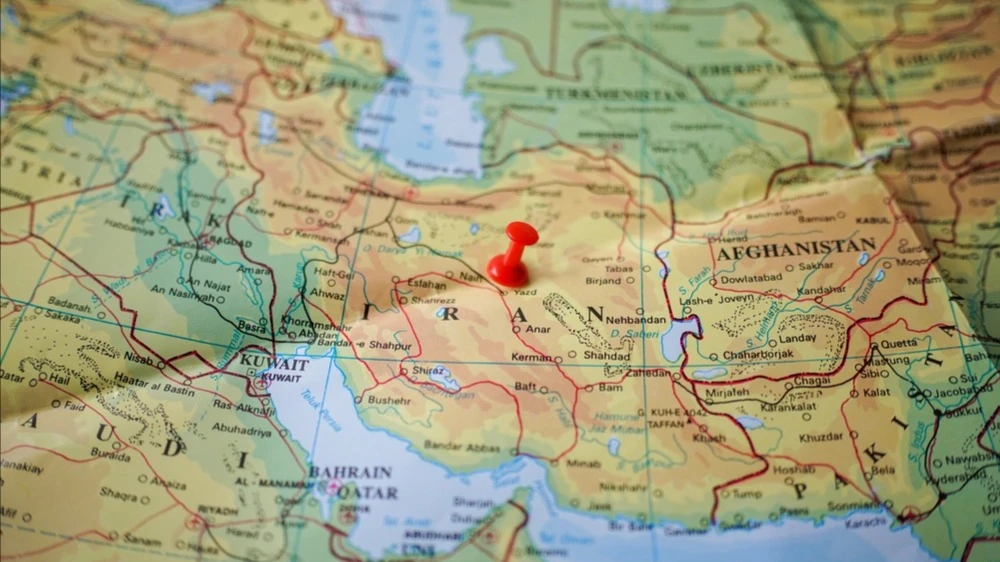
- The worst-case scenario for oil supplies is that Iran could try to close the Strait of Hormuz - a deep-water channel between Iran and Oman - through which about one-fifth of the world's crude supplies from key suppliers, including Saudi Arabia and Iraq, The Wall Street Journal reported. Even minor disruptions to shipping in the Strait of Hormuz could cause a 50 percent drop in tanker traffic, which carries nearly a fifth of the world's oil consumption, said Brigitte Paine, head of energy forecasting at Oxford Economics (quoted in The Wall Street Journal). Such a situation, according to her estimates, could raise oil prices to $84 per barrel. A complete shutdown of transit through the Strait of Hormuz for a week would lead to a sharp rise in oil prices to $140 per barrel, Paine warned, stressing that such a scenario could be a shock to markets, comparable to Russia's full-scale invasion of Ukraine in 2022.
- So far, Iran has not taken any steps to restrict shipping in the Strait of Hormuz, unnamed U.S. officials told The Wall Street Journal. However, despite this, according to the publication, dozens of tankers after the U.S.-Israeli strikes on Iran decided to change course in the Persian Gulf region and "seek refuge in Qatar or the UAE." Thus, according to brokers, a Shell-chartered tanker with cargo that was supposed to cross the Strait of Hormuz on the morning of February 28 is now idle in the Persian Gulf; two other Shell-chartered vessels that were supposed to follow the same route on Saturday are also parked near Iraq.
- Iraq's state-run oil marketing company SOMO said the process to ship oil from the country's southern terminal is "ongoing." Tankers remain in line as scheduled, SOMO head Ali Nizar told Bloomberg.
- In June 2025, during the 12-day war between Israel and Iran in which the U.S. intervened, Brent crude oil prices rose to their highest in more than three years, surpassing the $80 a barrel mark, recalls Ziad Daoud, chief emerging markets economist at Bloomberg Economics. However, when it became clear that Iran's key oil infrastructure had not been damaged by the fighting, that rise quickly faded. According to an analysis of historical events, he points out, oil prices typically rise by about 4% in response to a 1% reduction in supply.
- On Monday, traders are likely to buy up oil, which will lead to higher prices, Bloomberg writes. But how long this trend will last will depend on the events of the next 24 hours and which regions will be involved in the conflict, the agency points out.
Air transportation market
- In addition, amid the escalating situation in the Middle East, travelers can expect serious disruptions in air traffic between Asia and Europe, warned Bloomberg Intelligence aviation and defense analyst Eric Zhu. Indian carriers, especially IndiGo, could be vulnerable, he said, because of their proximity to the Middle East region and lack of airspace over Pakistan. Virgin Australia may also experience problems, the expert noted, as about half of its scheduled international flights are connected with Doha.
- After the U.S. announced the start of a "large-scale operation" against Iran, Wizz Air stopped flying to Israel, Dubai, Abu Dhabi and Amman until March 7. Air France also canceled flights to Tel Aviv, Beirut and back, and Lufthansa made a similar decision.
- Also, Gulf countries including the UAE and Kuwait closed their airspace after Iranian strikes on U.S. military bases in the Middle East. Emirates, the world's largest international airline, said the closure of regional airspace had disrupted a number of flights.
This article was AI-translated and verified by a human editor