The Gulf War has paralyzed a leading gold hub. Will prices spike?
MarketGauge investment strategist Michelle Schneider recommends keeping an eye on silver

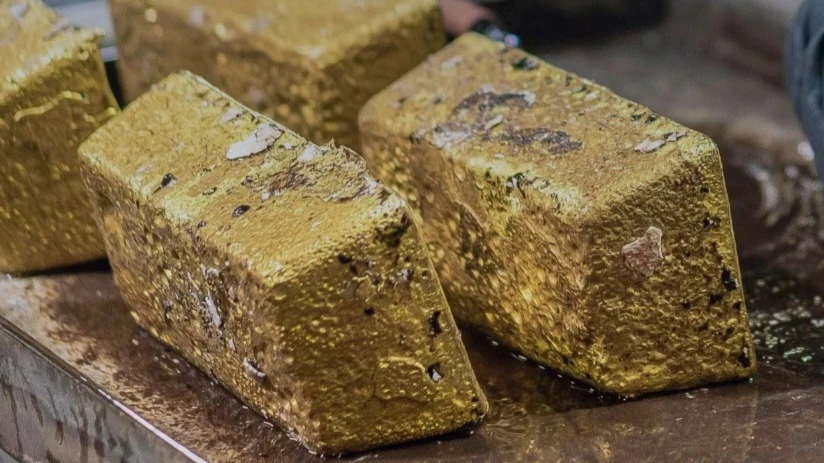
The most obvious "protective asset" - gold - failed in its role during the Iran crisis / Photo: newmont.com
The global system of gold and silver transit has faced a serious problem: the war in the Middle East has led to the suspension of most of the air traffic with Dubai. According to traders' estimates, the situation can increase turbulence in the precious metals market, which has already experienced sharp fluctuations this year.
Details
After the escalation of the conflict in the Middle East began on February 28, most passenger flights from the Gulf countries, which usually carry gold, had to be canceled. A few airliners left Dubai two days ago, but they were not carrying precious metals, prioritizing perishable cargo, sources told the Financial Times (FT). "Nothing is moving anywhere by air right now," one trader stated in a conversation with the FT.
Dubai is the leading hub for physical gold trading: in 2025, the emirate accounted for about 20% of global precious metal flows. If the disruptions with air transportation will be prolonged, it may provoke the growth of local prices on Asian platforms and increase the volatility of quotations, warned traders and analysts interviewed by the British edition.
What about the prices
Three days after the beginning of the escalation of the conflict in the Middle East region, the growth in demand for precious metals suddenly came to naught: on March 3, gold prices fell by 4%, and silver collapsed by 10%. The main reason for the negative reversal is the U.S. dollar - with the onset of the Iranian crisis, the U.S. currency regained its lost status as a safe haven asset, writes Reuters. On March 5, gold rose in price for the second consecutive session, but then still went into a small minus - traded around $5130 per troy ounce. Silver fluctuated between growth and decline during the day, eventually falling 1% into the red zone - to $82.5 - after rising 1%.
What's next
Indian billionaire Joe Alukkas, whose jewelry chain Joyalukkas owns 16 tons of gold, expects a long-term rise in prices of the precious metal. "In the next two to three years, unless there is a real improvement in the overall situation in the world, especially in the U.S. economy and geopolitics, I do not expect a significant correction. Declines are possible, but the general direction remains upward," he said in an interview with Bloomberg from Dubai. But local conflicts are not capable of bringing prices to a fundamentally new level; this requires larger-scale factors: changes in U.S. interest rates, the dollar exchange rate, inflation and the level of confidence of global investors, the jewelry magnate stressed.
In the short term, the main risk to gold and silver is attractive valuations in the bond market, MarketGauge investment strategist Michelle Schneider told profile portal Kitco. "Speculators and traders may start looking at bonds as a safety net more so than gold," the analyst said. She noted that she doesn't yet see enough demand for gold to push prices above $5400.
The main guideline for investors in precious metals should be the gold/silver price ratio, Schneider said. According to her observations, a ratio below 55 is a signal to buy silver, while its rise above 65 indicates the need to look for other assets. "This ratio has been my friend for a very, very long time," she added.
This article was AI-translated and verified by a human editor