"A benchmark in an opaque environment": gold is down 5% after a four-day rally
Fears of high interest rates and a strong dollar put pressure on the price

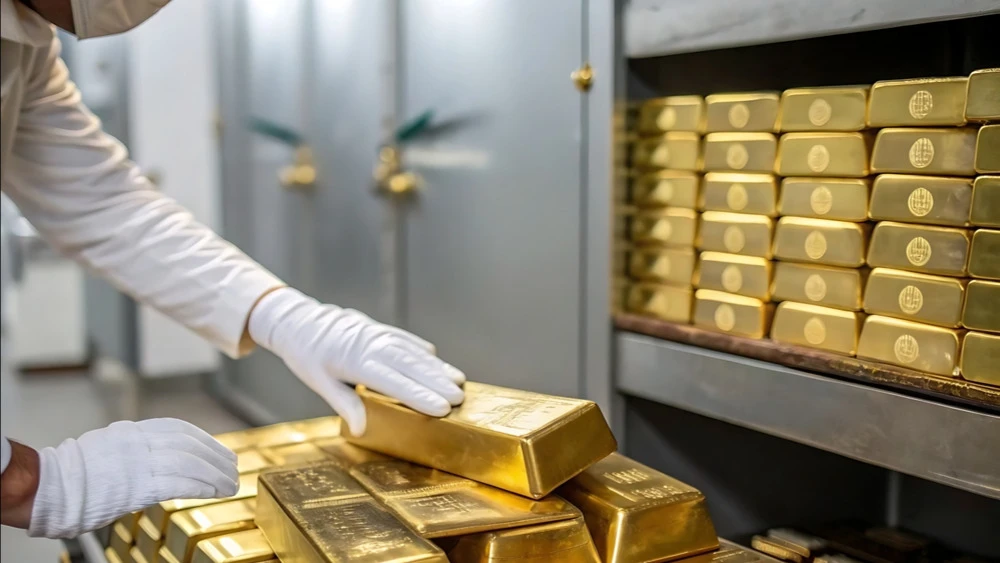
Metal became cheaper due to the strengthening of the dollar / Photo: Royal studio 1 / Shutterstock.com
The price of gold collapsed by more than 5% in trading on Tuesday, March 3, after a four-day rally. Traders are assessing the prospects of a protracted war in the Middle East, and with it the probable further strengthening of the dollar and accelerating inflation. All this is putting pressure on the precious metal, Bloomberg explains.
Details
- Spot gold fell in price on Tuesday by 5.3% to $5034 per ounce, after which quotations slowed down to about 4%. At the same time, they are in the plus 17% since the beginning of the year, helped by global uncertainty, notes Reuters. Futures on the precious metal were falling at the time of publication of this text by 3.8%.
- The silver price collapsed 6% to $83.6.
- The dollar, a rival safe-haven asset to gold, strengthened 0.9% on Tuesday, rising to its highest in more than a month, after rising 1% during the previous day.
- Oil rose by 5.8%, with Mark Brent crossing the $82 per barrel mark.
Why gold is getting cheaper
The conflict in the Middle East has led to a jump in energy prices, which may be reflected in inflation statistics and increase the likelihood that the U.S. Federal Reserve will keep interest rates unchanged longer, Bloomberg forecasts. Traders now estimate 80% probability that the regulator will cut the rate more than once during this year, while on Friday the market was fully laying in prices two rounds of cuts, the agency recalls. Higher rates tend to put pressure on gold, it explains.
So does a stronger dollar - making gold denominated in the U.S. currency less accessible to holders of other currencies, Reuters writes.
BullionVault analyst Adrian Ash cited Barron's as another reason for the fall in precious metals prices. "During periods of broader market stress, traders often sell gold to close out losing positions in other assets," and currency traders are moving back into the U.S. dollar, he notes. "When investors flee into cash, the dollar is still out of contention," Ash said, adding that "gold has lost some of its momentum because of this."
What are the predictions
- "Rising rates could slow the capital rotation in investors' portfolios that has fueled gold's rapid rally in late 2025 and early 2026," JPMorgan analysts wrote in a note quoted by Bloomberg. They expect volatility to persist as long as the conflict in the Middle East continues.
- "The decline in gold prices appears to be due to a flight to liquidity - to cash. The dollar is strengthening and bond yields are rising," RJO Futures senior market strategist Bob Haberkorn told Reuters. - However, the decline is likely to be short-lived, and inflows into safe-haven assets amid geopolitical risks should support higher gold and silver prices."
- "The fall in gold prices is probably due to the fact that the market is now placing more importance on inflation risks arising from the war in the Middle East and therefore reducing expectations for lower interest rates," Thu Lan Nguyen, an analyst at Commerzbank, told The Wall Street Journal. - This also explains why the dollar continues to strengthen." She recalled the experience of 2022, when the outbreak of conflict in Ukraine led to an increase in oil prices and, as a result, accelerated inflation around the world. Then the Fed reacted by raising rates, which strengthened the dollar, and as a result gold weakened throughout the year.
- Overcoming the $5300 mark in gold could mean the beginning of a new phase of global reassessment of risks, says XS.com analyst Rania Goulet, quoted by WSJ. According to her, a rapid de-escalation of geopolitical tensions could reduce the risk premium and trigger a pullback in prices amid profit taking. However, she expects any decline to attract new buyers given the ongoing uncertainty around inflation and interest rates. As long as there are tensions between the US and Iran, and rising oil prices fuel inflationary concerns, gold will be supported by demand for protective assets, the analyst believes. She notes that sharp fluctuations in the price of the precious metal are possible due to the Fed's statements, but overall it should maintain an uptrend. "In this opaque environment, gold remains the most visible benchmark for assessing the anxiety of global markets," explains Goulet.
- "Compared to gold, silver still exhibits significantly higher volatility, with positioning and lower liquidity amplifying intraday swings," warned ING analysts quoted by the WSJ.
This article was AI-translated and verified by a human editor