The market is no longer mortgaging the likelihood of a Fed rate cut this year

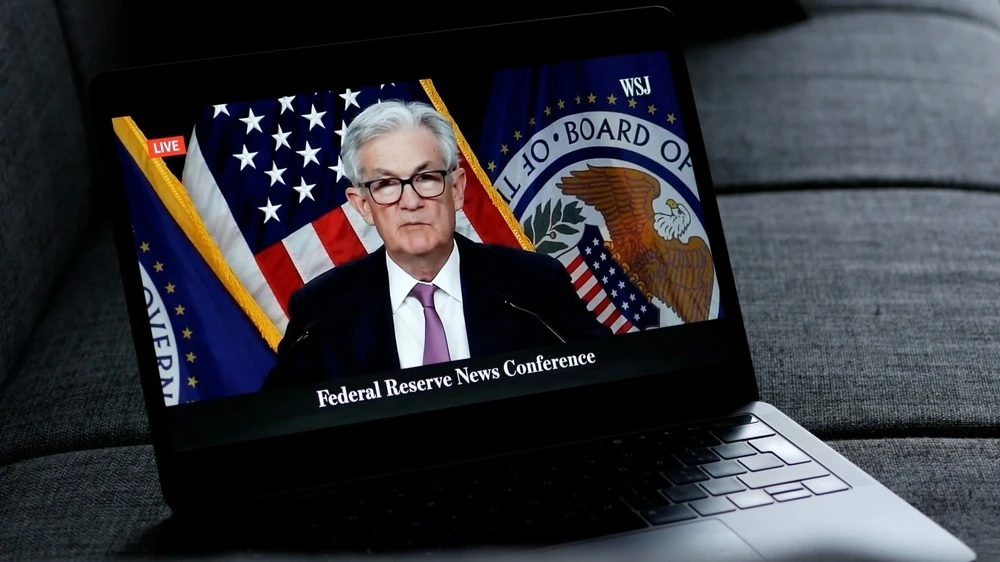
The market has ruled out the scenario of a Fed rate cut in 2026 / Photo: Domenico Fornas / Shutterstock
U.S. Treasury bonds have fallen in price and traders have stopped pledging the likelihood of a U.S. interest rate cut this year. Such sentiment in the bond market Bloomberg recorded after the Bank of England fueled concerns that global central banks may soon have to act to rein in inflation. Meanwhile, some bond market participants are already hedging against a possible rate hike in the coming months, the agency said.
Details
Bond yields in Europe and the U.S. rose across all maturities. In particular, the yield on two-year U.S. Treasuries - the most sensitive to Fed policy expectations - rose 11 basis points to 3.89%.
"It's all driven by the Bank of England's rate decision - markets are now pricing in a 50 basis point hike in 2026. European debt markets are in free fall and this is also pulling up [Treasury bond] yields in the U.S.," said Tom di Galoma, managing director at Mischler Financial Group. Such dynamics, according to him, is determined by the absence of buyers on the bond market - "mostly sales are going on," the expert pointed out. And sentiments are formed by expectations of prolonged conflict in the Middle East: "Now the basic scenario is that the war with Iran may drag on for months, not weeks", - added di Galoma.
Context
Growth of Treasury bond yields accelerated on March 19 amid high trading volumes of futures on them, Bloomberg points out - this happened after the U.S. Department of Labor unexpectedly recorded a decline in the number of new applications for unemployment benefits for the week ended March 14. These data indicate the stability of the U.S. labor market and may further weaken the confidence of the Fed leadership in the need to reduce rates to support employment, the agency explains.
The Bank of England on Thursday, March 19, unanimously decided to keep interest rates unchanged and said it was "ready to act" in the event of a spike in inflation caused by the war in the Middle East. The ECB made a similar decision later on March 19.
On the eve, March 18, the U.S. Federal Reserve kept the rate in the range of 3.5-3.75% for the second time in a row. "The consequences of events in the Middle East for the U.S. economy are unclear", stated the U.S. central bank. Expectations of rate cuts in the bond market have declined in recent months: market participants' assessment of the likelihood that this will happen fell to 18% in June, 31% in July and 44% in September. The main scenario in the run-up to the Fed meeting on March 18 was considered only one rate cut - in December with a probability of about 60%, wrote CNBC.
This article was AI-translated and verified by a human editor