The Fed has kept the rate unchanged for the second time in a row. Prospects for a rate cut are in doubt
It was the regulator's penultimate meeting before Jerome Powell steps down as chairman

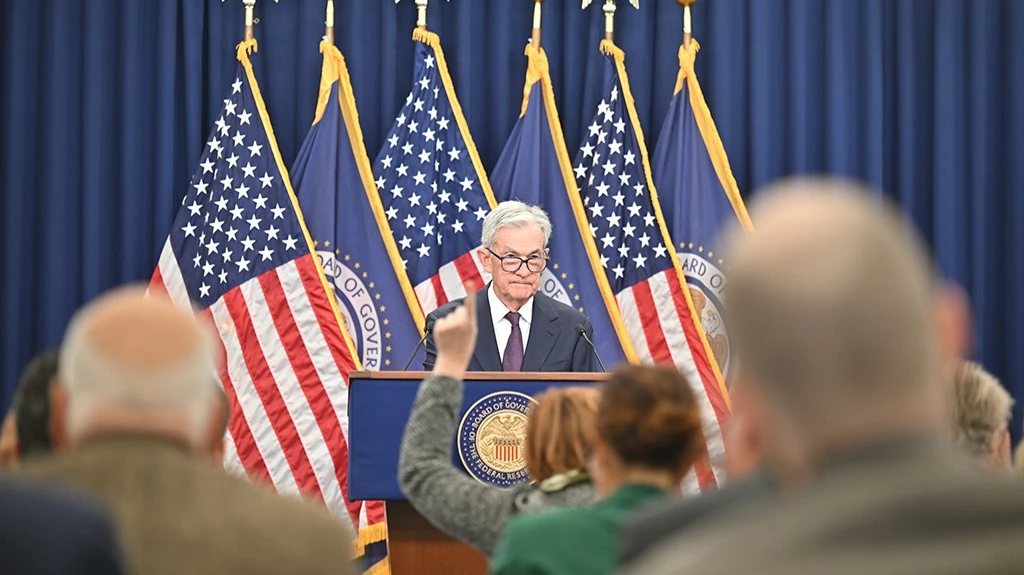
The Fed kept the rate for the second time in a row / Photo: X/Federal Reserve
The U.S. Federal Reserve (Fed) kept interest rates unchanged for the second consecutive time on March 18. However, against the backdrop of persistently high inflation and a spike in oil prices due to the war in the Middle East, the question that had been worrying the markets has changed. Whereas before investors were trying to guess when the Fed would start cutting rates, now it's whether monetary policy will ease at all this year, Barron's writes.
Details
The Fed kept the rate in the range of 3.5-3.75%, according to the message on the regulator's website. The decision is fully in line with the expectations of economists and market participants.
The Fed estimates that US economic activity is growing at a "solid pace", but job gains remain weak and the unemployment rate has been little changed in recent months. Inflation remains "somewhat elevated," the regulator said. "Uncertainty about the economic outlook remains elevated. The implications of events in the Middle East for the U.S. economy are unclear," the Fed said in a statement.
Only one member of the Federal Open Market Committee (FOMC) voted against keeping the rate on hold: Stephen Miran favored a quarter percentage point cut. Christopher Waller, who at the last meeting in January together with Miran proposed a rate cut, this time joined the majority.
The regulator also kept the benchmark interest rate unchanged in January - after three consecutive cuts in 2025.
How the market reacted
The S&P 500 U.S. broad market index was falling 0.75% shortly after the regulator's decision was published, while the Dow Jones blue-chip index was losing 1% and the Nasdaq Composite was down 0.8%. The Russell 2000 index of small capitalization companies was down 0.5%.
On March 18, the main U.S. stock indices declined from the beginning of the trading session, including against the background of rising oil prices, escalation of the conflict in the Middle East, as well as the data on wholesale inflation in the U.S., which exceeded expectations.
What's next?
The median forecast of FOMC members assumes one quarter percentage point cut in interest rates in 2026 and another similar cut in 2027. These estimates are unchanged from those the Fed gave in December 2025.
The combination of tighter inflation and cooling U.S. economic growth is not enough to force the Fed to raise or lower rates, but significantly complicates decision-making, Barron's notes.
"The threshold for rate cuts has risen. The Fed is facing conflicting signals," Barron's quoted Amova Asset Management 's chief global strategist Naomi Fink as saying. The regulator made its decision in the context of persistently high inflation - the Core Personal Consumption Expenditure Index (Core PCE), which does not take into account volatile food and energy prices and is the most preferred indicator for the US Fed - reached 3.1% in January in annualized terms. Inflation in the U.S. could rise further due to rising energy costs, Fink noted. The decision of the U.S. central bank was also influenced by the slowdown in the economy: weakening hiring in the U.S., lower consumer spending, as well as GDP growth of only 0.7% in the fourth quarter of 2025 instead of the 1.5% expected by analysts.
Markets have already begun to reflect this tension. Expectations of a rate cut have fallen sharply in recent months: market participants' assessment of the probability that it will happen in June fell to 18%, in July - to 31%, in September - to 44%. The main scenario is now considered only one rate cut - in December with a probability of about 60%, reports CNBC.
Analysts at Barclays on March 13 also shifted their forecast for the first Fed rate cut this year from June to September, pointing to increased inflation risks due to the conflict in the Middle East, Reuters wrote. At the same time, analysts shifted the expected December rate cut to March 2027, and now forecast only one rate cut of 25 basis points this year.
Central banks usually ignore inflation shocks caused by rising energy prices, especially if they are associated with supply disruptions, Barron's writes. But the current shock has come at a critical moment: inflation has been above the Ma's 2% target for five years, and the regulator has little room for "the risk of looking too soft," the publication points out. "The Fed is effectively operating with limited visibility. In such a situation, the safest approach is to stick to the current course," said Erasmus Kersting, an economist at Villanova University.
"When the Fed's two key goals - containing inflation and supporting employment - start to contradict each other, it inevitably sparks discussion. And the reality is that we don't have the luxury, like other central banks, of simply ignoring inflation - we're now in our fifth year of living above target on it, and the risk of it strengthening is growing every day," Bloomberg quoted KPMG chief economist Diane Swank as saying.
Context
On March 16, US President Donald Trump demanded that the Federal Reserve hold a "special meeting" and cut interest rates "right now." "What better time to cut interest rates than right now? Even a third grader knows that," Trump said (quoted in WSJ).
In contrast, a survey of former Federal Reserve employees and officials showed growing support among them for raising interest rates amid accelerating inflation related to the conflict with Iran, MarketWatch reports. According to the latest quarterly survey of 28 respondents, more than 20% of them believe a rate hike is appropriate as early as this year, up from less than 5% in December. The share of those who expect a rate cut in 2026 among respondents fell to 30% from 40% in the previous survey. At the same time, most respondents believe the Fed is likely to keep current policy unchanged this year.
The news is complemented by...
This article was AI-translated and verified by a human editor