"The Neoclouds Are in Big Trouble": Steve Eisman Names the Main Victims of the Nvidia Scandal

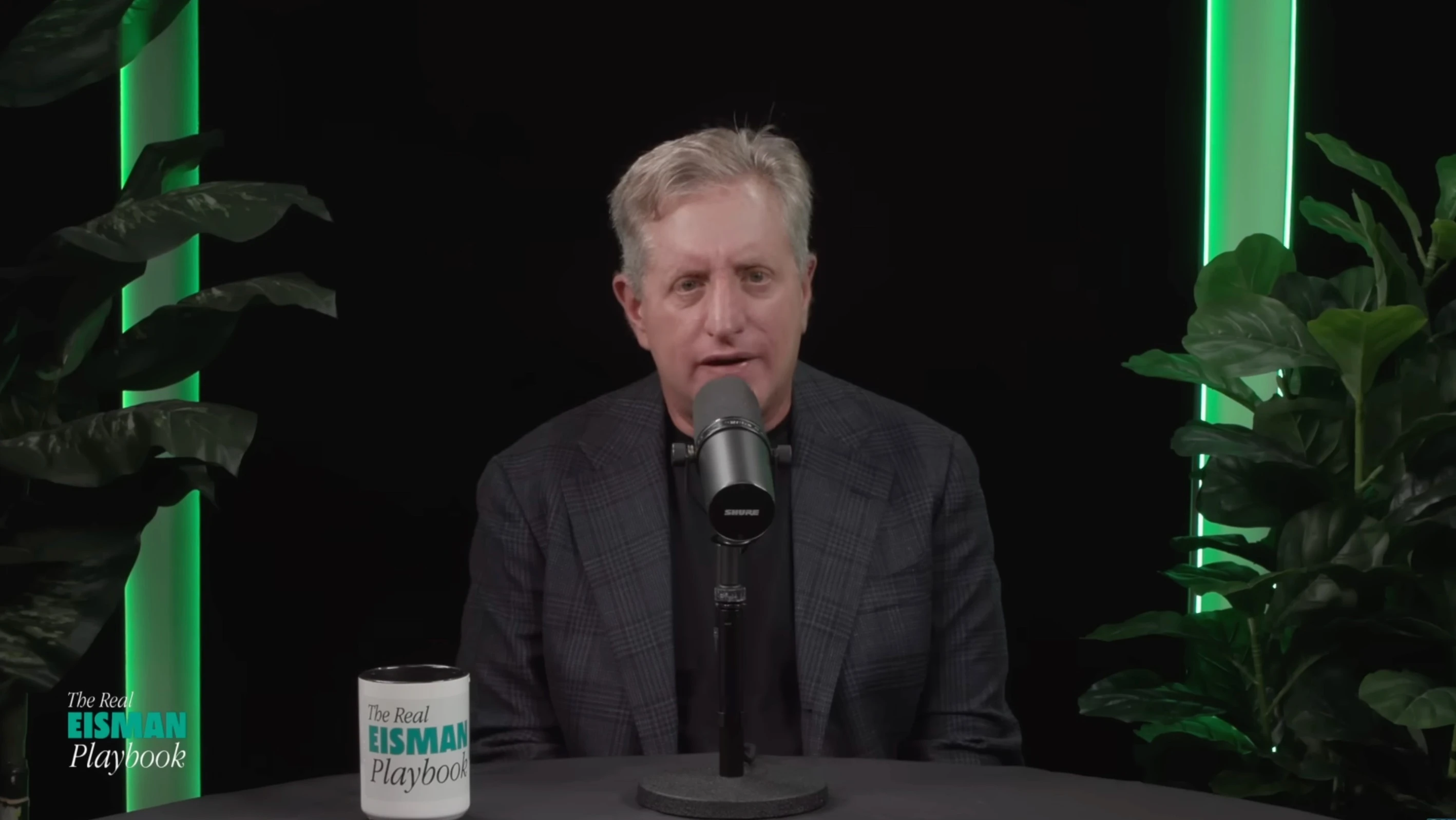
Screenshot: Steve Eisman / YouTube
The Nvidia scandal, which continues to affect the markets, will hit so-called “neoclouds”—companies that lease computing power for AI—the hardest, investor Steve Eisman, known for the film “The Big Short” and who successfully predicted the 2008 housing crisis.
“Nvidia was essentially a ‘virtual vertically integrated holding company,’ and now that structure is falling apart,” Eisman believes. “I think Neocloud is in big trouble because they were part of that vertically integrated holding company, and I believe they’re about to be kicked out of it,” he speculated.
These are companies that are building data centers with borrowed funds to handle AI workloads: over the past three months, CoreWeave and Nebius shares have fallen by more than 50%. In addition, as CNBC notes, investors are concerned that, amid tighter scrutiny of Nvidia’s revenue in China, the company may scale back its funding aimed at supporting the AI industry.
Not just Nvidia
Another source of uncertainty is the public debut of AI model developer Anthropic, expected on Thursday, amid lingering doubts about its potential profitability. Eisman believes that this offering is no longer as significant for the AI sector, as market expectations have declined. “I don’t think anyone really cares about this anymore,” the investor said. Instead, he focused on the extent to which Democrats will restrict the construction of data centers once they take control of the U.S. Congress in January: “I think the biggest issues right now are how much state authorities will slow down the construction of AI data centers: will it be a 100% moratorium? That would obviously plunge the country into a recession overnight. Or will it be something like 10–30%?” Eisman wondered.
If data center construction slows by 10–30%, hyper-scale providers will fare best among AI-related companies, according to the investor’s assessment: “Their cash flow will turn positive again,” concluded Aizman.
Context
Pressure on cloud providers has been mounting for more than a week: CoreWeave and Nebius’s quarterly earnings reports triggered sharp double-digit swings in their stock prices, and analysts are debating whether the companies will be able to turn demand for computing power into sustainable profits. As of the end of September, CoreWeave had increased its order backlog to $132.5 billion, but it still needs significant additional capital to build data centers. Nebius, for its part, will not receive a portion of the revenue expected in December until 2027, and the company is now targeting the lower end of its annual forecast.
This article was AI-translated and verified by a human editor