Russell 2000 leads Monday's rally. How should investors play the rest of the week?

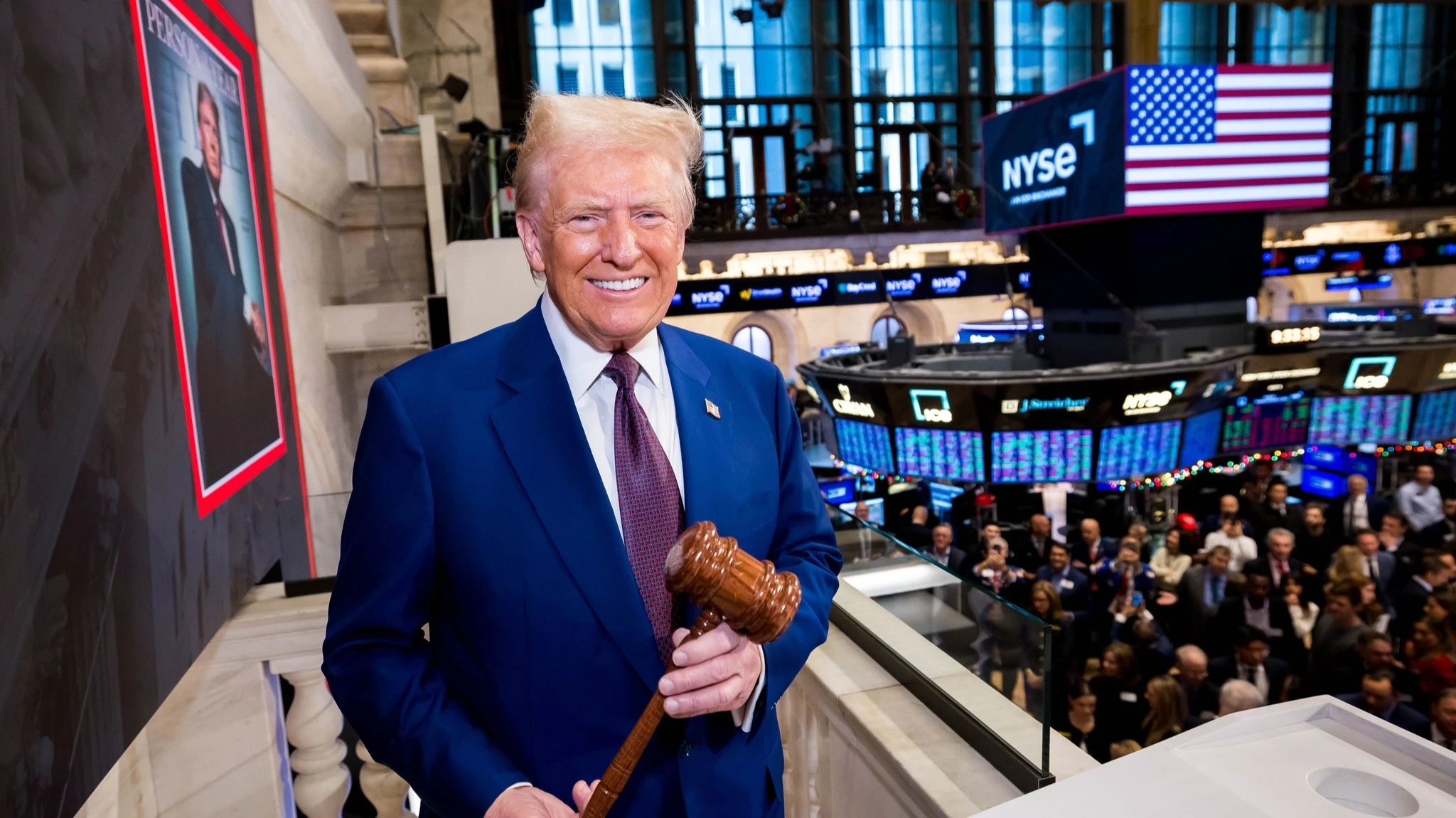
The Russell 2000 soared after a Trump Truth Social post on the Iran war / Photo: Facebook / NYSE
The Russell 2000, the benchmark for small-cap stocks, rose 2.30% on the day Monday after U.S. President Donald Trump said the U.S. and Iran had “productive conversations,” following a correction on Friday. The iShares Russell 2000 ETF (IWM) gained 2.15%. The rally is expected to continue into Wednesday and Thursday, after which traders should pause and take near-term profits, says Jay Woods, chief market strategist at Freedom Capital Markets.
Details
Investors should pay close attention to small-cap stocks this week, said Jay Woods, chief market strategist at Freedom Capital Markets, as cited by CNBC.
The Russell 2000 rose 2.30% on Monday after Trump said the U.S. and Iran had “productive conversations” over the weekend regarding a resolution to the conflict in the Middle East. IWM, which tracks the index, gained 2.15% to $247.45 per share.
The Russell 2000 outperformed all major U.S. indexes on Monday. The broad-market S&P 500 gained 1.15%, while the tech-heavy Nasdaq Composite rose 1.38%, matching the increase in the Dow Jones.
This marked one of the most notable single-day recoveries for the Russell 2000 in recent months, Noble Capital Markets writes. On Friday, the small-cap index became the first of the major U.S. indexes to enter correction territory, falling more than 10% from its peak.
Implications for investors
The market is attempting to recover from last week’s selloff, Woods said in comments to CNBC. He expects that “a relief rally to continue into Wednesday, Thursday, and as we get closer to the weekend traders should pause to see what the situation is, and then take some near-term profits on this relief rally.” Woods is watching whether IWM can hold above $242 per share.
Small caps are both attractive and risky, and periods of heightened risk often come with big opportunities, Noble reminds. During periods of market stress, the Russell 2000 typically declines more than large-cap stocks, but it also tends to recover faster, BofA strategist Jill Carey Hall wrote.
Context
The Russell 2000 was the top-performing major U.S. index at the start of 2026, supported by optimism around Fed rate cuts and a rotation out of large-cap tech stocks, Noble wrote. In January alone, the index posted eight record highs.
Since then, however, the index has given up all of those gains – and is now down 0.25% year to date.
The downturn was triggered by the conflict in the Middle East and the resulting rise in oil prices, Noble believes. Its analysts say smaller companies are more exposed to rising input costs, tighter credit conditions, and weakening consumer demand – precisely the mix of pressures associated with an oil-driven shock.
