The S&P 500 and Nasdaq ended their best month since 2020 with records
The dollar, on the other hand, has its worst month since June 2025

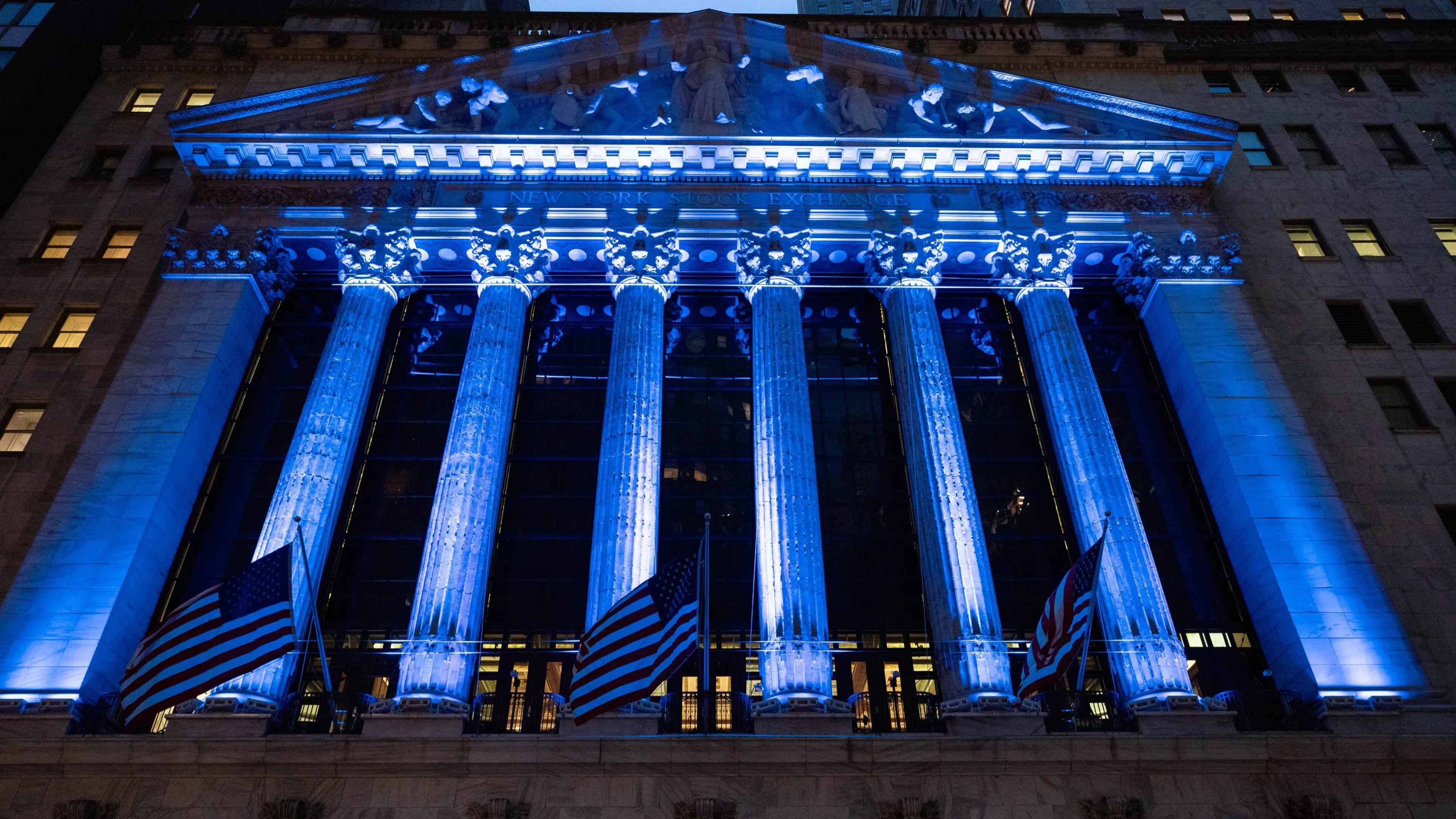
The US stock market rose on the last day of April / Photo: X/NYSE
April was the best month of gains for the S&P 500 and Nasdaq Composite indices since 2020. The dollar, on the other hand, had its worst month since June 2025. All four major U.S. stock market indexes rose on the last day of the month, with the Dow Jones and the Russell 2000 index of small and mid-cap companies rising the most. June Brent crude contracts hit a four-year high in trading on Thursday, but then declined sharply and began to fall in price.
Details
- The S&P 500 broad market index rose 1% on April 30 to close at 7209.01 points. This is a new record at the close, and during the day the all-time high for the index was also set. Through April, the index is up more than 10%, its best performance since November 2020, CNBC noted.
- The blue-chip index Dow Jones Industrial Average added 1.6% to 49,652.14 points.
- The Nasdaq Composite Technology Sector Index rose 0.89% to end trading at 24,892.31 points. The index also updated the record.
- The Russell 2000 index of small and mid-capitalization companies rose more than 2%.
- The CBOE Volatility Index (VIX), known as the "Wall Street Fear Index," was down about 10% and was below 17 points. The psychological mark indicating high volatility is considered to be 20 points.
- Brent crude contracts for delivery in June fell 3.3% to $114.1 per barrel, while WTI contracts fell 1.7% to $105.1 per barrel.
- Spot gold prices rose 1.5% to $4617 a troy ounce, while silver climbed 3.3% to $73.63.
- Bitcoin was up about 1.1 percent to $76,368, CoinGecko shows.
The news is complemented by...
What drove the market
The S&P 500 and Nasdaq Composite posted their best monthly gains since 2020 amid strong corporate earnings performance outweighed the oil shock from the U.S. war against Iran in the eyes of investors, Reuters said.
Brent crude oil prices rose to a four-year high in trading on April 30, but then retreated. U.S. GDP grew at a 2% annualized, seasonally adjusted and inflation-adjusted rate in the first quarter - slightly below analysts' expectations of 2.2%, according to The Wall Street Journal. Inflation (PCE Consumer Price Index) accelerated to 3.5% year-over-year in March, reaching its highest level since August 2023. While both values are in line with economists' expectations, they were significantly higher than February's values.
The industry, led by shares of Caterpillar (+10%) on Thursday provided a surge in the Dow, writes Reuters. Shares of four companies from the "Magnificent Seven", which reported a day earlier, showed themselves differently. Shares of Alphabet jumped 10%, Amazon - by 0.77%, while the securities of Meta fell by 8.6% and Microsoft - by 4%. For Alphabet shares, April was the best month since 2004. Intel shares more than doubled in April, which was their best monthly result in 55 years of trading on the Nasdaq exchange.
Intel was the leading stock in the S&P 500 for April, adding 114%, Barron's writes. The securities of Intel's closest competitor AMD rose by 74%. Sandisk (+73%) and Seagate (+72%) showed similar results. The only stock in the top 5 outside the technology sector was Centene, which rose by 64%. The worst performing stock of the month was Charter Communications, down 24%, with Tractor Supply, Insulet, Nike and EPAM Systems also among the weakest. Nike's stock fell 16% after a weak outlook in early April.
What the analysts are saying
- "The abundance of economic data has reduced investor fears. In addition, the market has gotten some pretty good earnings data from a lot of different companies and we see that effect extended today," Murphy & Sylvest senior equity advisor and market strategist Paul Nolte told Reuters.
- "As long as the economy continues to grow and companies are able to increase earnings, we could see a higher stock price even in the face of higher energy costs and inflation," said Northlight Asset Management Chief Investment Officer Chris Zaccarelli (quoted by Bloomberg).
- "Equities were also supported by solid first-quarter results and economic data that showed limited signs of deterioration [in the situation]. However, ongoing geopolitical uncertainty, particularly around Iran, and its implications for growth and inflation are likely to keep volatility elevated," said Adam Turnquist, senior technical strategist at LPL Financial, as quoted by Bloomberg.
This article was AI-translated and verified by a human editor