Brent falls from four-year highs amid possible escalation of war in Iran
Investors react to possible US special operation against Iran

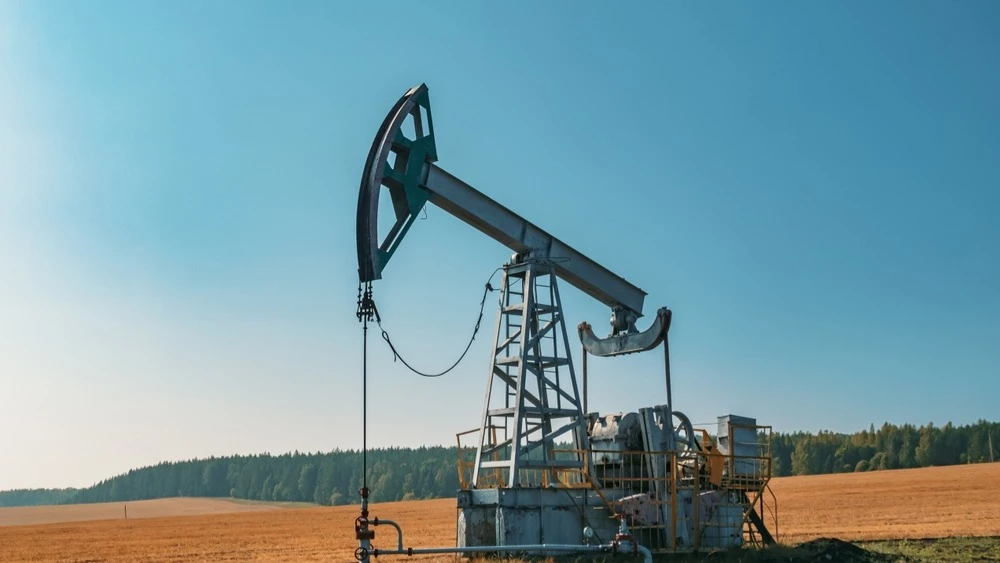
Oil futures fell in trading on Thursday, April 30. Photo: Evgenii Bakhchev/Shutterstock
Oil futures changed direction after reaching a four-year high and fell to $113 per barrel in trading on Thursday, April 30, after jumping above $125 at the beginning of the trading day. The reversal came amid reports that U.S. President Donald Trump is considering escalating the military conflict with Iran, MarketWatch reported.
Details
West Texas Intermediate (WTI) crude for June delivery fell 2.3% to $104.6 per barrel, although it was close to $111 at the start of the trading session. Brent crude futures for June delivery, meanwhile, fell more than 3% from the previous close to $113 a barrel - after rising to $126.41 early Thursday morning, the highest level since 2022.
The markets demonstrated such dynamics against the background of Axios reports that on Thursday, April 30, Trump will receive operational information from the head of the U.S. Central Command Brad Cooper on possible further military action against Iran. According to Axios sources, the U.S. military has prepared a plan for a "short and powerful" strike against Iran, the targets of which are likely to be energy infrastructure facilities.
Mohamed El-Erian, chief economic adviser at Allianz and former PIMCO CEO, wrote on social networking site X that markets are focused on three main concerns, including the stalemate in the Middle East conflict with the risk of further escalation, depleting energy reserves in Asia and Europe, and structural uncertainty in Gulf supplies.
Context
The conflict in the Middle East, which began on February 28, has been going on for more than two months. Energy supplies through the Strait of Hormuz amid a double blockade by the US and Iran remain extremely low, and supply disruptions have been the main reason for the sharp rise in oil prices.
News of a possible escalation of conflict in the Middle East has further undermined hopes for the reopening of the Strait of Hormuz, MarketWatch adds. Trump told Axios on April 28 that he would not lift the naval blockade of Iranian ports until Iran agrees to a new nuclear deal on Washington's terms.
This article was AI-translated and verified by a human editor