The U.S. Senate Banking Committee has endorsed Kevin Warsh's nomination to head the Fed

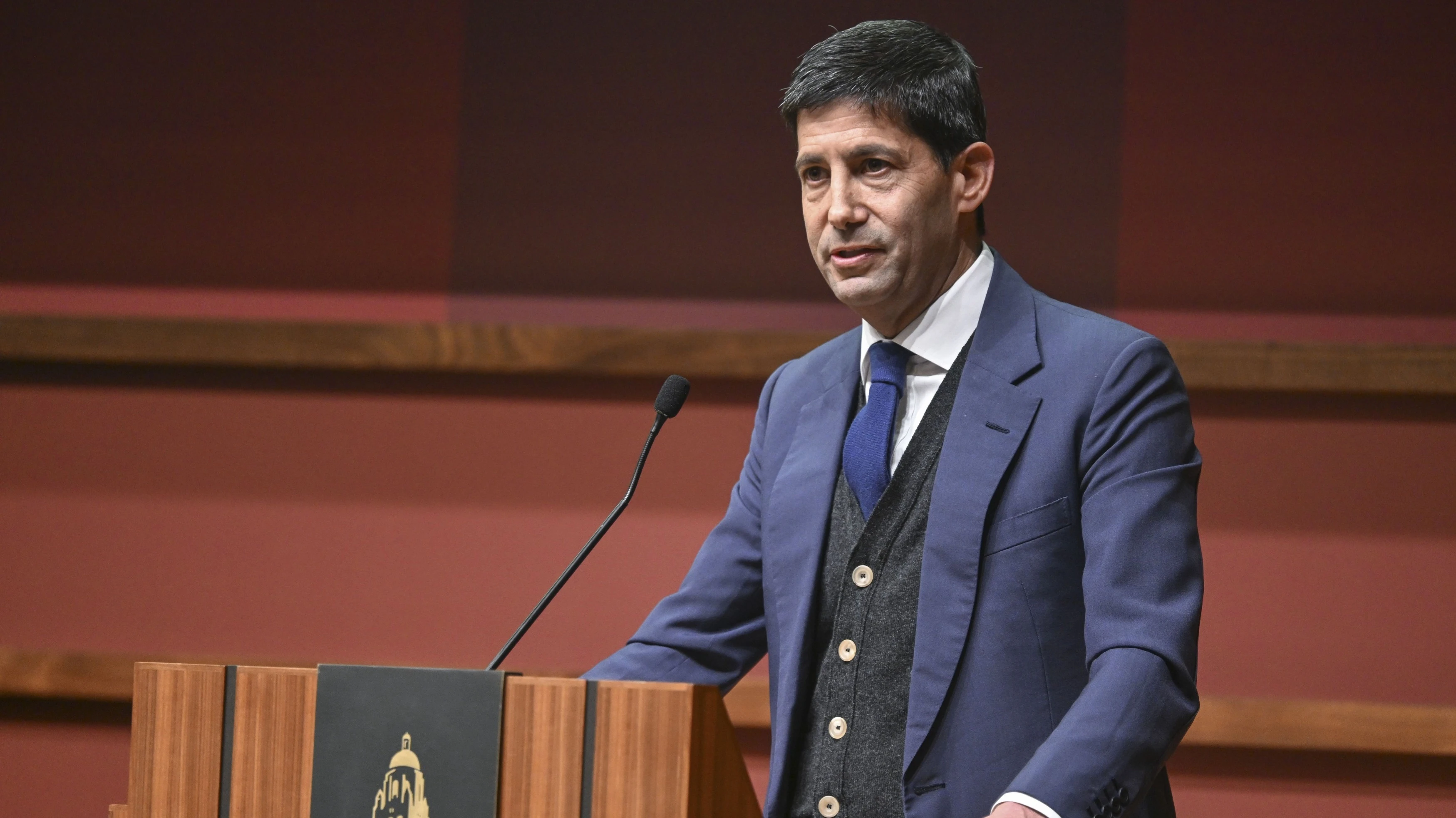
The Senate Select Committee advanced the confirmation of Kevin Warsh's nomination to head the Fed / Photo: hoover.org
On April 29, the Banking Committee of the U.S. Senate approved the nomination of Kevin Warsh for the post of the head of the Federal Reserve System (Fed) of the United States and sent it to a vote of the full House, where the majority belongs to the Republicans, Reuters reports. Thus, the agency points out, Warsh overcame a key obstacle on the way to confirmation in the U.S. Senate.
Details
The decision in the Banking Committee was along party lines: all 13 Republicans on the committee backed Warsh after North Carolina Senator Thom Tillis withdrew his objections to his nomination. He changed his position after the U.S. Justice Department dropped a criminal investigation into Jerome Powell, which he said jeopardized the U.S. Federal Reserve's political independence.
All 11 Democrats on the committee voted against Kevin Warsh's nomination, expressing doubts that he would be able to conduct monetary policy regardless of US President Donald Trump's wishes, the agency noted.
Context
On April 29, the current chairman of the U.S. Federal Reserve Jerome Powell will hold a meeting, which is likely to be his last as the head of the agency, and then will speak at a press conference. It is expected that Powell may clarify whether he intends to remain on the board of governors after his term as Fed chairman ends on Ma. 15, The Associated Press reported. He holds a separate position as a member of the Fed's board of governors with a term through January 2028. Fed chairmen typically leave the board after their mandate ends, but Powell has conceded he could stay on. If that happens, he would become the first Fed chairman to remain on the board of governors since 1948, the agency noted. Currently, three of the seven members of the Fed's board of governors have already been appointed by US President Donald Trump.
Powell's possible decision to stay in the Board of Governors may increase tensions with the U.S. presidential administration and create a situation that some analysts call the "two popes" scenario - when the current and former Fed chairmen are simultaneously on the Board of Governors, AP notes. In this case, disagreements within the regulator may intensify if some members will be oriented to the position of Powell rather than Warsh, the agency points out.
What is Kevin Warsh known for
Kevin Warsh, 56, is a former member of the Fed's Board of Governors and a successful investor. Worsh was nominated by Trump in January to replace Jerome Powell, whose term expires on May 15, as the 17th chairman of the U.S. central bank.
Powell's eventual successor believes the Fed should move more quickly on monetary policy, rely more on market signals, and reduce its role in banking and financial regulation. In particular, he favors lower interest rates and a reduction in the Fed's $6.7 trillion balance sheet.
At the same time, Warsh's ability to realize his ambitious agenda remains in question amid persistent US inflation, rising oil prices and the increasingly hawkish bias of the Federal Open Market Committee (FOMC), Barron's notes. Its plans could face serious constraints - especially if the war with Iran, which began on February 28, drags on, the publication adds.
You can read more about Warsh in our materials:
Context
The change of the Fed's leadership comes amid a highly uncertain macroeconomic situation, which puts the Fed in a difficult position, AP notes. The labor market in the U.S. is giving conflicting signals. Hiring has virtually stopped, making it difficult for the unemployed to find work. In such conditions, the Fed usually cuts rates to support demand and employment. But at the same time, however, inflation accelerated to 3.3% in March - a two-year high - largely due to soaring energy prices caused by the conflict in the Middle East - preventing the Fed from cutting rates at a rapid pace.
This article was AI-translated and verified by a human editor