The yuan has jumped to its highest since 2023. What does this have to do with the US government debt?
Bank of America and Goldman Sachs forecast further appreciation of the yuan against the dollar in 2026

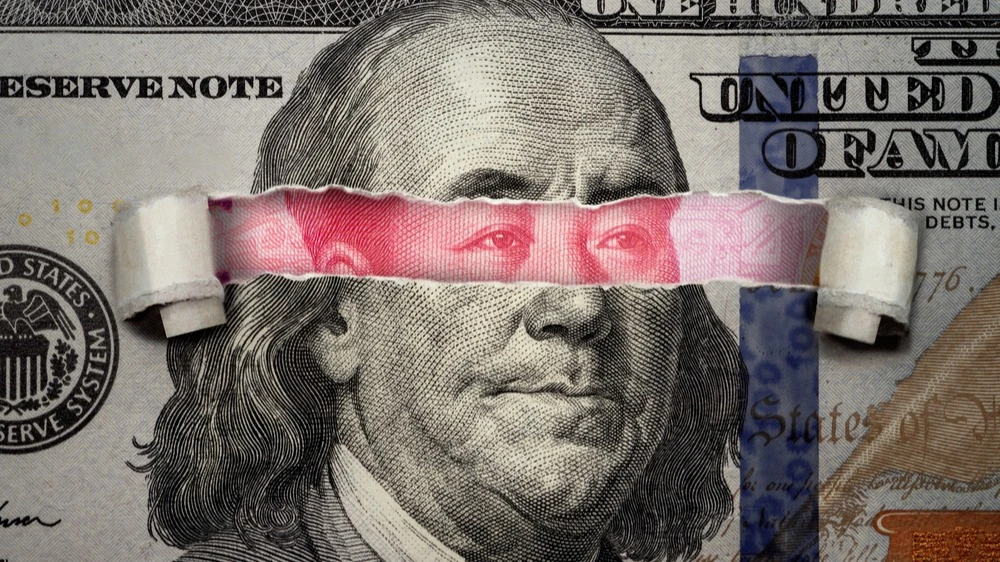
The yuan exchange rate rose to 6.9 per dollar for the first time since mid-May 2023 / Photo: Shutterstock.com
The yuan exchange rate strengthened to a record level since Ma 2023 after the news that Beijing asked Chinese banks to reduce investments in U.S. Treasury bonds. China is not the only country concerned about the risks of investing in U.S. government debt: similar doubts may be present in Europe and other Asian countries, experts say.
Details
In the morning of February 10, the yuan exchange rate rose to 6.9 per dollar, close to a 34-month high on the news that the Chinese regulator urged banks to limit investments in U.S. government debt, reports Trading Economics. Financial institutions in China were recommended to reduce portfolios of trejeris and cut positions with high exposure: regulators explain it by concentration risks and the need to minimize the effects of uncertain economic policy of Washington, Bloomberg reported citing sources.
Beijing's demand could accelerate the repatriation of capital to Chinese assets, providing support for the yuan, the agency said.
What the analysts are saying
In the opinion of Bloomberg investment strategist Mark Cranfield, the Chinese authorities' warning about the treasuries reflects the sentiment that is probably already circulating quietly in financial circles in Europe and Asia. The expert believes that this is a positive factor for the yuan as global investors seek to diversify their investments in favor of alternative currencies.
"The continued appreciation of the Chinese yuan appears to be the central factor driving the broader dollar sell-off. In doing so, the People's Bank of China is shifting from maintaining a stable exchange rate to a greater tolerance for a strong yuan," said Pepperstone Group analyst Chris Weston.
The main reason for the dollar's fall is now a technical factor: investors are massively closing long positions opened in anticipation of a tight monetary policy of Kevin Warsh, writes Reuters with reference to Moneycorp strategist Eugene Epstein. The nomination of a hawkish candidate to head the U.S. Federal Reserve earlier broke the trend of weakening of the U.S. currency, but now the market is playing back this movement by folding the Warsh trade, Epstein stated.
Context
Since the end of September 2025, the yuan has added about 3%, becoming the third fastest growing among Asian currencies, Bloomberg writes. Much of the yuan's growth is due to dollar weakness caused by uncertainty surrounding the fiscal and trade policies of President Donald Trump's administration. The Chinese currency was also supported by a higher tolerance of the Chinese central bank to yuan appreciation and a sharp rise in capital inflows into the country, the agency notes.
In early February, Bank of America improved its yuan forecast. According to the updated assessment of BofA, by the end of the third quarter of 2026, the Chinese currency will be 6.7 per dollar instead of the previously expected 6.8. Goldman Sachs expects the yuan to strengthen to 6.8 and 6.7 per dollar in 6 and 12 months, respectively.
This article was AI-translated and verified by a human editor