'There are no sensible options': what Howard Marks advises investors to do against the backdrop of war
The co-founder of Oaktree Capital Management believes that investors should not change anything in their portfolio because of the escalation in the Middle East

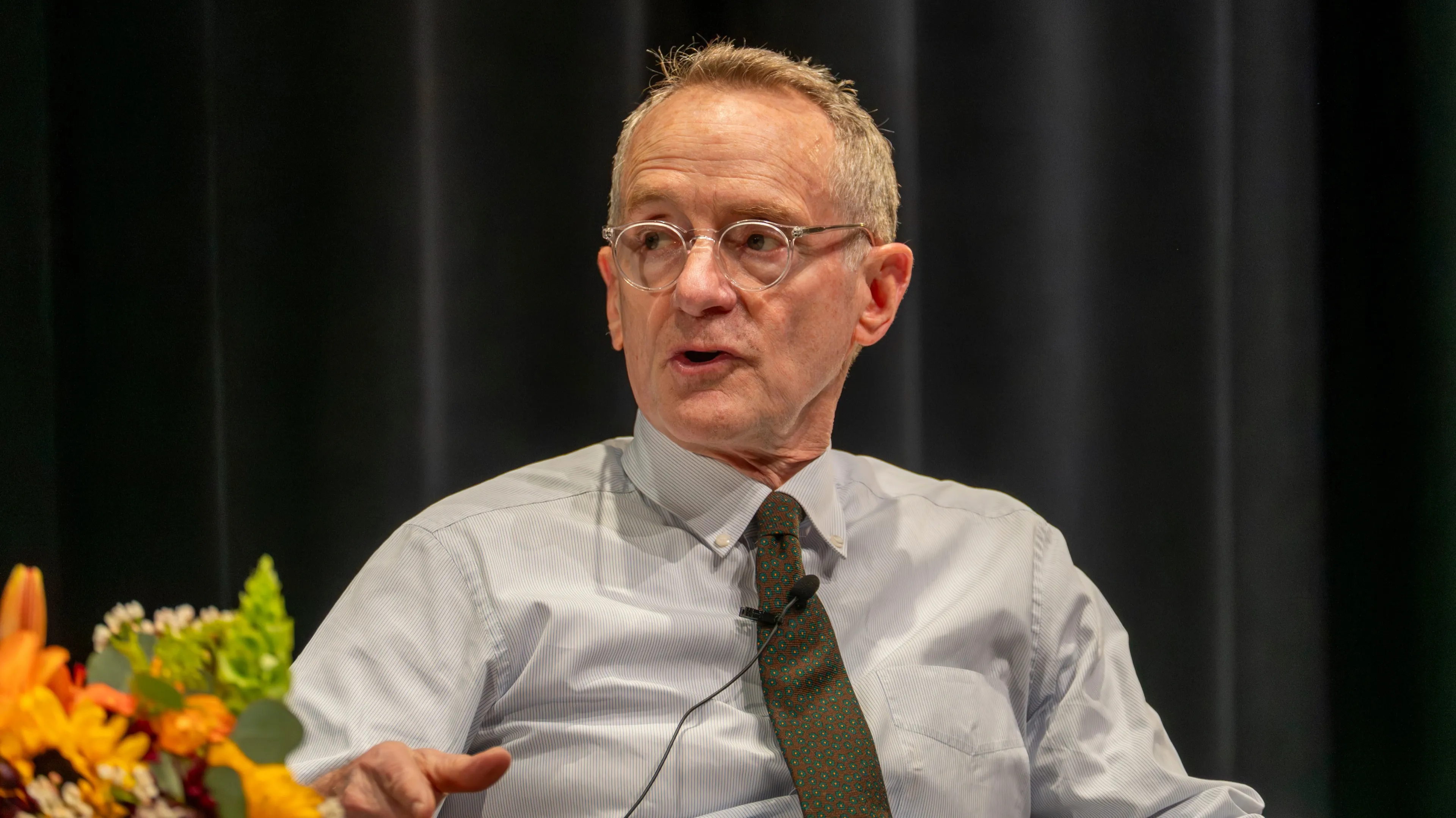
Billionaire Howard Marks believes that investors often ignore negative signals due to cognitive dissonance / Photo: Pepperdine University
Co-founder of Oaktree Capital Management, billionaire Howard Marks believes that it is extremely important for investors to avoid emotional decisions amid the escalating conflict in the Middle East, Bloomberg reports. In his opinion, there are too many unknowns in the market now, so it will not be possible to take any reasonable steps.
Details
"The main thing to consider is how much we don't know," Howard Marks said during a video link at a business summit in Sydney. The investor said no one can now predict the length of the war, its scale or the final outcome. "Because we don't understand the significance of what's happening, there's probably nothing sensible that can be done right now," he stressed.
He notes that investors often ignore negative signals because of cognitive dissonance: "Instead of gradually adapting to new information, people and markets tend to resist it for a while and then suddenly give up." Marks believes that under such conditions, investors can easily succumb to emotions, but this will not benefit the portfolio.
Marks' skepticism is not shared by Franklin Templeton head Jenny Johnson, who said during the same summit that the conflict would not last more than five weeks.
Context
The joint US-Israeli operation against Iran, which began on February 28 and led to the death of Iran's supreme leader Ali Khamenei, triggered a chain reaction in the markets. The cost of Brent crude oil exceeded for the first time since 2024
to the maximum since July 2024 amid fears of supply disruptions due to the closure of the Strait of Hormuz, the yen for gas in Europe soared by almost 40%. The dollar, which investors this time preferred to gold as a safe haven, strengthened 0.9% to its highest in more than a month. Stock markets reacted to the escalation by increasing volatility: the VIX "fear index" rose to a three-month high.
This article was AI-translated and verified by a human editor