The war won't be long, says an investor waiting for gold at $10,000. What is his advice?
The president of Yardeni Research believes the current campaign will not be a repeat of the protracted crises of the 1970s and advises profit taking in gold and oil


Gold rose more than 3% amid war in the Middle East / Photo: Shutterstock.com
A large-scale U.S.-Israeli military operation in the Middle East will not escalate into a protracted conflict, believes Yardeni Research President Ed Yardeni, who previously predicted the price of gold would rise to $10,000 by 2030. In an interview with CNBC-TV18, he said he expects a ceasefire within days or weeks, as Tehran's military capabilities have been completely undermined and the Donald Trump administration's goals are being achieved "pretty quickly." Yardeni believes investors should lock in profits in gold and oil as soon as the situation stabilizes.
Details
"I don't think this war will last long. President [Trump. - Oninvest] talked about a few weeks, but I'm not sure it will last even that long," Yardeni said. In his assessment, Iran has already suffered a strategic defeat and is left without defense systems, allowing US and Israeli aircraft to "fly directly over Tehran without any interference."
Yardeni is confident that the current military campaign will not be a repeat of the protracted crises of the 1970s, when the oil embargo and the Iranian revolution triggered double-digit inflation and market collapse. He believes that the neutralization of the Iranian threat eliminates a key factor of instability in the Middle East: according to the analyst, the victory of the U.S. and Israel in this conflict will reduce the geopolitical risk premium in the value of gold and oil.
"Stabilization in the Middle East will argue for lower oil prices - that's a huge plus for emerging markets that import fuel. The stocks of these countries look very strong and I think they will continue to rise"

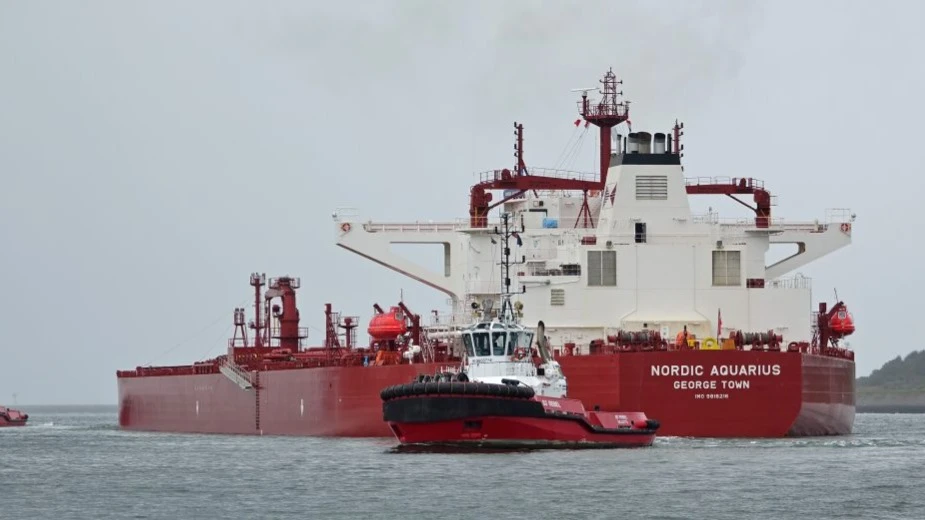
In addition, the analyst advises investors to prepare for a ceasefire soon and fix profits in oil and gold, because their speculative growth on the background of the war has already begun to fade. Commenting on the situation in the Strait of Hormuz, Yardeni explained that the waterway is not physically blocked and is accessible to ships. The main difficulty lies in the position of insurance companies, which refuse to insure transportation under war conditions.
The analyst urges to view the current market volatility as a buying opportunity, as geopolitical crises rarely provide a window for entry:
"The problem is that everyone knows about it now, so you don't get a lot of buying opportunities - everyone jumps into the market as soon as any sales start. And I wouldn't be surprised if we see a similar pattern now."

Context
Yardeni's comments came against the backdrop of a large-scale U.S.-Israeli military campaign against Iran (Operations Roaring Lion and Epic Fury). Airstrikes on February 28 killed Iran's supreme leader Ali Khamenei. Tehran responded with massive strikes against Israel and US allies in the Middle East - missiles and drones hit at least nine countries, including the UAE, Bahrain, Kuwait and Saudi Arabia, WSJ writes.
Amid the war, the cost of Brent crude soared 13% in early trading on Monday, but then slowed to 8.6%. Gold, a traditional safe haven asset, rose more than 3%.
This article was AI-translated and verified by a human editor