"Wouldn't change a trade." Investor from "The Downgrade Game" on strategy in a time of war

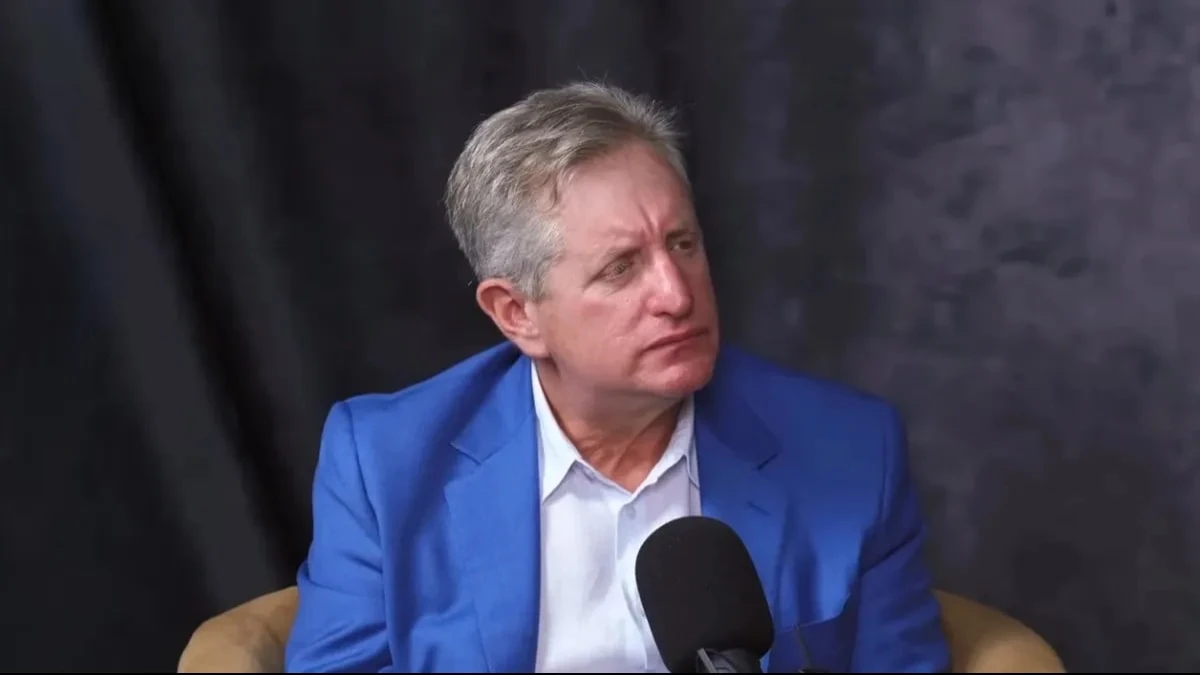
The investor prototype of the hero of the movie "The Downgrade" does not advise adjusting stock market actions because of the war with Iran / Photo: YouTube / RealEismanPlaybook
American investor Steve Iceman, who managed to capitalize on the 2008 global financial crisis and became the prototype of one of the main characters in the movie "The Downgrade Game," believes that investors should ignore the war between the U.S. and Iran, CNBC reports . On the long horizon, it could prove positive for markets, Iceman told the network.
Asked whether he would change his market action in light of the escalating conflict, the investor replied, "Not a single trade."
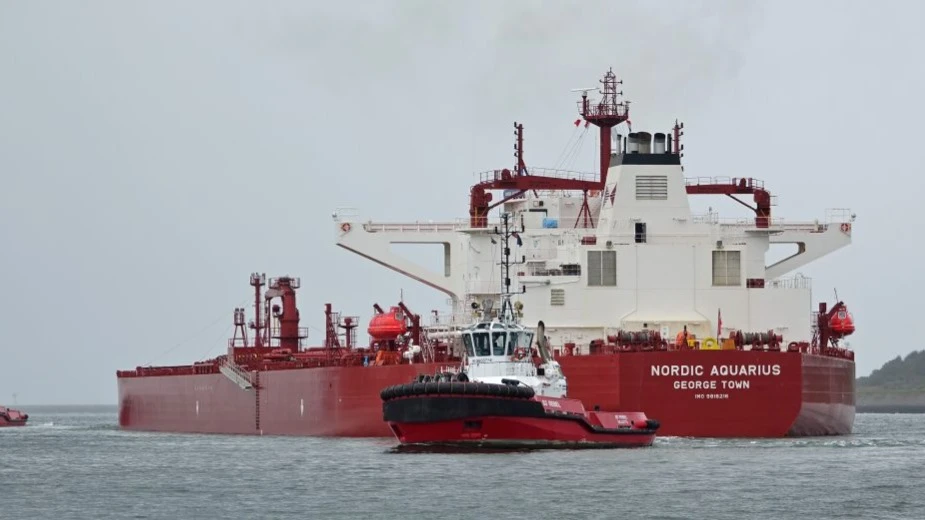
"I think in the long term it's very, very positive," Iceman predicts. - People are reacting to what's going on, oil prices have obviously gone up. But if all goes well, in two months' time prices will be back to where they were."
What's happening in the market
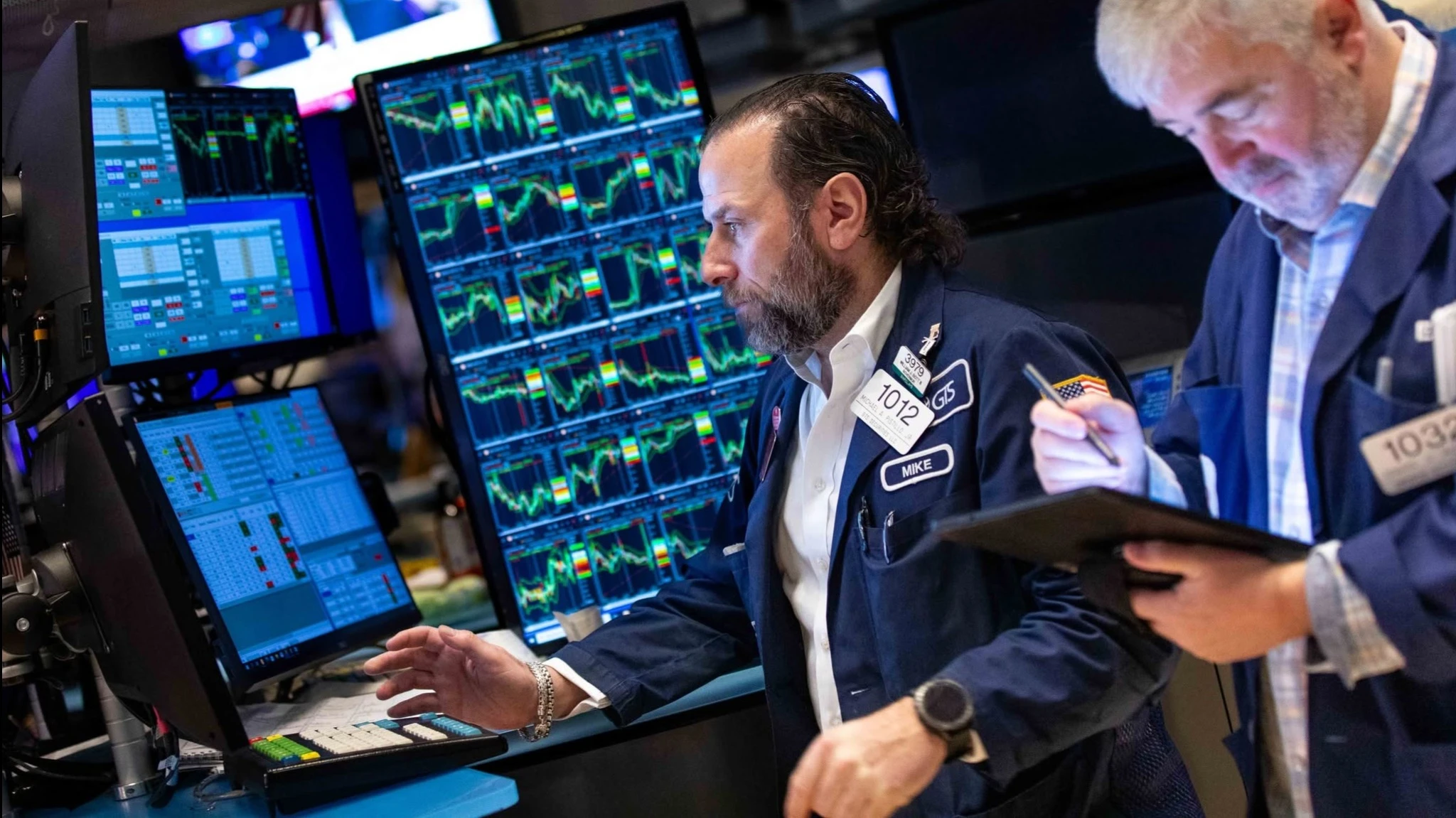
All three leading U.S. stock indices opened trading on March 2 with a decline of about 1%, but during the day the shares partially recovered their losses. The S&P 500 ended the session almost at Friday's closing level, the Dow Jones reduced its decline to 0.15%, and the Nasdaq Composite gained 0.4%.
Historically, geopolitical conflicts do not have a lasting impact on stocks, CNBC points out. According to data from Barclays' trading division, since 1980, the S&P 500 index has been on average unchanged the day after such events. However, the sharp rise in oil prices and the risk of war spreading across the region may this time pressurize the stock market longer, the channel warns.
The S&P 500 was volatile during the build-up to the two Gulf wars, and then rose 16% during the first and 14% in the first three months of the second, Wells Fargo strategist Oh Seong Kwon reminded clients in a note. "History shows that geopolitical drawdowns are worth buying out - the market usually recovers within two weeks," the analyst wrote. Still, his "worst-case scenario" calls for the S&P 500 to fall to 6,000 points, a drop of nearly 15% from the March 2 close.
"We are tactically cautious as we prepare for a period of heightened uncertainty that could last many weeks," JPMorgan said before the open of trading. The bank expected risk assets to decline for one to two weeks, which it said would create a buying opportunity.
This article was AI-translated and verified by a human editor