"There's no end in sight to the rise in capital expenditures": The four Big Tech companies' investments in AI have already exceeded $1 trillion

Photo: Tada Images / Shutterstock
Since the start of the AI race, investments by the four largest U.S. technology companies in artificial intelligence technologies and the infrastructure required to support them have already exceeded $1 trillion, according to calculations by the Financial Times (FT) based on their financial reports. This figure represents the capital expenditures of Google, Amazon, Microsoft, and Meta from the start of the AI boom in 2023 through the end of June 2026.
Such expenditures demonstrate both the scale of American Big Tech’s ambitions in the field of AI and the speed at which American tech giants are transforming from companies with low capital expenditures into major investors in physical AI infrastructure (primarily data centers, the electricity required to power them, and cutting-edge chips).
“Essentially, there’s no end in sight to the rise in capital expenditures [for Big Tech companies],” noted RBC Capital analyst Rishi Jaluria, commenting on the situation. “Investors need these companies to strike a delicate balance between investing in AI and maintaining the principles that have ensured their success,” he added.
Meanwhile, the combined free cash flow of Google, Amazon, Microsoft, and Meta has fallen to a 10-year low, according to the Financial Times—just $7 billion—and only Microsoft and Meta generated more cash than they spent, the newspaper notes.
Overall, following Google and Amazon’s upward revisions to their capital expenditure forecasts for 2026—the four Big Tech companies combined: Alphabet (Google’s parent company), Amazon, Microsoft, and Meta—plan to allocate $745 billion to capital expenditures by next year, according to the FT’s calculations. The success of this strategy depends in part on the ability of AI labs OpenAI and Anthropic—which plan to go public in the coming months— to continue raising funds to fulfill large-scale, multi-year commitments to purchase computing power from the big tech companies, the Financial Times notes.
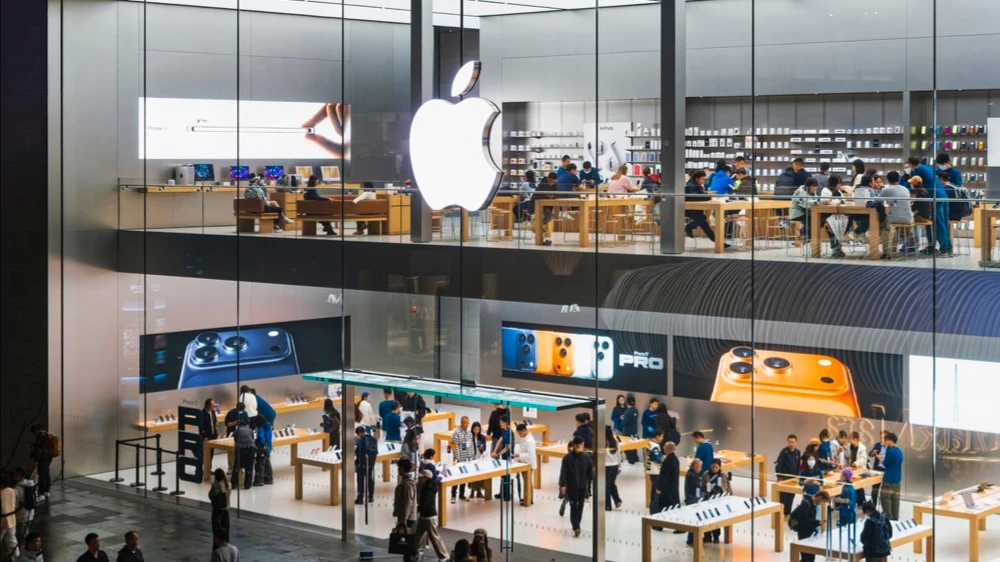
However, at the same time, a significant increase in investment in AI has put pressure on supply chains and led to rising component costs, which, among other things, led to a shortage of memory chips and hurt Apple, which is not participating in the race for leadership in the field of AI. The company’s warnings about lower sales in the current quarter due to rising costs caused its stock to plummet 9% on Friday.
Meanwhile, Alphabet shares rose 3.6% during trading on July 31. Amazon—following the release of its quarterly earnings report the previous day, in which the company reported the fastest revenue growth in its AWS cloud segment in the past four years—jumped more than 14%. Microsoft shares are gaining another 1% or so following a historic rally the day before. On that day, the company’s market capitalization rose by $450 billion in a single day, marking the largest one-day increase in market value in history among all U.S. companies; Microsoft’s stock surge also came on the heels of positive quarterly earnings. In the report, the tech giant announced the highest quarterly growth in its cloud business since 2022. Meta shares are also up 2% on July 31, despite the fact that the company’s latest revenue forecast, as well as increased capital expenditures on AI—which put further pressure on free cash flow—disappointed investors. Alphabet, reporting last week on the past quarter, also recorded negative free cash flow for the first time in its history.
Several unnamed top executives acknowledged that investments in AI will continue to reduce the free cash flow of major technology companies in the coming quarters, according to the FT. Investors are closely monitoring this metric, as it reflects the amount of cash firms have left to service debt or return capital to shareholders after covering expenses.
This article was AI-translated and verified by a human editor