'This is not the year we wanted': Gucci owner reports sales slump, but shares soar


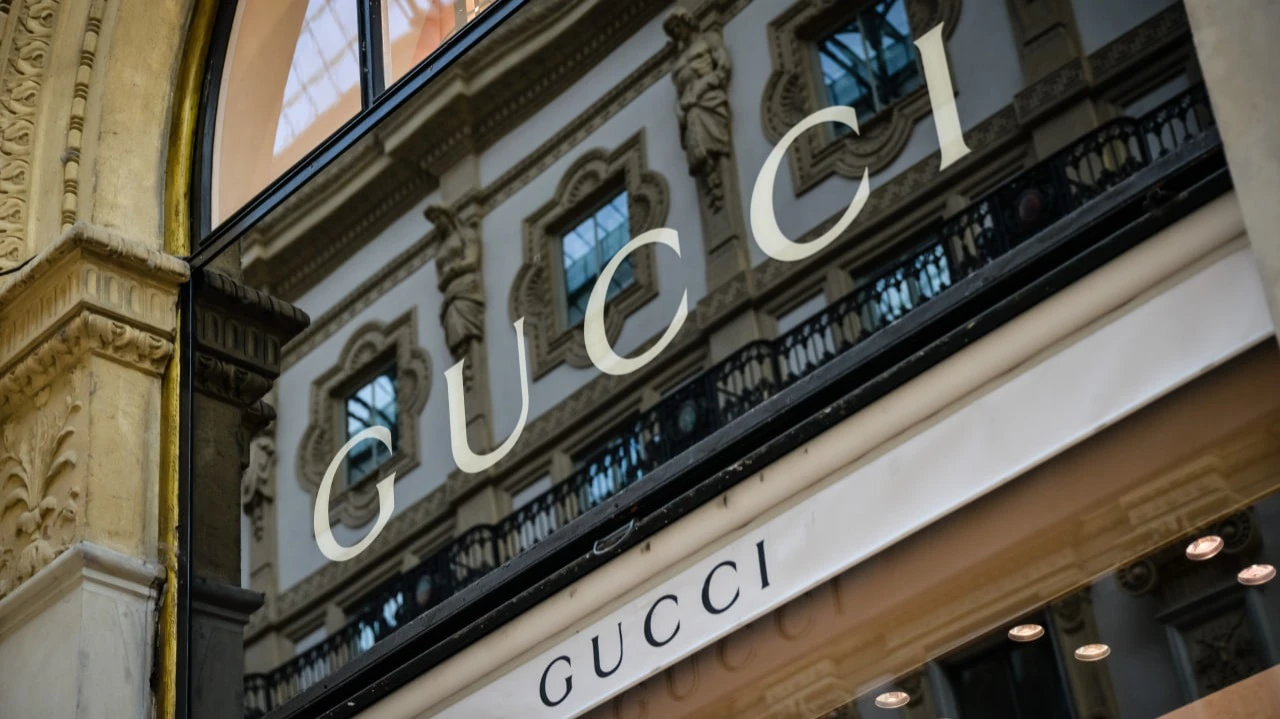
Sales of Gucci's flagship brand fell 10% in the fourth quarter / Photo: Casimiro PT / Shutterstock.com
French luxury group Kering, which owns brands such as Gucci, Yves Saint Laurent, Bottega Veneta and Balenciaga, again reported a decline in sales last quarter. At the same time, it was less deep than analysts expected. At year-end, the company is also down 10%, but it expects a return to growth in 2026. The market took these results and forecasts positively: Kering shares rose sharply.
Details
Kering reported a 3% drop in fourth-quarter sales on a comparable basis - revenue fell to €3.9 billion euros - but was slightly better than analysts' expectations, according to FactSet estimates cited by CNBC.
For the full year 2025, the company's revenue fell 10% to €14.7 billion, with the decline reaching 12% in 2024. Recurring operating profit fell 33% last year and operating margin slipped to 11.1% amid weaker sales.
Gucci, the holding company's flagship brand, brought in €1.62 billion in the fourth quarter - down 10% on a comparable basis. But also slightly better than the consensus forecast. This was the tenth consecutive quarter of decline for Gucci, writes Bloomberg. The other houses of the group showed zero or moderate dynamics, notes CNBC.
"2025 was not what we wanted it to be," said new Kering CEO Luca de Mao during a conference call with investors. - It did not reflect Kering's potential, and we all realize that." The fourth quarter was the first full quarter since de Meo took the job. The company expects to return to growth in 2026.
Kering shares jumped by more than 13% at the opening of trading in Paris. The market reaction reminded the dynamics after the publication of the report for the third quarter in October 2025 - investors then also bought up securities of the luxury group, taking as a sign of stabilization the fact that the results were better than pessimistic expectations.
What's going on in the company
Kering, like rival LVMH and other players in the luxury fashion industry, has seen its business deteriorate in recent years - after a surge in demand during the coronavirus pandemic, CNBC writes. At the time, increased sales led to higher prices, which drove some customers away. Combined with weakening demand from China - previously one of the key drivers of industry growth - as well as strategic miscalculations, the position of Kering and other companies in the sector has weakened markedly, the channel said.
Customers' tastes have also changed: fashion houses now have to stand out and look more restrained at the same time - customers are increasingly choosing rational and practical clothes, market participants noted. For the group's key brand, Gucci, this shift has become particularly difficult: the designer's flamboyant aesthetic from the days of Alessandro Michele has lost popularity, and the shift to a more minimalist style of "quiet luxury" under Sabato De Sarno has not been able to return the brand's sales growth, Reuters wrote earlier.
In an attempt to support growth, Kering acquired 30% of fashion house Valentino in 2023 with an all-cash buyout option, but the deal led to a dramatic increase in its debt load. Already in 2024, the company's corporate debt had risen by almost a quarter, and in September Kering was forced to postpone the Valentino buyout until at least 2028.
In parallel, the group tried to restart sales through personnel decisions: since the fall of 2023, several top managers and designers have been replaced at Gucci. In September 2025, the post of CEO of Kering was taken by Luca de Meo, who joined the luxury brand from the automotive industry. He, in particular, participated in the recovery of the troubled automaker Renault.
Upon taking office, de Meo reshuffled Gucci, appointing longtime top executive Francesca Bellettini as the brand's CEO. In October, de Meo announced the sale of Kering's beauty division to L'Oréal for €4 billion to reduce its debt load. In addition, one of the group's smaller fashion brands - Alexander McQueen - has begun cutting jobs in Italy, Bloomberg writes.
What the analysts are saying
The published results "suggest a moderate improvement in current momentum," said RBC analyst Piral Dadhania. Now, he said, the market's focus will be on "the extent to which Kering can deliver a return to growth in what is still a fairly challenging environment for the luxury segment," Bloomberg quoted him as saying.
Bernstein analyst Luca Solca agrees, seeing "slight improvement across all areas of Kering's brand portfolio and activities" in the report. "Whether this heralds a turning point - with brands such as Gucci returning to growth in fiscal 2026, as the consensus now suggests - will be a key investment debate," says Solca.
12 of the 24 analysts covering Kering view the company's prospects with caution and advise holding its securities in a portfolio, MarketScreener data shows. Five recommend buying the stock, while seven suggest selling.
This article was AI-translated and verified by a human editor