Trump says Iran wants to make a deal. Major US indices went into negative territory
The Dow Jones and S&P 500, which had been rising to the green zone during the session, failed to hold there at the end of trading

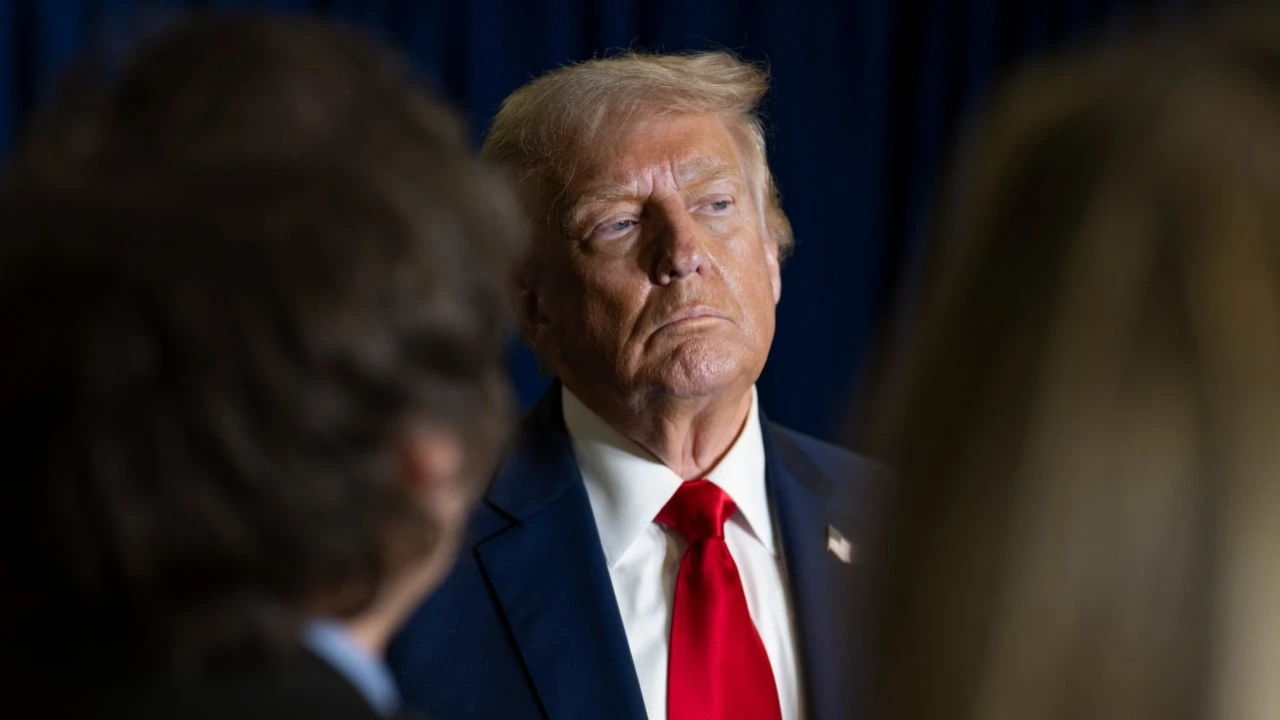
Photo: carlos110 / Shutterstock.com
US President Donald Trump said on the evening of March 24 that his administration is negotiating with the "right people" in Iran and they are "very eager to make a deal," Reuters reports. The US leader said Tehran had agreed to give up nuclear weapons and also offered Washington some kind of "gift" as a sign of goodwill in the negotiations. The president said it involved oil, gas and the Strait of Hormuz, but he gave no details.
"They gave us a gift and that gift arrived today and it was a very big gift, it's worth a tremendous amount of money," Trump told reporters.
Shortly before that, Axios reported , citing sources, that the US and a group of regional mediators were discussing the possibility of holding high-level talks on the conflict as early as Thursday, and were awaiting a response from the Iranian side. The US shared with Israel a plan to end the war and said Iran had agreed to many of the key points, Axios' interlocutors said. However, there is no tangible confirmation of such an agreement, the publication said. The day before, Iranian state media denied information about the talks.
What's in the markets
All three major U.S. indices went into negative territory at the end of the trading day. The Dow Jones and S&P 500 rose to the green zone during the session, but could not stay there.
- The S&P 500 was down 0.4% by the close.
- The Dow Jones lost 0.2 percent.
- The Nasdaq Composite was the hardest hit, falling 0.8%.
- The Russell 2000 index of small and mid-capitalization stocks was the only one to show growth, up 0.6%.
Oil prices resumed growth after the collapse on March 23. Mark Brent rose by 3.6% by the close of trading in the U.S. and traded above $103 per barrel. North American WTI has added 4% and costs a little less than $92 per barrel.
What investors are looking at
According to Thierry Wiseman of Macquarie Group, optimism about ending the war in the Middle East without the U.S. first trying to secure control of the Strait of Hormuz or gaining additional leverage in negotiations with Iran looks premature. "The longer oil prices stay high, the longer central banks will feel the need to signal a willingness to tighten policy," he told Bloomberg.
"It all comes down to the opening of the Strait of Hormuz," agrees Matt Maley of Miller Tabak. - So even if we hear by the end of the week that 'good progress' has been made in the talks, it won't be enough if movement through the strait remains severely restricted in the meantime."
Maley also recalled the ongoing problems in private lending, which should not be ignored. Two major players in this market - Ares Management and Apollo Global Management - have not allowed investors to withdraw even half of the requested funds from their funds, indicating the growing tension, notes Bloomberg.
Despite mounting macroeconomic risks related to war, the impact of AI and private credit market difficulties, Barclays strategist Venu Krishna raised his year-end target for the S&P 500 to 7,650 points, suggesting a gain of nearly 17% from the March 24 close. "The macroeconomic environment has become more fragile," he wrote. - But we believe the U.S. continues to deliver higher nominal growth than other major economies and has a structural growth driver in technology that shows no signs of slowing."
The news is supplemented.
This article was AI-translated and verified by a human editor