"We consider the truce fragile": Morgan Stanley described scenarios for a US trade war with the PRC
The bank recommended that investors in Chinese securities prioritize protective instruments

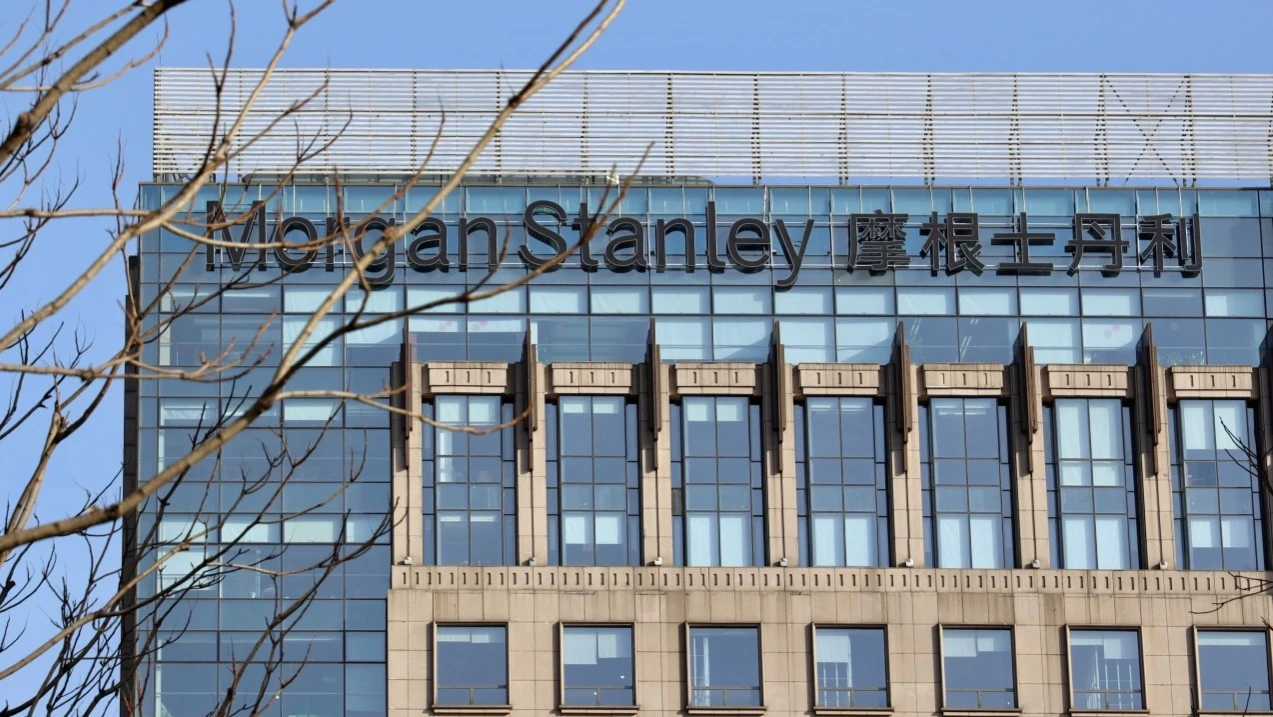
Investors should be prepared for a new escalation in trade tensions between the US and China, one of Wall Street's largest investment banks Morgan Stanley has warned. Although US President Donald Trump and Chinese President Xi Jinping recently agreed to freeze some duties, relations between the countries could quickly deteriorate again in 2026, Business Insider quoted Morgan Stanley economist Jenny Zheng as saying.
"We believe this truce is fragile given the ongoing competitive standoff between the U.S. and China on multiple fronts, meaning that constant negotiations, ceasefires and periodic outbreaks of conflict are likely to become the new normal for the foreseeable future," Zheng wrote to clients and named three possible scenarios.
Baseline scenario
In Morgan Stanley's most likely scenario, the truce will last a year with periodic escalations. This is moderately positive for growth, Zheng believes: "Reducing the "fentanyl" duty by 10 percentage points and putting non-tariff restrictions on pause can increase export growth from China by about 1 p.p., which will give real GDP growth by 0.1 p.p.". This situation will allow the Chinese authorities to limit themselves to cosmetic rebalancing of the export-oriented economic model of the country towards domestic consumption.
"Bear" scenario
In the negative scenario, the fragile trade truce breaks down prematurely. New duties and customs barriers disrupt global markets and supply chains. In such a scenario, Morgan Stanley expects the MSCI China index to fall and reciprocal restrictions on high-tech and rare earth elements to resume. "The result: dramatic pressure on global supply chains and increased trade and technology fragmentation," Zheng summarized.
"Bull" scenario
The positive scenario assumes that China receives a significant economic stimulus by refocusing on domestic consumption and avoiding deflation.
"Improved policy predictability would lower risk premiums, attract new foreign investment and provide outperformance in high beta growth sectors (most sensitive to market conditions - Oninvest) as well as export-oriented sectors, lifting MSCI China's valuation," Morgan Stanley analysts said in a note.
The bank noted that it is not sure of the best outcome. To avoid losses, it advises clients to prioritize protective instruments and focus on securities of those Chinese companies that benefit from Beijing's actions to achieve technological and economic self-sufficiency.
This article was AI-translated and verified by a human editor