What if the U.S. loses the war with Iran? Ray Dalio on the possible consequences for the markets
US military weakness will hit creditor confidence and the dollar, warns Bridgewater Associates founder

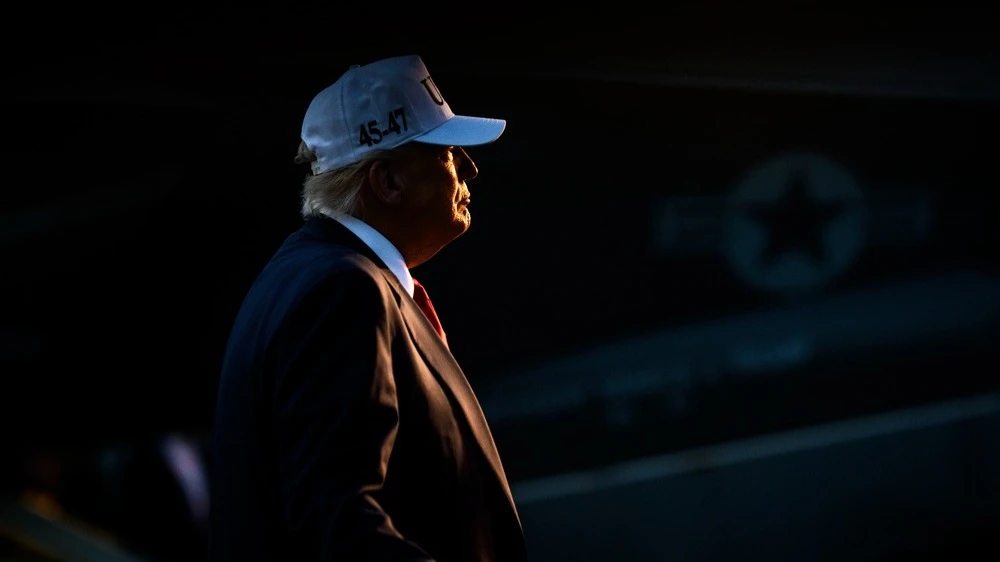
The outcome of the war depends on the ability of the US and allies to unblock the Strait of Hormuz, says a prominent investor / Photo: carlos110 / Shutterstock.com
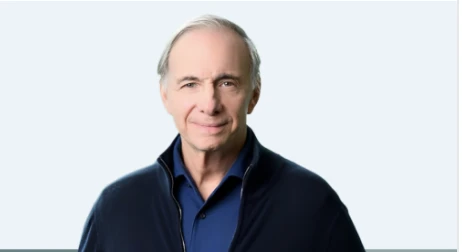
"Usually wars are unpredictable and full of surprises. But in the case of Iran, it's clear: the big question is in whose hands the Strait of Hormuz will end up," Ray Dalio, founder of the world's largest hedge fund, Bridgewater Associates, writes in a new post on LinkedIn.
A well-known investor describes possible scenarios for the end of the war in the Middle East: what could play into Iran's hands and how a US defeat would affect the global economy. However, he stipulates that he does not consider himself a political expert: "I'm just a practical person who has to bet on what will happen and who has studied history to learn lessons and make successful trades. And now I'm sharing my principles and thoughts that can help others navigate these turbulent times."
Scenario 1: Strait of Hormuz under Iranian control
If Iran continues to be able to block the world's most important strait, it will cause enormous damage to the United States, its Gulf allies, oil importers and the global economy, Dalio said.
"If Donald Trump and the U.S. do not win this war - and victory here is easily measured by whether they can secure safe passage through the Strait of Hormuz - they will be perceived as responsible for a catastrophic situation that they have failed to remedy"
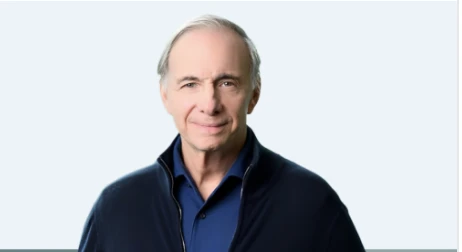
Dalio sees a possible U.S. defeat in the standoff over the Strait as a "point of no return". He draws a historical parallel with the Suez crisis for Britain and the collapse of the Dutch and Spanish empires. According to his observations, the fall of superpowers follows the same scenario: a small country challenges the leader's control over a key trade route. And if it wins, financial flows are redistributed - there is a large-scale flight of capital from the weakening empire.
"These shifts are hitting markets - primarily the debt, currency and gold markets - and geopolitical influence. Observing many such cases has led me to the following principle: when a hegemonic world power with a global reserve currency is financially overstretched and reveals its military weakness, we should expect a loss of confidence from allies and creditors, a loss of reserve currency status, a massive shedding of debt assets, and a weakening of the national currency, especially against gold
Scenario 2: Iran loses control of the Strait of Hormuz
If the world's dominant power can demonstrate its military and financial strength, its credibility and willingness to hold its debt and currency will strengthen, Dalio writes.
"When President Reagan secured the release of hostages in Iran immediately after his election, and then, when Iran began attacking merchant ships in the Gulf during the Iran-Iraq war, ordered the U.S. Navy to escort oil tankers, he clearly demonstrated his power and U.S. authority over Iran. If President Trump proves the ability of the U.S. to deliver what he has promised - namely, winning this war, securing free passage through the Strait of Hormuz and eliminating the Iranian threat to its neighbors and the world - it will greatly strengthen confidence in his power and U.S. strength"
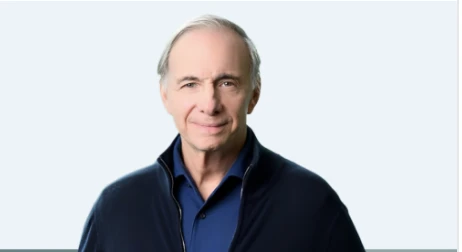
That said, Dalio believes that the US and Israel alone will not be able to wrest the Strait of Hormuz from Iran: "Trump is now calling on other countries to join the US in securing free passage through the Strait; his ability to get them to do that will be an indication of his ability to form alliances and gather forces, so that would be a big win."
Final battle or protracted conflict
Iran's strategy, Dalio believes, is to try to prolong the war and systematically increase its intensity because American society and government have an extremely low threshold of tolerance for casualties and protracted conflict.
"For Iranians, this war is above all about revenge and loyalty to principles that are more important than life itself. They are willing to die because the willingness to die is necessary to maintain self-respect and demonstrate loyalty, for which the highest reward is due. At the same time, Americans are worried about high gasoline prices and American leaders are worried about midterm elections
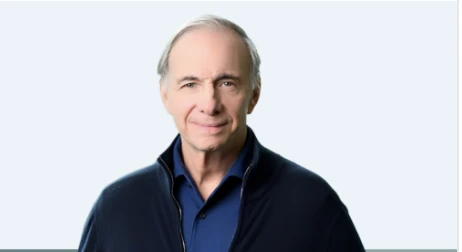
Dalio warns if the Americans pull out, their allies in the Persian Gulf and around the world will see that the U.S. will not protect them. Such an outcome would undermine U.S. relations with key partners.
"Whatever happens next - whether it is a decision to leave Hormuz in Iranian hands or a forceful seizure of control of the strait - this is likely to be the most difficult phase of the conflict. This 'final battle,' which will finally clarify which side has won and which side has lost control, promises to be extremely large in scale"
This article was AI-translated and verified by a human editor