WSJ: Intel has reached a deal with Apple to release its processors. The chipmaker's stock soared
Intel's capitalization has more than tripled since the beginning of the year

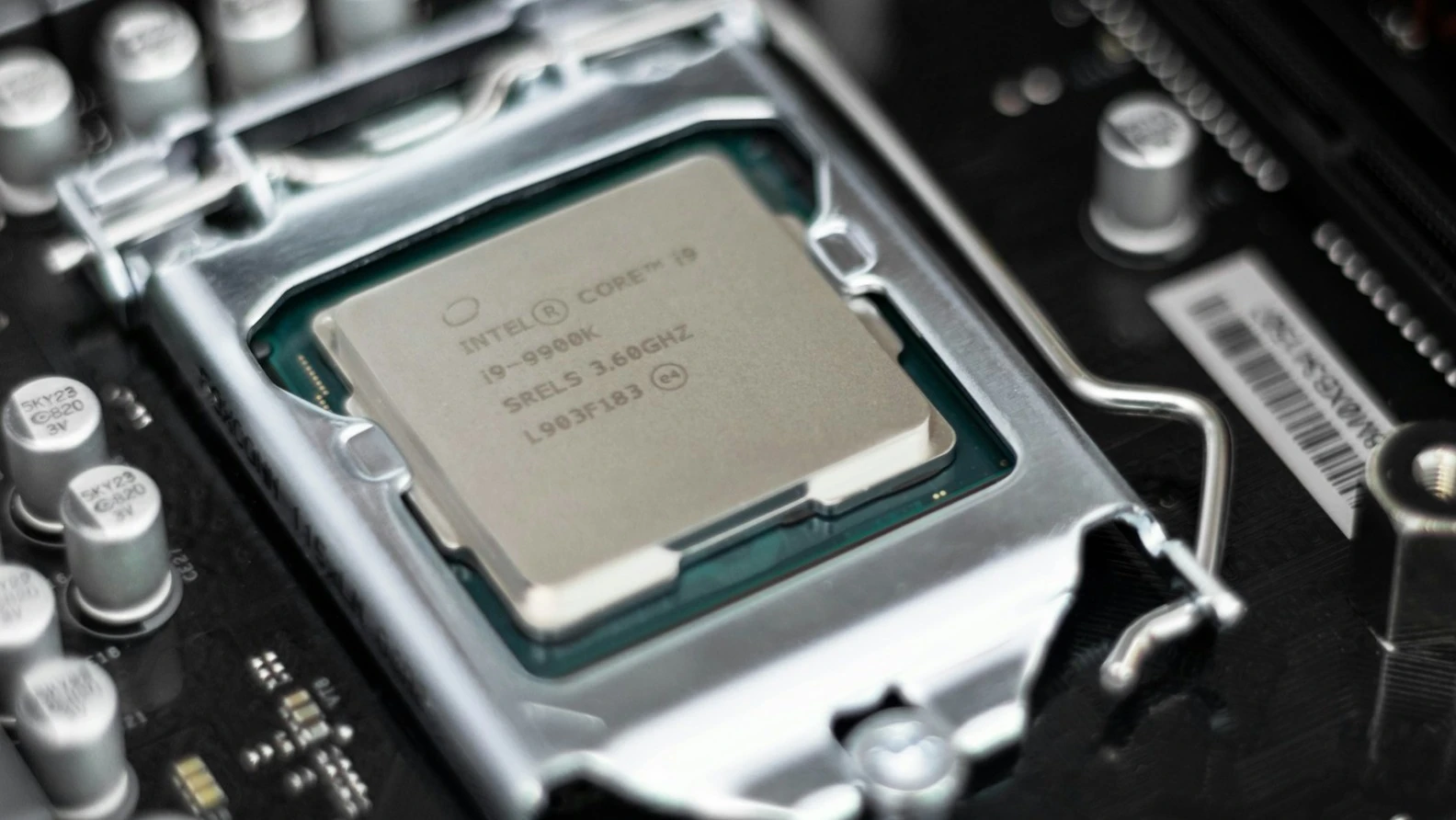
Apple and Intel have reached a preliminary agreement under which Intel will produce for Apple some chips used in the company's devices. This was reported by The Wall Street Journal, citing sources.
Intel stock soared after the announcement and was up nearly 19% at the time this story was published.
Details
Intensive negotiations between the two companies have been going on for more than a year, and in recent months the parties have managed to agree on the outlines of the deal, WSJ writes. Bloomberg sources told Bloomberg on Ma. 5 that the two companies were negotiating.
It's still unclear exactly which Apple devices Intel will produce chips for, WSJ sources note.
Representatives for Apple and Intel declined to comment to the publication.
Intel has two main businesses: chip design and manufacturing - both in-house and for external customers - in its Intel Foundry division. Both businesses had been underperforming for years before Lip-Bu Tan took over as CEO last spring, promising to breathe new life into them, the WSJ noted.
Why Apple is going back to Intel
Apple had been putting Intel processors in its personal computers since 2006, but switched to its own M-series CPUs based on the rival ARM architecture in 2020.
Apple now uses Taiwan Semiconductor Manufacturing Company (TSMC) capacity to produce its chips for the iPhone, iPad, Mac and other devices. But the company is forced to seek additional suppliers because of TSMC's capacity constraints. At the last two conference calls after the reports were published, Apple CEO Tim Cook attributed the company's inability to meet iPhone demand to a lack of advanced chips. Apple has long been TSMC's largest customer, but explosive demand for the company's manufacturing capacity from Nvidia and other AI chip developers has weakened Apple's ability to secure the supply it needs, the WSJ writes.
Cook said the constraints will continue into the current quarter, affecting several Mac models. "We believe the Mac Mini and Mac Studio may remain in a supply-demand imbalance for several more months," he said.
TSMC's manufacturing capabilities are far superior to those of Samsung Electronics and Intel. However, Intel is rapidly catching up. This year, it released Core Ultra Series 3 processors and Xeon 6+ server processors manufactured using Intel's new 18A process technology. The company is also actively developing the next generation of technology, 14A, which should be a key element of Intel's strategy to bring large external customers back into contract manufacturing.
The influence of the White House
In the summer of 2025, President Trump's administration struck a deal to convert nearly $9 billion in federal grants awarded to Intel into stock in the company, giving the U.S. government about 10% of the chip maker. This was instrumental in bringing Apple into the negotiations, the WSJ writes.
According to the publication, U.S. Commerce Secretary Howard Lutnick has met several times over the past year with top Apple executives, including Cook, as well as with SpaceX CEO Elon Musk and Nvidia CEO Jensen Huang. Latnick tried to convince the corporate heads to partner with Intel, WSJ sources said. Nvidia invested $5 billion in Intel in September 2025, and last month the chipmaker said it would help Elon Musk's companies develop semiconductors for Tesla and robots.
What analysts recommend
Intel stock is up about 240% since the start of 2026 and 480% over the past 12 months.
Meanwhile, Wall Street is mostly neutral on the chipmaker's securities. According to MarketWatch, they have 29 recommendations to hold (Hold rating) out of 51 total. Another 17 advise to buy (Buy and Overweight), five advise to sell (Underweight and Sell).
Wall Street's consensus target price is $88.2, down 19.5% from the closing price on Ma. 7 (before Friday's trading surge).
This article was AI-translated and verified by a human editor