Diving into Diamond Hill, the small-cap fund beating the red-hot Russell 2000 YTD

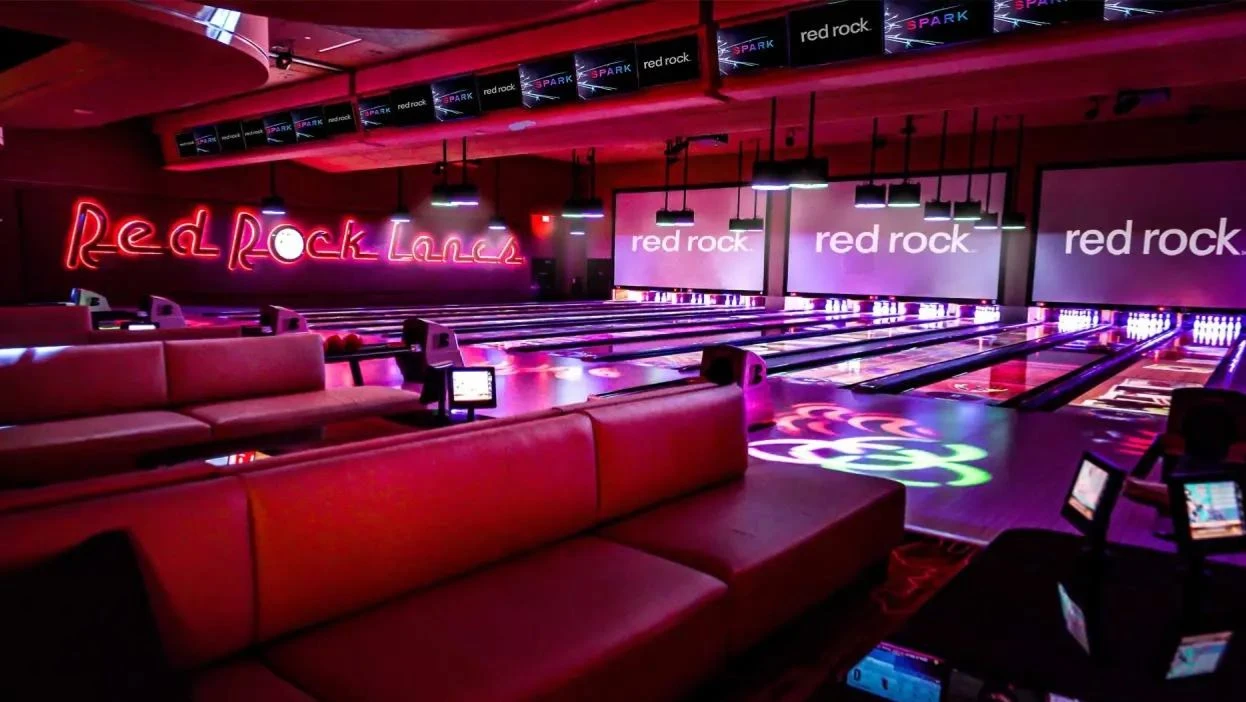
Red Rock Resorts, which manages casino resorts in the U.S., is the fourth-largest holding of the Diamond Hill Small Cap Fund, making up 5% of the portfolio / Photo: redrockresort.com
The Diamond Hill Small Cap Fund had returned 25.3% year to date through Friday. It outperformed the Russell 2000, the benchmark for smid-cap companies, which gained 19.4% over the same period. Among the fund’s largest holdings are companies such as health tech Astrana Health, fintech Triumph Financial, and aerospace components manufacturer Ducommun.
How Diamond Hill picks investments
“I don’t wait for the Russell 2000. I want to provide good returns at any time,” fund portfolio manager Aaron Monroe said in an interview with MarketWatch. He said the fund treats every stock purchase as acquiring an ownership stake in the business.
Monroe’s team conducts its own assessment of the growth potential of companies selected for the portfolio, according to MarketWatch. The portfolio manager explained that an estimated 50-70% of money in the small-cap segment is invested through passively managed index funds, versus 20% in 2002.
He also noted that assets are becoming increasingly concentrated, with the five largest asset managers controlling more than half of investments in the small-cap segment. “This creates a big pool of capital that is fairly neglected,” he told MarketWatch. This, in turn, has led to fewer analysts covering this segment of the equity market.
As an example Monroe cited limestone producer U.S. Lime & Minerals, whose shares the fund purchased “four or five years ago.” The company is covered only by Freedom Broker, making a comparison of the forward price/earnings ratio with those of its peers impossible. Monroe’s team instead uses a metric based on the ratio of enterprise value – which, unlike market capitalization, also accounts for debt and cash – to EBITDA.
These trends underscore the importance of asset managers having their own research capabilities, Monroe concluded. “Many of these companies are perpetually misunderstood,” he told MarketWatch.
“You have an opportunity set that is rich,” Monroe said. He described Diamond Hill’s “workmanlike mentality to investing,” including forecasting companies’ fundamental performance at least five years out, supported by “a qualitative assessment of companies we want to own.”
The portfolio manager said the fund favors companies with “high inside ownership.” If a company has debt, he wants to ensure it is “backed by assets or steady cash flow,” MarketWatch wrote.
“This recipe gives me the ability to deploy capital to these companies when they trade below intrinsic value,” while also giving him the confidence to invest more during industry downturns, Monroe told the site.

Top stocks in the fund's portfolio
Diamond Hill favors Russell 2000 companies “with real moats.” Monroe describes these as “businesses with capacity to suffer and the ability to endure,” creating long-term opportunities to deploy capital. According to LSEG data, the fund’s 10 largest portfolio positions are the following.
Astrana Health, a healthcare technology platform operator, accounts for 6.2% of the Diamond Hill Small Cap Fund portfolio. The stock has 10 “buy” calls from Wall Street analysts versus one “hold” rating. The average target price of $49.33 per share is around 10% above the Friday closing price.
Triumph Financial, a fintech, accounts for 5.2% of the portfolio. The stock has four “hold” calls from Wall Street analysts versus one “buy” rating. The average target price of $75.80 per share is 6% below the current share price.
Ducommun, an aerospace components manufacturer, accounts for 5.1% of the portfolio. The stock has five “buy” calls from analysts versus one “hold” rating. The average target price of $181 per share is 7.4% above the Friday closing price.
Red Rock Resorts, which owns and operates casinos, hotels, and entertainment complexes in the U.S. through its Station Casinos subsidiary, accounts for 5% of the portfolio. The stock has 15 “buy” calls from analysts versus three “hold” ratings. The average target price of $69.80 per share is 7.8% above the last closing price.
Ryman Hospitality Properties, a real estate investment trust focused on hotels and entertainment, accounts for 4.8% of the portfolio. All 14 Wall Street analysts covering the company have “buy” ratings on the stock. The average target price of $125.30 per share is roughly equal to the Friday closing price.
UFP Technologies, a manufacturer of disposable medical devices and specialized components for the military and aerospace sector, accounts for 4.1% of the portfolio. Wall Street analysts are divided on its prospects, with two “buy” and two “hold” ratings. The average target price of $324.50 per share implies around 34% upside.
Bank OZK, a regional bank, accounts for 4% of the portfolio. The stock has five “hold” calls from Wall Street analysts versus four “buy” and one “sell” ratings. The average target price of $53.60 per share implies 3% upside.
Mesa Laboratories, a manufacturer of pharmaceutical and laboratory equipment, accounts for 3.5% of the portfolio. The stock has two “hold” calls from analysts versus one “buy” rating. The average target price of $112 per share translates into around 18% upside.
Utz Brands, a snack manufacturer and distributor, accounts for 3.5% of the portfolio. The stock has seven “buy” calls from Wall Street analysts versus three “hold” ratings. The average target price of $11.20 per share implies 55.6% upside from the last closing price.
Magnolia Oil & Gas, an energy company, accounts for 3.4% of the portfolio. The stock has 12 “buy” calls from analysts versus nine “hold” ratings. The average target price of $32.40 per share is around 19% above the Friday closing price.
______________________
Check out Oninvest's Guru Portfolios section, where you can find the latest information on the composition and performance of the portfolios of the world’s top investors and biggest funds based on their 13F quarterly filings.