A single-product company: Lessons from Oura's stalled IPO
The smart ring maker proved unable to convince investors it was a tech platform

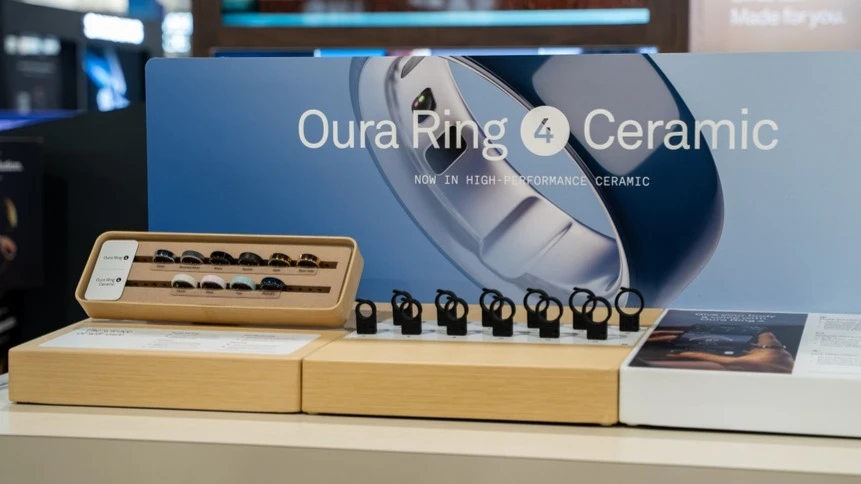
Oura pitched itself as a technology and data platform, but many investors saw it as a trendy wellness product / Photo: Erman Gunes / Shutterstock.com
Smart ring maker Oura postponed its Nasdaq IPO in late September, citing “uncertainty in the IPO market.” Surging Treasury yields would indeed have complicated the offering, but the bigger problem was a mismatch between how Oura sees itself and how prospective investors viewed it, the Wall Street Journal argues.
What derailed the IPO?
In its prospectus, Oura positioned itself as a health data and tech platform, while many investors saw the company as merely a seller of a trendy gadget, the WSJ writes. The distinction is critical: platforms can scale quickly and cheaply, but device makers must repeatedly persuade consumers to buy the next model.
Investors have already learned painful lessons from similar stories. Peloton, which makes connected exercise equipment; fitness tracker maker Fitbit; sleep products company Casper Sleep; and action-camera maker GoPro all built recognizable brands but eventually ran into the same problem – they had to keep selling new products to keep revenue growing.
University of Florida professor Jay Ritter analyzed 13 single-product consumer companies that went public between 2005 and 2024. Five years after their IPOs, their shares had lost around 32% on average, while the market gained 49% over the same period. Roku was the sole exception, outperforming the market. The company, which began by making devices for streaming, transformed itself into a media platform. In June, Fox Corp. agreed to acquire it for $22 billion.
What's next?
Roku’s story offers a lesson for single-product consumer companies, the WSJ believes. It sees three possible paths for such businesses if they want to endure over the long term.
One is to follow Roku’s example and transform into a platform or a service with recurring subscriptions. But that does not describe Oura: calling itself a platform does not make it one, the Journal notes. Around 80% of the company’s revenue still comes from ring sales, while subscriptions account for just 20%.
“Hardware-centric businesses naturally demand a lower sales multiple,” says Robin Boldt, CIO at healthcare-focused hedge fund Rock2 Capital. As it prepared for the IPO, Oura sought a valuation of around 10 times its last 12 months of revenue. For comparison, Fitbit was sold to Google for less than two times annual revenue.
Bloomberg previously reported, citing people familiar with the matter, that some investors decided not to participate in Oura’s IPO because they considered the company’s proposed $15 billion valuation too high.
Another possible path is to stop being a single-product company, as Garmin did. The company was best known for its in-car GPS devices, but smartphones gutted that business. Garmin now makes most of its money from fitness watches, outdoor gear, and aviation and marine electronics.
The most promising route for Oura and other wellness start-ups would be to shift payment from consumers to third parties, such as employers or insurers, the WSJ argues. Insurance covers ResMed’s sleep-apnea machines and Dexcom’s glucose monitors, while employers pay for Hinge Health’s physical-therapy app. Oura already has partnerships, including with fertility app Natural Cycles, which receives body-temperature data from the ring. Employers are willing to spend heavily on fertility benefits, but Oura still has to prove that wearing its ring actually improves people’s health, not just that it measures it accurately.
The easiest route, at least for investors, might be an acquisition. A tech company could theoretically buy Oura, but a healthcare giant might be a more natural buyer. U.S. pharma giant Eli Lilly invested in the company before its IPO. The drugmaker could find value in knowing whether patients taking its Zepbound and Mounjaro medications are sleeping better and moving more, the newspaper notes.