A warning sign? A company backed by Nvidia failed to generate demand for its IPO
Australia's Firmus closed the order book without receiving a sufficient number of orders

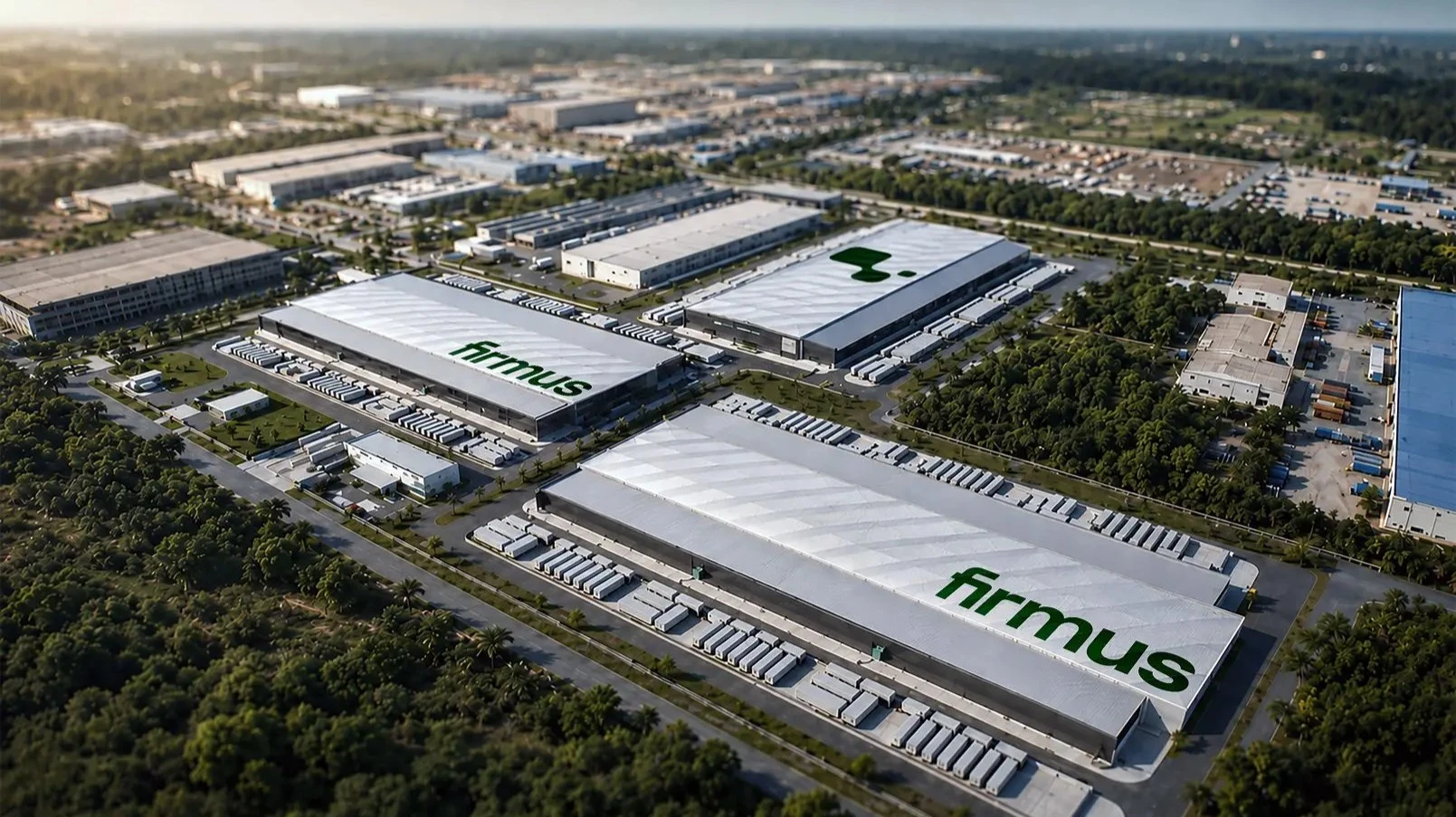
Firmus Grid, an Australian data center operator backed by chipmaker Nvidia, has closed its IPO book / Photo: Firmus
Firmus Grid, an Australian data center operator in which Nvidia, a leading manufacturer of artificial intelligence chips, has invested, has closed the book for its initial public offering (IPO), Bloomberg reported, citing sources. The offering may be canceled due to insufficient demand at the stated share price, the agency’s sources say. A failed listing by Firmus Grid could be a new warning sign of financing difficulties in the AI sector, the agency believes.
What Happened
Firmus Grid had hoped to raise up to $5.5 billion at a company valuation of 43.7 billion Australian dollars ($30.4 billion). The book-building process concluded on schedule on Thursday morning, October 8, but the company failed to garner sufficient support for a placement at 11 Australian dollars per share, according to Bloomberg sources. The company has not provided any clear guidance on the final price or the structure of the deal: this is unusual and may indicate that the offering price could be reduced or that the IPO could be canceled altogether, the agency reports.
According to Bloomberg sources, potential investors have expressed concerns that existing shareholders might sell off their shares en masse shortly after the company’s initial public offering. This factor only reinforced the doubts of investors who viewed Firmus’s pricing strategy as aggressive. In addition, the target price was influenced by nervous market sentiment due to the rapid pace of borrowing and spending on global AI infrastructure—especially given that the company relies primarily on its vision of the future rather than a track record of actual achievements, sources said.
A Firmus spokesperson did not respond to Bloomberg's requests for comment. Firmus's initial public offering could become one of the largest in Australian history, on par with Medibank's $5 billion IPO in 2014, according to Bloomberg.
What does that mean?
The developments surrounding Firmus reflect growing market concerns about how much capital AI infrastructure companies are demanding from the public market amid rising borrowing costs, Bloomberg reports. “Investors still believe in AI. What they won’t do is pay any price for companies that spend huge sums on data centers, depend on a few large clients, and promise profits years down the line,” said Maxence Vissot, investment director at Arkevium Capital, in a statement to the agency.
The Firmus IPO has become “extremely polarizing,” said Jun Bei Liu, co-founder and lead portfolio manager at Ten Cap Investment, in an interview on Bloomberg TV: “There was a lot of interest from international investors, but at the crucial moment, when they were asked to provide the necessary capital, it seems there was no demand.”
“There is widespread concern in the market that higher interest rates could negatively impact the development of AI infrastructure and the ability of companies such as Firmus to generate high returns on their investments in the coming years,” said Rolf Bulk, head of the semiconductors and infrastructure practice at The Futurum Group.
Context
Firmus started out in 2019 mining Bitcoin in Australia, but then shifted its focus to the rapidly growing Asian AI infrastructure market. It is currently developing data centers in Australia and Singapore, according to Bloomberg. To capitalize on the artificial intelligence boom, Firmus has secured a number of deals with major clients and raised $2 billion in investment commitments from a pool of investors, including Nvidia and Blackstone.
Following a massive wave of funding for AI projects, investors are becoming more selective, especially ahead of other major deals—such as the IPO of the AI startup Anthropic. No fewer than four companies from different sectors, each planning to raise at least $50 million, announced in September that they were postponing or completely canceling their IPOs. On September 22 and 23, insurance company Bamboo Insurance and industrial manufacturer Amaero postponed their IPOs. On September 25, nuclear energy company Holtec Nuclear withdrew its listing, and on September 29, Oura—the maker of Mark Zuckerberg’s “favorite” smart rings— postponed its IPO due to “uncertainty” in the market.
This article was AI-translated and verified by a human editor