"AI Could Be a Great Equalizer": Gates to Invest $1 Billion in Making Technology More Accessible
The billionaire believes that governments are still far from understanding the technology and its likely consequences

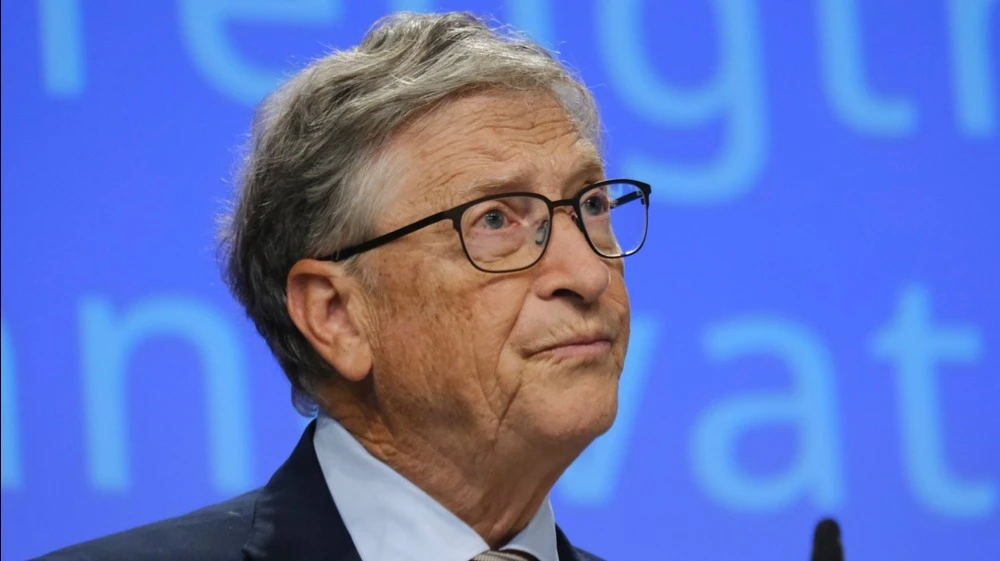
Bill Gates plans to expand access to AI technology in education, agriculture, and healthcare / Photo: Alexandros Michailidis / Shutterstock.com
Microsoft co-founder Bill Gates believes that artificial intelligence can help narrow the gap between the rich and the poor if people are given equal access to the technology. His foundation plans to spend at least $1 billion over the next two years to expand access to AI, according to Reuters.
Details
“If AI develops in the right direction, it will be able to expand access to solutions, opportunities, and knowledge that have all too often been out of reach for people,” Gates wrote in the foundation’s report. “AI could be a great equalizer or widen the gap,” added the Microsoft co-founder.
The Gates Foundation intends to allocate funds to partners working in the fields of education, health care, and agriculture, according to the report. The foundation also plans to help build the data infrastructure needed for AI development, including ensuring that large language models can operate in all languages spoken by people, Reuters reports.
According to Gates, the decisions made over the next 12 to 18 months regarding how AI will be developed, funded, and implemented will determine whether the technology will primarily benefit those who already have the most resources, or whether it will reach those with fewer resources.
Gates sees the potential of AI in healthcare as particularly significant. The billionaire believes that the technology can assist healthcare workers on the ground and also contribute to the development of new drugs and vaccines.
The authorities are not ready
According to the former head of Microsoft, national governments are not yet prepared for the consequences of the spread of AI. “I don’t think any government has even come close to the level of understanding of this issue that is necessary,” he said in an interview with Reuters. “Governments are lagging far behind on this issue.”
Gates said he had discussed his concerns with, among others, U.S. President Donald Trump and his team. The billionaire also hopes to meet with Chinese President Xi Jinping before the end of this year, according to Reuters.
Gates is calling on governments around the world to work together to address the consequences of technological advancement. He compared the emergence of AI to the plot of a disaster movie in which the U.S., China, and other countries unite in the face of a common threat. “AI is somewhat like this alien intelligence. It’s already here, and we’d better do what they show in those movies,” Gates said.
Context
In January 2026, the Gates Foundation announced plans to increase its spending to $9 billion per year. The organization pledged in 2025 to double its charitable spending and bring it to $200 billion before ceasing operations entirely in 2045. This will account for about 99% of Gates’ remaining fortune, according to Bloomberg.
In August 2026, the billionaire also called on technology companies and regulators to take the potential threats posed by AI to humanity more seriously. The Microsoft co-founder warned of threats to the labor market, the risk of attacks, and the danger of dependence on AI companions. In particular, he called for taxes on AI tokens and bots. This could slow companies’ push to phase out human labor.
This article was AI-translated and verified by a human editor