Gold could be facing its worst year in a decade. Will it regain its status as a safe-haven asset?
Analysts are assessing whether the results of the U.S. midterm elections and budget risks could trigger a downward trend in the price of the precious metal


Following a record rally, the price of gold corrected amid rising bond yields and a boom in artificial intelligence investments / Photo: Shutterstock.com
This year could be the worst for gold investors since 2015, when the metal fell by more than 10%, according to Bloomberg. Gold, which typically serves as a “safe haven” during periods of global instability, has faced declining demand amid rising bond yields and increased appetite for risky assets linked to artificial intelligence. Will gold be able to regain its status as a hedge against risk after the U.S. midterm elections?
What Happened to the Gold?
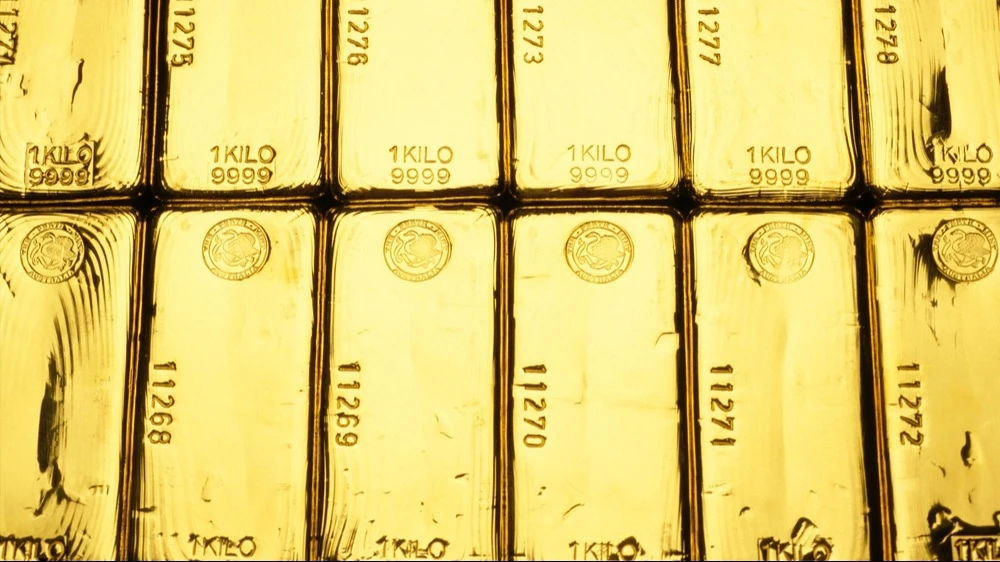
Gold has fallen in price by more than 8% since the beginning of the year and is now trading below $4,000 per ounce. However, in the spring, the price of gold hit a new all-time high, rising above $5,500 per ounce.
Bloomberg notes that the metal came under pressure due to a boom in artificial intelligence investments, a strengthening dollar, rising government bond yields, and expectations of interest rate hikes by central banks. According to analysts surveyed by the agency, if the midterm elections lead to a political stalemate, market attention will once again shift to the issues of the U.S. budget deficit and inflation—a traditionally favorable environment for gold.
How the Elections Could Revive Interest in Gold
Both chambers of Congress are currently controlled by the Republicans. Polls indicate that the Democratic Party is highly likely to win a majority in the House of Representatives, while control of the Senate remains in question, according to Bloomberg.
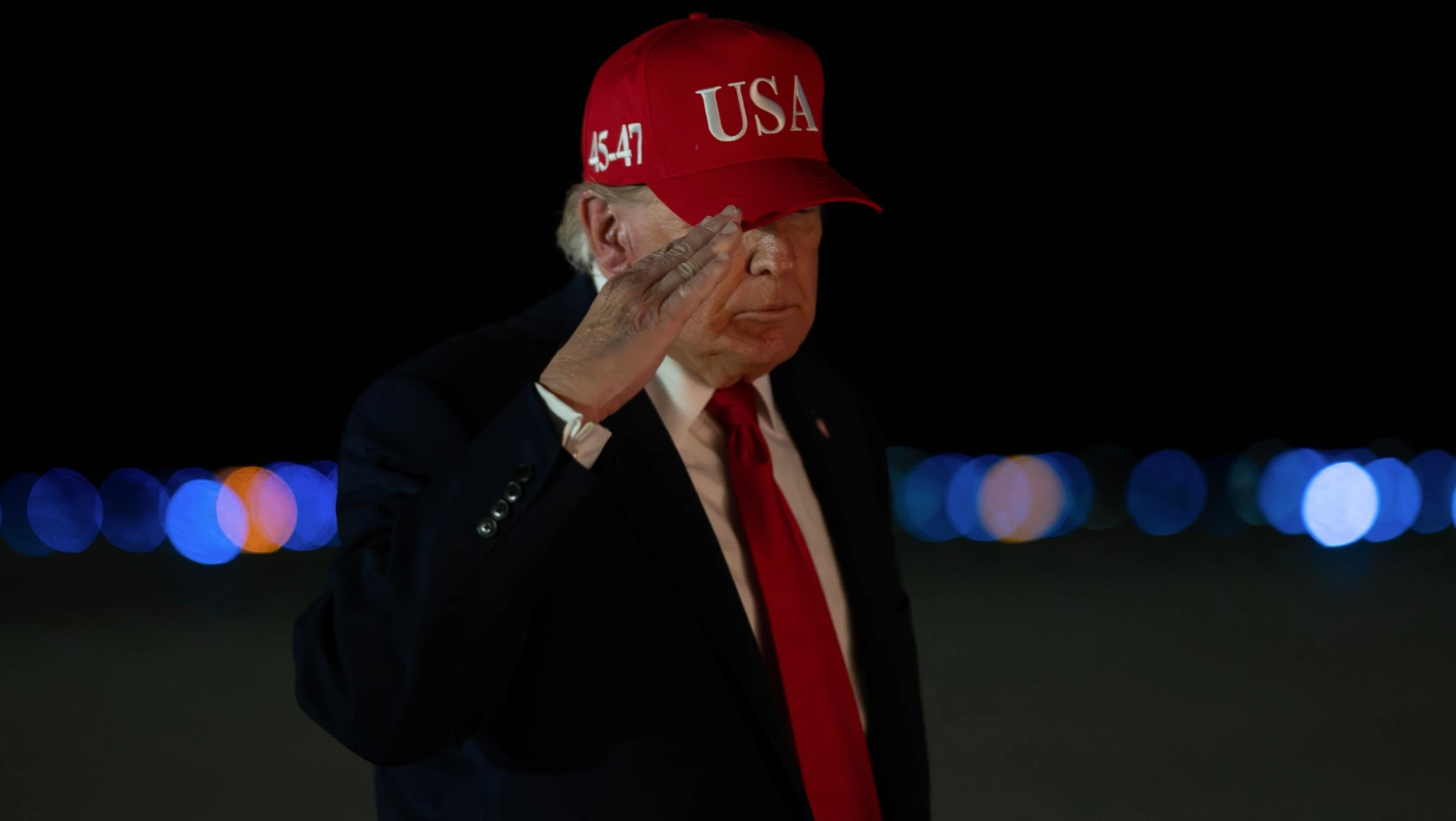
Even if both chambers end up under Democratic control, President Donald Trump will retain his veto power, which means budget spending will be limited. This will put downward pressure on Treasury yields and remove one of the main obstacles to gold’s growth, the agency reports, citing analysts. If we look back at Trump’s first term, when the midterm elections led to a divided Congress, we can expect legislative activity to slow to a minimum, and the issue of the budget deficit—which currently stands at around $2 trillion— will remain largely unresolved, the agency writes.
“History doesn’t repeat itself, but it often rhymes,” says Matt Miskin, a strategist at Manulife John Hancock Investments. “If 2027 resembles 2019 even slightly, gold’s current weakness could reverse.”
He expects that the political impasse will reduce the risk of further increases in real yields due to fiscal policy, which would be “a truly positive factor for gold.”
Anthony Saglimbene, chief market strategist at Ameriprise, notes that the next Congress, regardless of its composition, will face a difficult budget situation. A political stalemate will complicate not only spending but also unpopular measures such as deficit reduction or revenue increases. In his view, investors concerned about the state of U.S. public finances will seek refuge outside of government bonds and turn to gold, and a sharp rise in yields due to concerns about the deficit and public debt could provide an additional boost to the metal.
The AI Boom Factor
Gold prices are closely linked to the sustainability of investment in artificial intelligence, Bloomberg notes. The huge demand from companies for capital to build AI infrastructure is forcing them to tap the debt market at the same time that the U.S. government is financing a large deficit. This is putting upward pressure on bond yields and weighing on gold.
Roger Aliaga-Díaz, head of the global portfolio construction division at Vanguard Group, called the boom in AI capital expenditures one of the strongest investment cycles in recent decades, one that is unlikely to come to an abrupt halt. Vanguard expects economic growth next year to exceed forecasts. In his view, a large deficit is not necessarily positive for metals: if regulators maintain market confidence and remain willing to raise interest rates to curb inflation, fiscal expansion will lead to rising bond yields rather than a loss of confidence in the dollar.
If the Fed “does its job,” fiscal concerns should not yet be the main driver of gold prices, according to Aliaga-Díaz. However, if investors begin to doubt the Fed’s independence or its willingness to keep inflation in check, gold will become much more attractive.
Market Reaction
The drop in the price of gold below $4,000 is already attracting buyers. Doug Daily, portfolio manager at CoreCommodity Management, said he has become more optimistic about the metal after it fell below that level, although the bulk of his pre-election bets are concentrated in the energy sector and the conflict in the Middle East. Manulife’s strategies, managed by Miskin, also bought more gold around the $4,000 level, bringing their positions to neutral or slightly overweight.
The midterm elections carry the risk of short-term price volatility in the market: disputes over the results could spur demand for gold before or immediately after the vote, and a divided government will eventually lead to disputes over spending, a government shutdown, or the debt ceiling, according to Christine Hooper of Man Group.
She believes the most important question for investors is whether the U.S. economy will enter a period of stagflation—a combination of persistent inflation and weak growth—which has historically been favorable for gold. Hooper points to weak job growth amid ongoing pressure on prices. If economic growth slows, real yields fall, or concerns intensify over Washington’s inability to manage the budget, gold’s former appeal could quickly return, writes Bloomberg. But if investments in AI continue to support the economy, the Fed maintains a hawkish stance, and Treasuries remain high-yielding, gold will remain in the shadows.
“Assets that have been out of favor for most of the year—high-quality bonds, defensive stocks, and even gold—are currently unpopular. We’re actually taking a closer look at them,” Miskin noted.
This article was AI-translated and verified by a human editor