Airlines around the world canceled 75,000 flights for the summer
American Spirit Airlines, which shut down operations in early May, accounted for the most flight cancelations

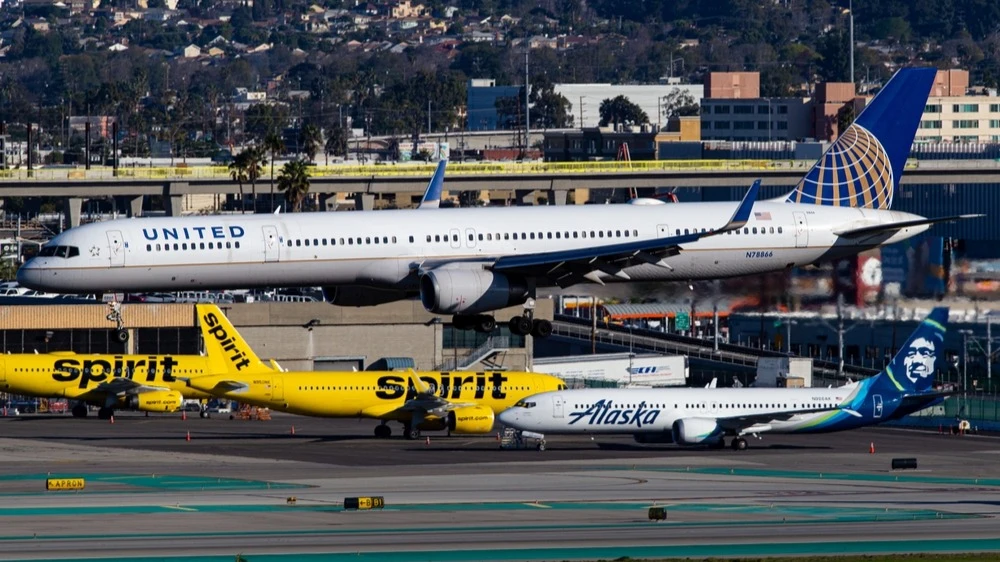
Air carriers massively reduce summer flights / Photo: Wenjie Zheng / Shutterstock
Airlines have canceled more than 75,000 flights for this summer, while cutting more than 9.3 million passenger seats from their schedules, Business Insider reported, citing a study by aviation analytics firm Cirium. The largest reductions were on U.S. carriers.
Details
Cirium compared the summer (June through September) schedules of airlines around the world as of April 24 and Ma. 4 and found that carriers removed more than 9.3 million passenger seats or more than 75,000 flights in those 10 days.
Moreover, American airlines took the first four places in terms of the number of flights cut in recent days. About 70% of all reduced seats, or 33,000 flights, fell to the American airline Spirit Airlines, which ceased operations on Ma 2.
American United Airlines has reduced its summer schedule by more than 21,000 flights over the past 10 days - the second largest reduction in the schedule among all airlines. In third place by this indicator - American Delta Air Lines, which removed from the summer plans about 7.3 thousand flights, followed by American Airlines - it has about 6.4 thousand reduced flights. German airline giant Lufthansa is also among the five airlines that have reduced their schedules more than others in the last days for the summer. Over the past 10 days, it has removed 5,300 flights from its schedules. Cirium reported on Ma. 4 that Lufthansa will cut more than 20,000 flights between Ma. and October 2026.
What else is going on in the airline industry
Not all airlines are cutting their schedules. By contrast, US low-cost carrier Frontier Airlines added more than 14,600 flights to its summer schedule after Spirit Airlines was discontinued, according to Cirium. On Ma 2, the company announced the launch of nine new routes and daily flights to 18 destinations previously served by its low-cost rival.
What's behind it
Airlines are facing a surge in costs after war in the Middle East led to a twofold jump in jet fuel prices. The cost of jet fuel topped $200 a barrel in April, but has since fallen to around $180 a barrel, according to data from the International Air Transport Association (IATA).
Typically, fuel costs are the second largest cost item for airlines after labor, Business Insider notes. Thus, when announcing the curtailment of operations in May, Spirit Airlines cited, among other things, "recent significant increases in oil prices and other business pressures." United Airlines also reported a $340 million increase in fuel costs in the first quarter.
Against this backdrop, the gap in financial stability between the largest carriers and smaller airlines is widening, The Wall Street Journal reported on Ma. 2. Large players are trying to compensate for rising costs by raising ticket prices and redistributing flights to other destinations, while smaller airlines are increasingly facing financial difficulties and approaching the risk of bankruptcy.
According to the WSJ as of early Ma, airlines have already raised fares five times since the war in the Middle East began, and in late Ma, the industry embarked on another - sixth - round of fare increases.
U.S. carriers are more exposed to price shocks because, unlike most European airlines, they don't use financial derivatives to hedge fuel costs, Business Insider explains.
Cirium previously reported that global airlines have canceled more than 12,000 flights for Ma and cut 2 million seats from their schedules for the coming month amid growing concerns about jet fuel shortages.
This article was AI-translated and verified by a human editor