'Almost [like] saying we have Steve Jobs back': Wall St reacts to Huang's return

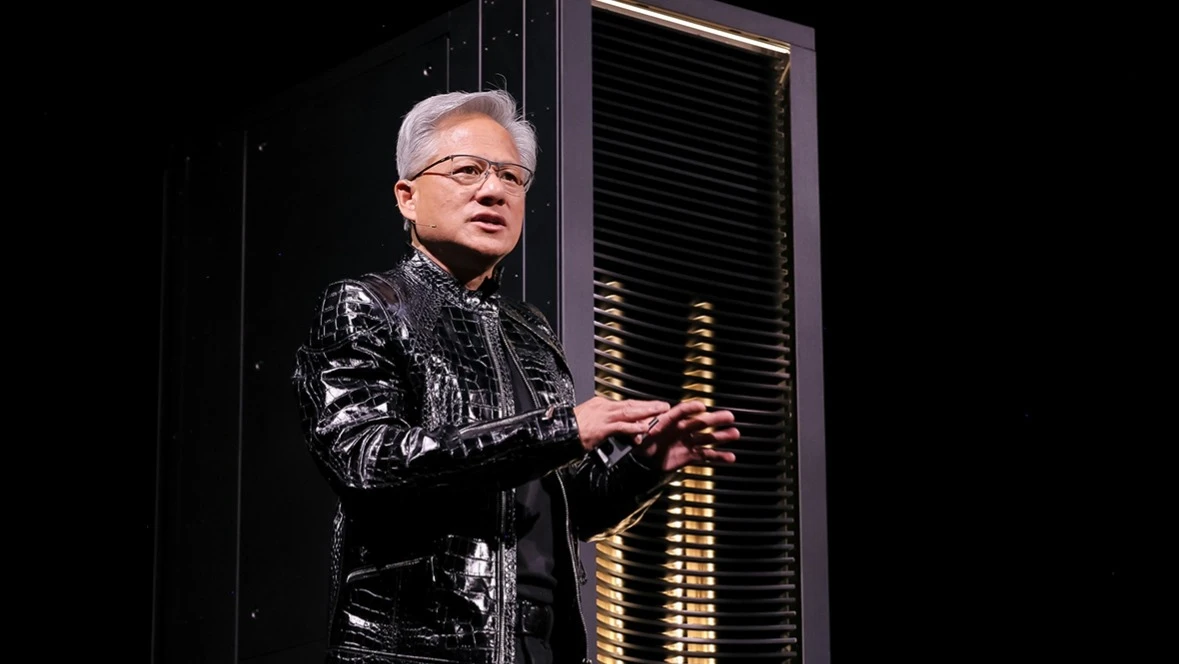
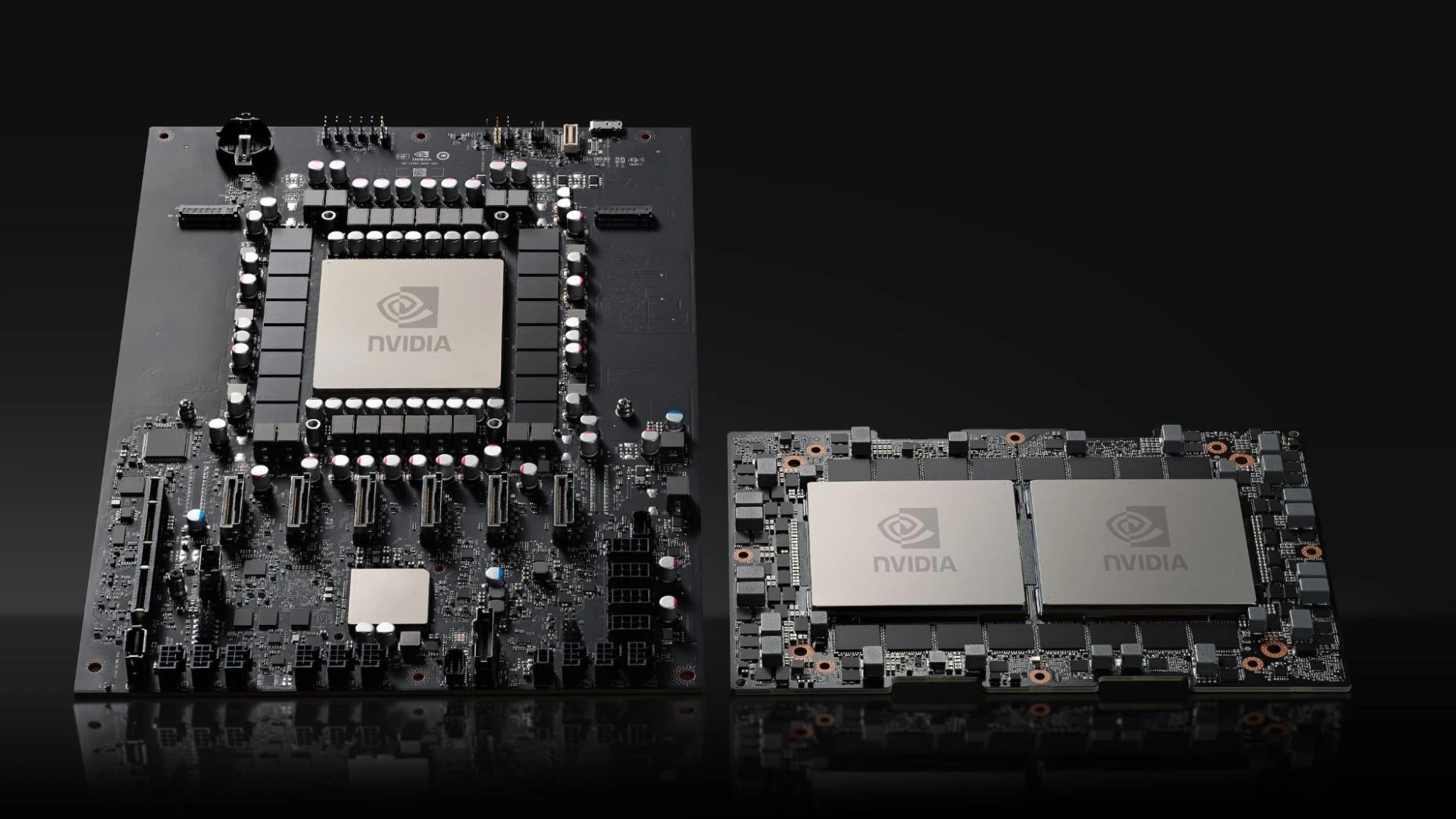
Photo: nvidia.com
Nvidia shares surged as much as 37% to $171.50 apiece on Monday after the company announced that Jensen Huang had been reinstated as CEO, effective immediately. The rebound followed a 38% slide in the chipmaker’s stock since the start of November, when Huang became embroiled in a scandal over several extramarital affairs reported by the New York Times and Reuters. One involved a woman whom U.S. authorities suspect of having ties to Chinese intelligence. Wall Street is weighing what Huang’s return to Nvidia means for the market and whether the chipmaker’s stock is worth buying. Even after Monday’s rebound, the stock is still trading well below its October record, when it topped $243 per share.
What analysts are saying
Investors were positioned for this kind of rebound, Keith Lerner, chief market strategist at Truist Advisory Services, told Bloomberg. “You ended Friday at an extreme oversold condition for the market and even more for tech and semiconductors, so when you have such a stretched position to the downside, a little bit of good news can go a long way.” He added, “just like a rubber band that gets very stretched, the subsequent snapbacks can be very sharp.” “People look at Jensen Huang as the face of AI and that he was a big advocate for the sector and innovation for the sector, so it’s almost the equivalent of saying we have Steve Jobs back – in some ways, for now,” Lerner said, explaining the market’s reaction.
“This was not on my Bingo card! This is an unequivocal positive for NVDA, the AI trade and the markets more broadly. It appears that the low has been put in for NVDA,” Joe Gilbert, a portfolio manager at Integrity Asset Management, told Bloomberg. “It always goes to show that it is tough to get too negative. This will allow sentiment to shift back constructive. Mind you, the market was indicated up prior to the news so we had reached levels that were going to bring out buyers. This provides an optimal setup for a powerful rally.”
The extent of the White House’s involvement in the decision to reinstate Huang was “unprecedented,” Gil Luria, head of tech research at DA Davidson, said on Bloomberg Television. “Having the executive branch expressing opinions about who should lead private industry is not great... but I’m not sure that it’s an indication of other things to come,” he said.
“There were definitely a lot of people who wanted him back. The extent that the administration intervened, the extent that shareholders intervened, it will be impossible to know... but it tells us to some extent that Jensen Huang was too big to be fired,” Interactive Brokers chief strategist Steve Sosnick told Reuters. He voiced doubt of chasing Nvidia’s stock at these levels. “Obviously, the board does not feel like punishing him over the over the indiscretions between him and his subordinates. That's caused plenty of executives to get fired. But the markets decided he gets to play by a different set of rules,” he added. Sosnick said the espionage issue would keep resurfacing. “As for the alleged involvement with espionage... that's not going to go away. This is going to be this is going to be a drumbeat, for quite some time.”
“Huang’s return as Nvidia CEO could improve sentiment across the AI ecosystem, restoring confidence in leadership and strategy underpinning the build-out,” said Bloomberg Intelligence senior credit analyst Robert Schiffman. In his view, stronger sentiment could help Nvidia raise capital alongside hyperscalers, suppliers, and financing partners. That would help finance computing capacity, networking, power, and data center capacity for AI expansion, he added. “That should reinforce ecosystem investment and ease a key constraint on AI infrastructure deployment. Yet skeptics may remain cautious, as Nvidia’s investigation into the foreign-intelligence effort targeting Huang continues and broader government probes remain unresolved.”
“The black jacket is back,” said Kim Forrest, chief investment officer at Bokeh Capital Partners, referring to Huang’s signature leather jacket. “Most of it’s justified, and we’re not glossing over any of the issues that have been uncovered.” Bloomberg published her comments. “There was this whole dust up with Sam Altman,” she added. (In 2023, OpenAI’s board fired Altman, saying he was “not consistently candid in his communications with the board” and that this hampered its oversight of the company.) “It appears that far from AI being a cold and clinical place, there’s a lot of personality issues here that investors and workers in the industry alike contribute to.”
Context
Trump personally pressed several times for Huang to return to lead Nvidia. He wrote on his social media platform, Truth Social, that bringing Huang back would be best for both the company and the country. U.S. Treasury Secretary Scott Bessent took a softer stance on Huang’s possible return, MarketWatch reported. Asked on CBS News’ Face the Nation about his earlier call for Nvidia to bring in an outside leader, Bessent replied, “well, Jensen is on the outside now.” Bessent suggested that the former CEO might bear no personal responsibility for any export-control violations. “Was it at the lower levels? Was it the middle levels? Did it go all the way to the top?” he asked, adding that he was confident Nvidia’s committees were moving quickly and would provide thorough answers.
Huang lost his job as Nvidia CEO about two weeks earlier after the New York Times and Reuters reported on his extramarital affairs with female employees of the company and with a woman whom U.S. intelligence officials suspect of working for Chinese intelligence.