Anthropic fell 9%; the "fear index" signaled market jitters for the first time since March
The Nasdaq Composite opened down more than 1%; the VIX rose above 30 points for the first time since March

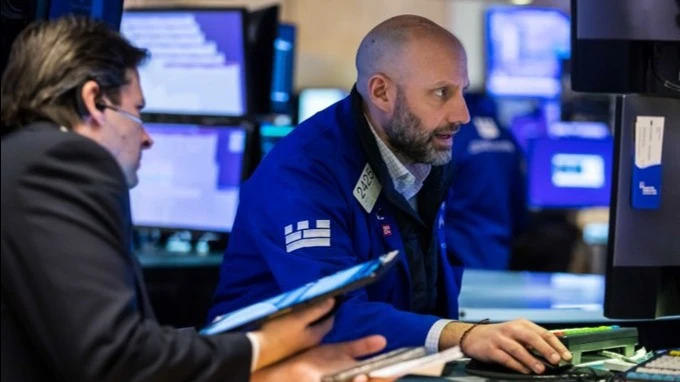
Photo: X / NYSE
The S&P 500 and the Nasdaq Composite opened in the red on November 20: “Investors are reallocating funds as the hype surrounding artificial intelligence fades,” commented Laurent Choderge, a member of the investment committee at BDL Capital Management (as quoted by Bloomberg). “Isolated rebounds are certainly possible, but I’m afraid we’ve entered a downward cycle accompanied by persistent inflation and rising interest rates,” he added.
Against this backdrop, the broad U.S. stock index, the S&P 500, fell 0.41% in the first few minutes of trading on Friday, marking its seventh consecutive day of declines and heading toward its longest losing streak since February 2020, according to MarketWatch. The tech-heavy Nasdaq Composite is also down 1.25% on November 20. The Dow Jones Industrial Average, meanwhile, is the only one of the three major U.S. stock indices in positive territory, gaining a modest 0.13%.
The VIX volatility index, also known as the “Wall Street fear index,” jumped 6% at one point—rising above 30 points for the first time since March. Such readings indicate “a period of heightened uncertainty and fear in the market,” Investing noted. Historically, periods when the VIX exceeded 30 have often been accompanied by “a market correction or decline,” the website noted.
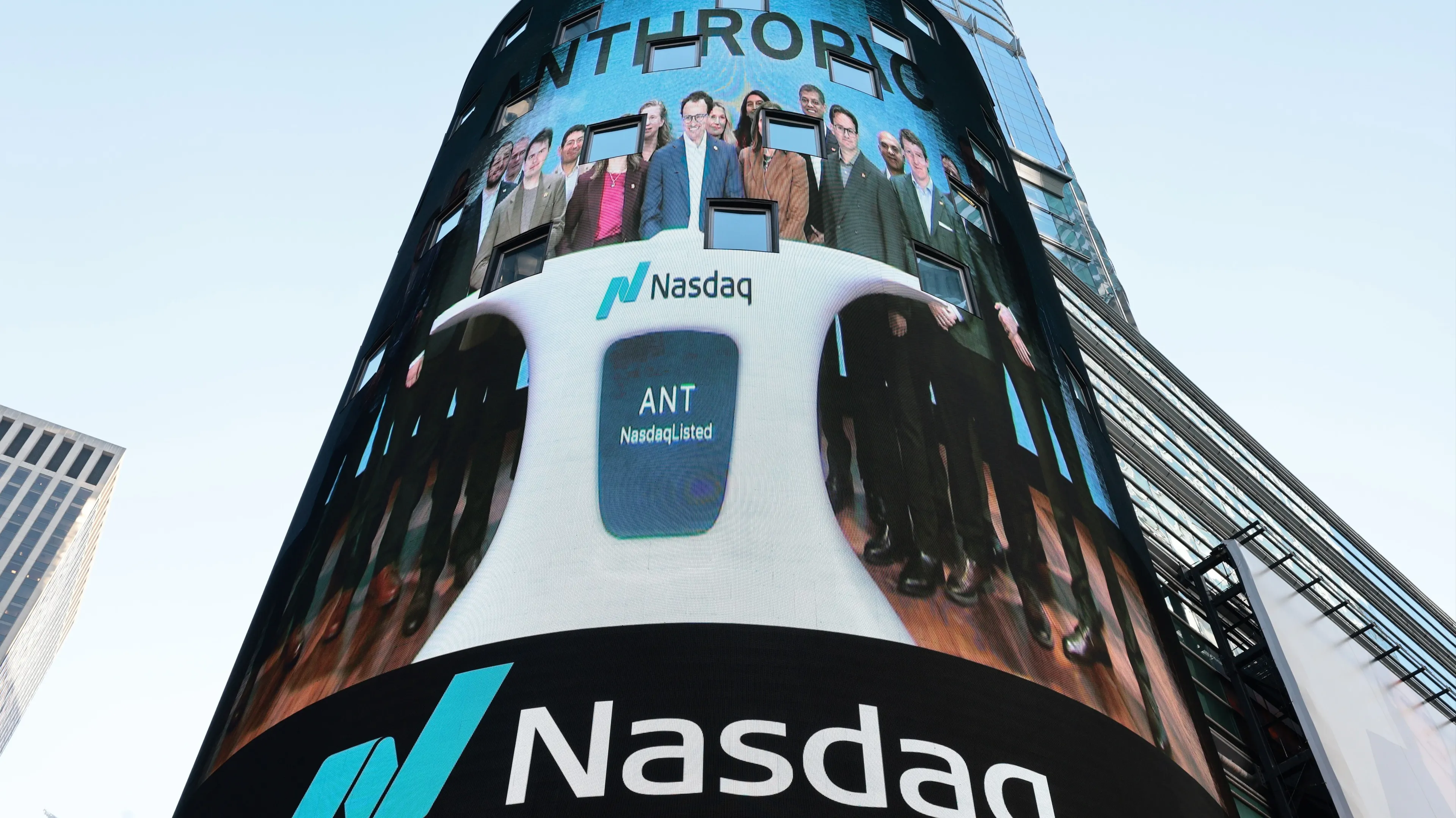
Anthropic’s stock opened more than 9% lower on the second trading day following its IPO—at $87.80 per share—though it is still trading above its offering price ($83). Now that the IPO is complete, investor optimism is giving way to growing doubts about the sustainability of the artificial intelligence sector, Bloomberg reports. The weakness in tech stocks has spread to the broader market, MarketWatch notes: investors’ concerns about the return on big tech companies’ massive AI-related capital investments have escalated into fears of a broader economic downturn.
What People Are Saying in the Market
“Investors have gone on strike—both against Anthropic and against AI and tech stocks in general,” says Emmanuel Valavanis of Forte Securities. “Many clients appear to have been left without [Anthropic] shares during the offering. They missed out on the party, and they have no intention of paying for the hangover,” he suggested. “Since they have no holdings in these stocks and don’t need to worry about lagging behind the market, investors can sit on the sidelines and wait for a fair price to emerge, rather than taking a risk and losing out.”
Popular short seller Michael Burry, known for the movie “The Big Short,” appears to have compared current market conditions to the Wall Street crash of 1929 and the dot-com crash of 2000, as noted by The Wall Street Journal: “One of the similarities between the current situation and those of 1929 and 2000 is that there is no immediate cause for the decline in corporate earnings,” he wrote.
A few hours earlier, Burry—who has been saying for several months that the rise in AI company stocks, in his view, — a bubble that will burst sooner or later — noted that he had “tried to warn” his subscribers about companies such as CoreWeave and Nvidia, market darlings in the AI sector that have recently seen their stock prices fall sharply. “CoreWeave, Nebius, Nvidia, chipmakers—I tried to warn you all. I wasn’t calling for shorting, but I gave you all the information you needed to sell,” the investor emphasized.
In Friday's trading, Nvidia shares are down more than 4%, while non-cloud companies such as CoreWeave and Nebius are down 8% and 7.5%, respectively.
This article was AI-translated and verified by a human editor