Apple shares hit a new record high despite the Nasdaq's decline. Is it no longer considered a tech giant?

Photo: TY Lim / Shutterstock.com
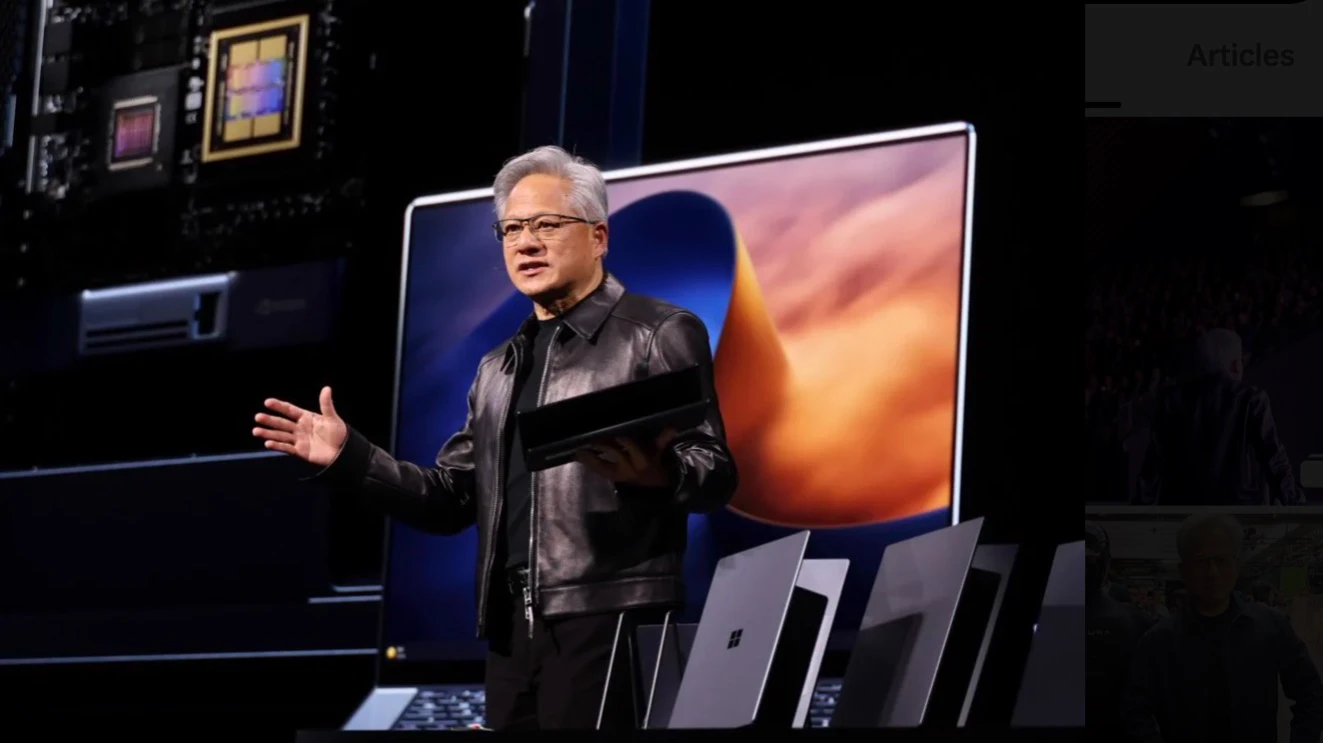
Apple shares rose nearly 1% during trading on November 13, hitting an intraday record—not for the first time this week. Amid the shocking resignation of Nvidia’s CEO—which exacerbated investors’ already strong concerns about tech stocks—the iPhone maker benefited from a shift in investor funds away from stocks tied to the AI boom.
Over the course of five trading sessions, Apple's market value rose by 4.6% and exceeded $5.2 trillion, solidifying the company's position as the world's largest by market capitalization.
Bernstein Expects Further Growth
Apple is attracting investors who are seeking a safe haven from artificial intelligence-related stocks, which have shown more rapid growth but also represent a riskier investment, Bernstein explains.
"Apple shares have a weak correlation with the stocks of other tech companies and are now trading at levels typical of high-quality consumer sector stocks," wrote analysts at the brokerage firm led by Mark Newman.
Bernstein reaffirmed its "outperform" rating on Apple shares and its price target of $380, which implies an increase of about 7% from Thursday's closing price.
Apple’s stock showed steady growth even after John Turnus succeeded Tim Cook as CEO, and the company faced rising memory costs and declining margins. Unlike other members of the “Magnificent Seven,” the iPhone maker has earned the status of a safe-haven asset due to its weak correlation with technology companies that spend hundreds of billions of dollars on capital expenditures. Apple has managed to stay out of the costly AI arms race; its capital expenditures account for less than 2% of revenue.
As a result of the rally, stocks in the AI sector benefited from the sell-off, and their price-to-earnings ratios reached an all-time high.
Why Is Apple Compared to Costco?
“The market has long distinguished Apple from other tech megacorporations and come to view it as a consumer-sector company capable of steadily increasing its business value,” Newman noted. Given its revenue growth rate, Apple is now valued on par with consumer sector companies, and given its profit and free cash flow growth, it is valued at a slight premium.
Apple shares are trading at a price 37 times its projected earnings per share for 2027. This is roughly twice the projected price-to-earnings ratio for the market as a whole. According to Bernstein, among companies with a market capitalization of more than $200 billion and expected earnings per share growth of less than 15%, only four have a projected P/E ratio above 30: Costco at 46, Walmart—39, Apple—37, and General Electric—36.
Apple's revenue is expected to grow by about 9% per year through 2029—faster than that of Costco and Walmart, which are projected to grow by 7% and 5%, respectively.
Apple also stands out for its ability to generate free cash flow and return value to shareholders. Analysts estimate that the free cash flow yield will be 3.1%, and share buybacks will amount to 3% of market capitalization in 2027 and 3.2% in 2028. Apple is expected to allocate virtually all of its free cash flow to shareholder returns through buybacks and dividends.
According to Newman, Apple exhibits many characteristics of companies in the consumer staples sector: predictable demand for device replacements, the ability to dictate pricing terms to suppliers and customers, a relatively low need for investment, and stable returns to shareholders. Taken together, these traits make its profits more predictable, the analyst noted.
A Bernstein survey found that 90% of iPhone users remained loyal to the brand when replacing their previous device. By comparison, the renewal rate for Costco memberships worldwide is also around 90%, and the market values the company at roughly 40 times its annual earnings, analysts noted.
“If we classify Apple as part of the consumer sector, its projected revenue growth would currently make it the fastest-growing company in that sector. At the same time, when adjusted for revenue growth rates, its stock is valued on par with other companies in the sector. Given its earnings and free cash flow growth, Apple is trading at a slight premium—alongside Ferrari and the largest retailers,” Newman said.
This article was AI-translated and verified by a human editor