Apple's top-line growth slows, China disappoints. How are iPhone sales holding up?

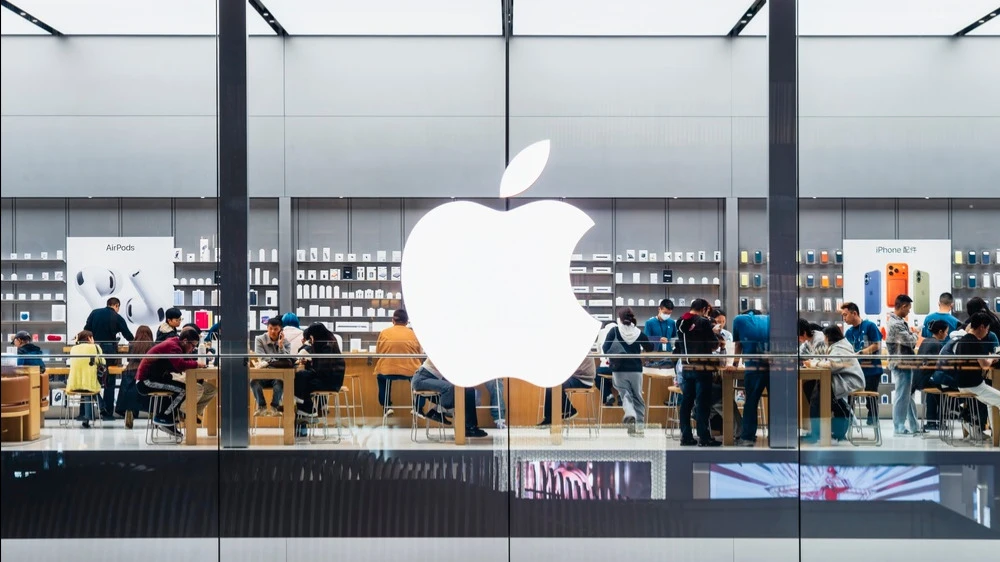
Apple’s latest quarterly results and outlook disappointed investors / Photo: VTT Studio / Shutterstock.com
Apple’s revenue beat Wall Street expectations in the fourth quarter of its fiscal 2026, though growth slowed versus the previous quarter. Sales in China fell short of forecasts. Demand for iPhones remained strong, however, with global revenue from the smartphones rising around 20%.
Details
Apple’s revenue in the last quarter, ended September 26, rose 12% year over year to $114.48 billion. Analysts polled by LSEG had expected $113.39 billion, CNBC notes. Apple’s management had guided for growth of 9-11%. Earnings per share rose 14% to $2.10.
Revenue growth slowed from 16% in the previous quarter. Apple broke with tradition by leaving its base iPhone model unchanged in September, while supply disruptions limited the number of devices available for sale, Bloomberg explains. Growth in revenue from digital services and subscriptions, including the App Store and iCloud, is also slowing, while Apple continues to trail its competitors in AI, Bloomberg writes.
Still, iPhone sales beat Wall Street expectations, rising 17.6% to $57.58 billion versus the $56.54 billion forecast. The results include only eight days of sales of the new iPhone 18 Pro and iPhone 18 Pro Max, while the foldable iPhone Duo reached stores after the quarter ended. Nevertheless, the last fiscal year saw a record number of users upgrade to new iPhone models, both globally and in individual markets, including Japan, China, and the Americas, CFO Kevan Parekh said on the earnings call.
Results in Greater China fell short of forecasts: Apple’s total sales in the region rose around 20% to $17.5 billion but missed Wall Street expectations. iPad sales also disappointed, falling 10.4%, Bloomberg notes.
Disappointing margin guidance
Apple’s management also expects revenue growth to slow further to 7-10% year over year in the current quarter, which includes the holiday shopping season. Even the low end of that range exceeds the Wall Street consensus, Bloomberg notes, though analysts’ expectations varied, with the most bullish forecasting growth of more than 10%. Parekh said on the earnings call that the guidance reflected supply constraints. Growth in revenue from digital services and subscriptions, including the App Store and iCloud, is also expected to slow to 8-9% in the current quarter from 9.8% in the reporting quarter. However, the management guided for a gross margin of 45-46%, below the 46.3% average analyst estimate, CNBC reports.
Apple stock initially fluctuated between a 0.3% decline and a slight gain in after-hours trading on Monday following the earnings release. But the shares turned lower after the guidance was disclosed on the earnings call, falling around 3%. They had closed the regular session down 1.8% at $338.30 apiece.
Unprecedented rise in memory prices
Apple’s weak gross margin outlook for the current quarter reflects rising memory chip costs and expenses related to the new Siri AI digital assistant, Bloomberg reports. CEO John Ternus described the rise in memory costs as unprecedented. Ternus took the helm on September 1, making this his first earnings report and conference call as CEO.
Ternus said Apple’s memory costs would rise more sharply in the current quarter than in the previous one, though price increases introduced in late June would offset the impact. Memory costs will continue to rise into the new year, he added.
Parekh confirmed that rising memory costs would remain a challenge in the current quarter and were already factored into the guidance. Apple’s purchase commitments have increased by $33 billion over the last several months, COO Sabih Khan told investors. He added that Apple expects chip shortages to constrain supplies of Mac computers and iPads. The production ramp for the new iPhone Duo is “going well,” according to the management, but “At this time,” Khan said, “it is really hard to predict when supply and demand will be in balance.”
What Wall Street says
Apple is the world’s most valuable company, having taken the title from Nvidia in October as the chipmaker was hit by a semiconductor selloff. Apple stock has gained around 25% since the start of 2026, with some investors viewing it as a safe haven in times of market turmoil.
“Buy” is the most common recommendation on Apple stock, with 27 “buy” and “overweight” ratings, according to MarketWatch data. Another 14 analysts have “hold” ratings, versus six “sell” or “underweight” calls. The average target price of $334.65 per share is slightly below Monday’s closing price.